

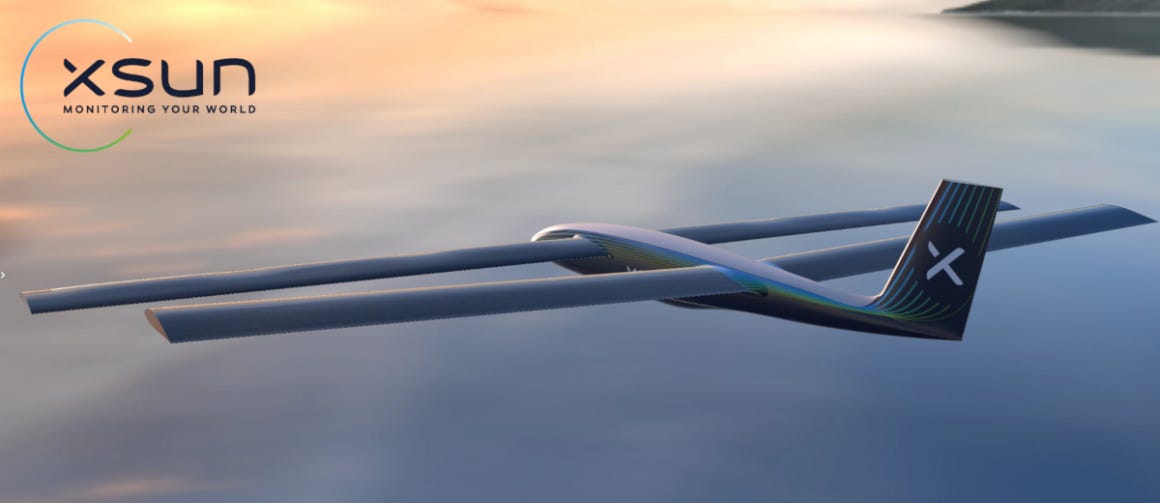
A silent revolution is taking flight in European skies. In the Atlantic coastal town of Guérande, France, a startup named XSun is reinventing unmanned aviation with its solar-powered SolarXOne drone. This ultra-light, autonomous aircraft soaks up the sun’s energy by day and carries on through the night – a concept reminiscent of a “pseudo-satellite” hovering in the atmosphere. Born in 2016 from a vision to adapt space technology to lower altitudes, XSun has drawn early attention for achieving 12-hour flights covering 600 km without a drop of fuel. European special forces, civil safety agencies, and environmental scientists are already eyeing this innovation as a way to keep persistent watch from above without relying on traditional satellites or imported drones. The promise is clear: a home-grown European drone that can patrol borders, monitor wildfires, or survey remote seas continuously, all while reducing carbon emissions. But XSun’s journey also raises pressing questions. Can this experimental solar drone mature into a strategic asset that lessens Europe’s dependence on non-European suppliers? Will it integrate smoothly into NATO’s multi-domain defense networks? The following analysis delves into XSun’s technology and strategy to assess its role in strengthening European autonomy and allied deterrence capabilities.