


For professionals engaged in the defence industry and in the financial markets linked to it, understanding the trajectory of military investment after a potential Putin–Trump agreement is of fundamental importance. Such a political development could reshape security perceptions across Europe, the Indo-Pacific, and beyond, potentially altering procurement priorities, budgetary commitments, and industrial demand signals. The question is not only whether the geopolitical environment would become less tense, but whether the structural drivers that have been pushing defence spending upwards would lose momentum or remain firmly in place. Defence Finance Monitor examines the underlying forces that sustain military investment, even in periods of apparent diplomatic rapprochement, and assesses the strategic dynamics that could continue to shape defence markets regardless of headline political agreements.
Black Semiconductor (Germany) – Strategic-Technological Analysis
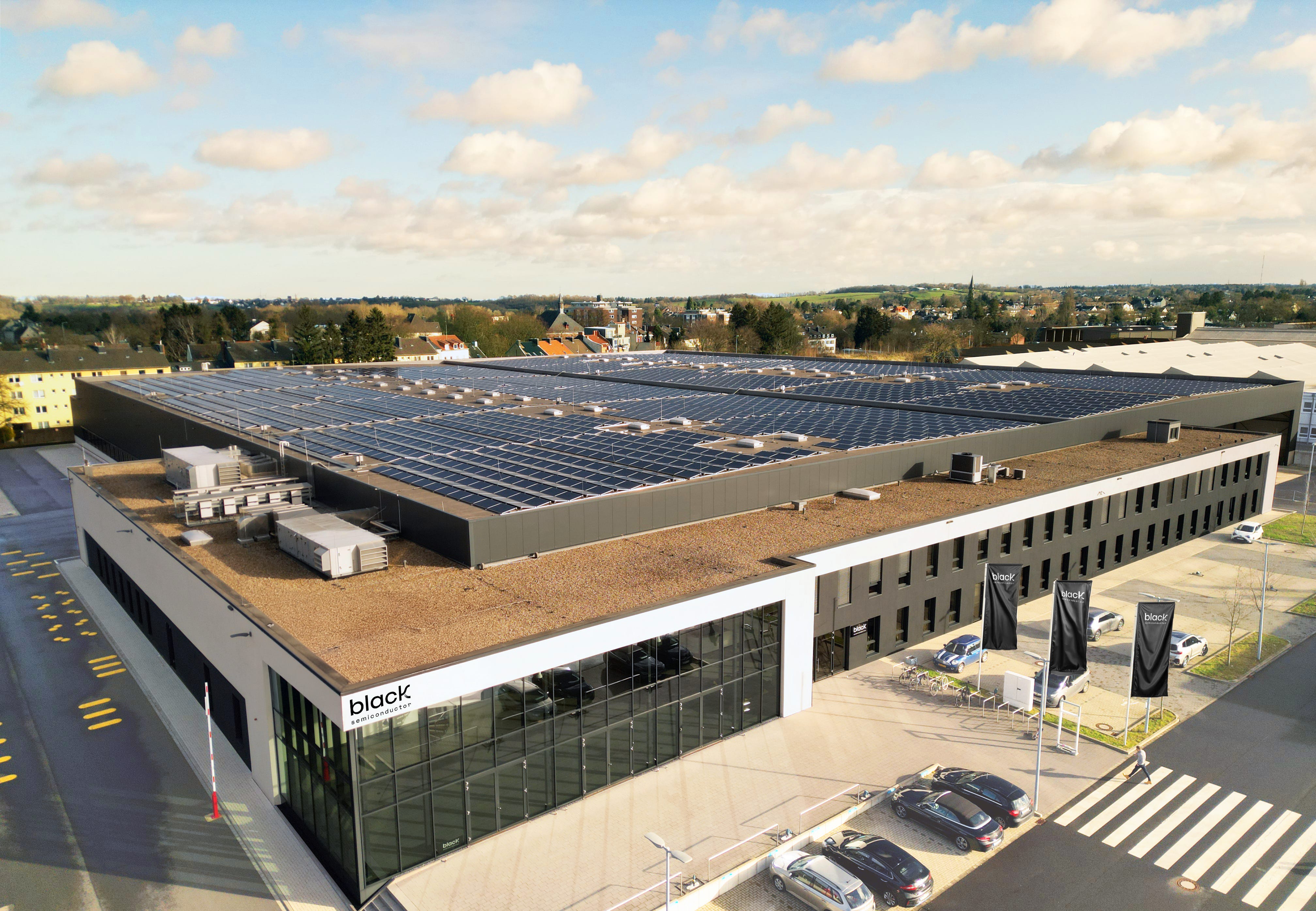
In the heart of Europe’s microelectronics resurgence, Black Semiconductor has emerged as a bold innovator marrying photonics and graphene to redefine chip technology. Founded in Germany, this deep-tech venture is developing ultra-fast photonic microchips that integrate optical and electronic components on a single graphene-enabled wafer. The company’s mission is not just technological but strategic: to revolutionize European semiconductor capability and curb reliance on foreign chip suppliers. Black Semiconductor’s approach – using a one-atom-thick layer of carbon (graphene) to convert electrical signals into light on-chip – promises to shatter current data bottlenecks. By drastically boosting inter-chip communication speeds while slashing energy consumption, this startup has attracted significant attention and investment. Backed by one of the largest semiconductor funding rounds in European history, it stands at the nexus of innovation and geopolitical importance. The following analysis delves into how Black Semiconductor aligns with Europe’s strategic autonomy goals and defense technology priorities, offering a comprehensive look at its corporate identity, technological portfolio, and contribution to EU and NATO objectives.
Arquimea: Strategic-Technological Analysis
Arquimea is an independent Spanish technology group that has quietly become a pivotal player in Europe’s defense and aerospace sectors. Specializing in niche high-tech fields—from radiation-hardened microelectronics to pyrotechnic actuators and advanced robotics—Arquimea’s expertise spans multiple domains. This company is far from a household name, yet its components power critical European satellites, missiles, and unmanned systems. In an era when Europe is striving for greater strategic autonomy, Arquimea has positioned itself at the intersection of innovation and sovereignty. Its space-qualified microchips and precision actuators replace imports that European programs once sourced from abroad, underscoring the continent’s drive to reduce reliance on non-allied suppliers. Arquimea’s story is one of a nimble, high-tech entrant integrating into major defense projects and quietly strengthening Europe’s technological backbone. For decision-makers and industry observers, understanding Arquimea offers a glimpse into how Europe’s defense industrial base is evolving to meet new strategic realities.
Destinus – Hypersonic Hydrogen Flight
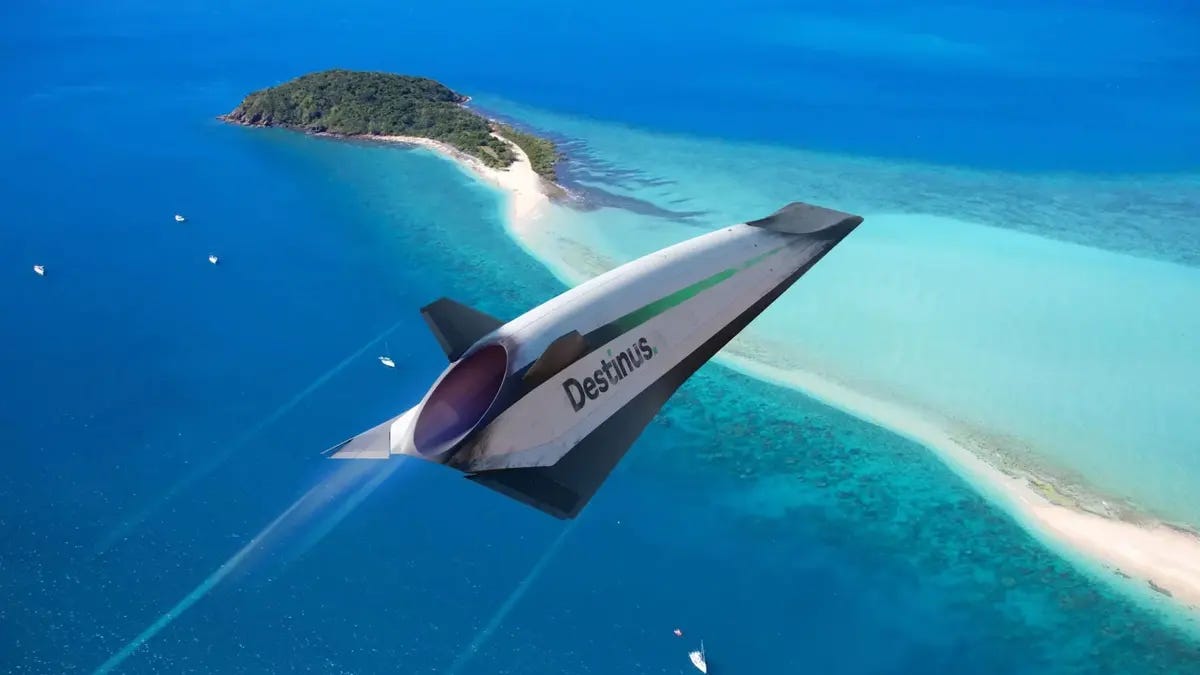
Twenty years after Concorde’s final flight ushered out the first era of supersonic travel, a new European contender is reviving the dream of high-speed aviation. Destinus, a Swiss-founded aerospace start-up, is developing unmanned “hyperplanes” powered by liquid hydrogen fuel – futuristic aircraft aiming to carry passengers from Europe to Australia in a matter of hours. The company’s ambitious vision includes a 400-seat hypersonic airliner capable of reaching any point on the globe within half a day. A direct flight from London to Sydney, for example, could take as little as four hours under Destinus’s 2040s timeline. By marrying rocket-like speeds with clean fuel, Destinus promises a leap in mobility: its planned Mach 5+ cruisers would fly five times faster than today’s jets while emitting only water vapor as exhaust. This bold approach taps into Europe’s twin aspirations of technological innovation and climate-conscious transportation, positioning hydrogen as the key to sustainable hypersonic flight.
CustomCells – Germany’s High-Performance Battery Innovator for Aviation & Defense
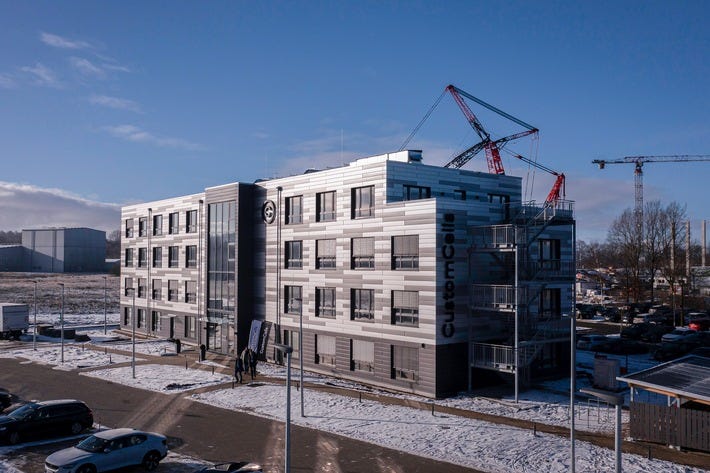
In a quiet facility on Germany’s “Energy Coast,” engineers at CustomCells are crafting lithium-ion batteries unlike any others in Europe. This independent German company specializes in tailor-made high-performance battery cells, the kind that have powered Porsche’s electric hypercars and are now slated to energize cutting-edge electric aircraft. CustomCells’ cells boast exceptional energy density and resilience to extreme temperatures – qualities prized not only in luxury sports vehicles but also in military drones and autonomous submarines. As Europe strives to wean itself off foreign battery imports, CustomCells has emerged as a homegrown champion at the nexus of innovation and industrial production. Founded as a spin-off of a renowned German research institute, the company embodies Europe’s push for technological sovereignty in energy storage. Its story – from supplying a revolutionary air-taxi startup to weathering industry upheavals – offers a glimpse into how Europe’s strategic autonomy ambitions are being powered, one battery cell at a time.