

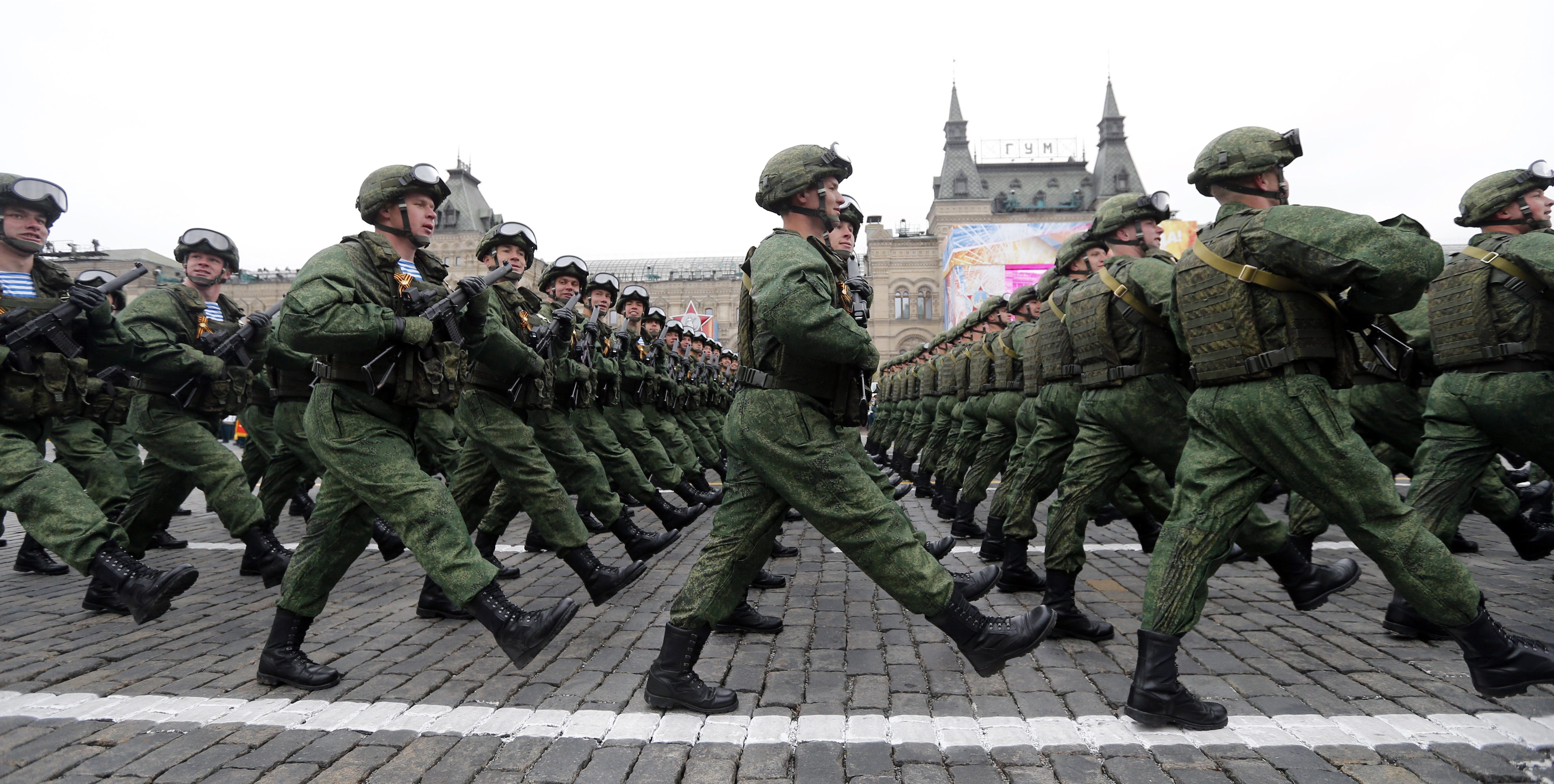
Russian risk should not be framed as a cyclical or episodic threat that rises and falls with leadership changes or discrete crises; it is anchored in structural drivers that are unlikely to dissipate quickly. The country’s strategic culture treats war and security as a continuum rather than an exception, linking military planning to deep perceptions of vulnerability shaped by geography, history, and long-run institutional practice. This lens privileges resilience, depth, and the management of time over rapid, decisive campaigns. The practical implication is that Moscow’s threat profile is not a spike but a plateau: it endures because the underlying variables—exposure on broad frontiers, recurring experiences of invasion, and the conviction that external coalitions will compress its strategic space—do not change fast. For Western policy and markets, this means the demand for credible deterrence is not a one-off procurement pulse but a sustained programmatic commitment. In other words, the persistence of the threat naturally maps onto the long duration of rearmament cycles, which in turn anchors the cash-flow visibility of the defence industrial base. Understanding this structural continuity is a precondition for assessing both geopolitical risk and the durability of defence investment theses.