

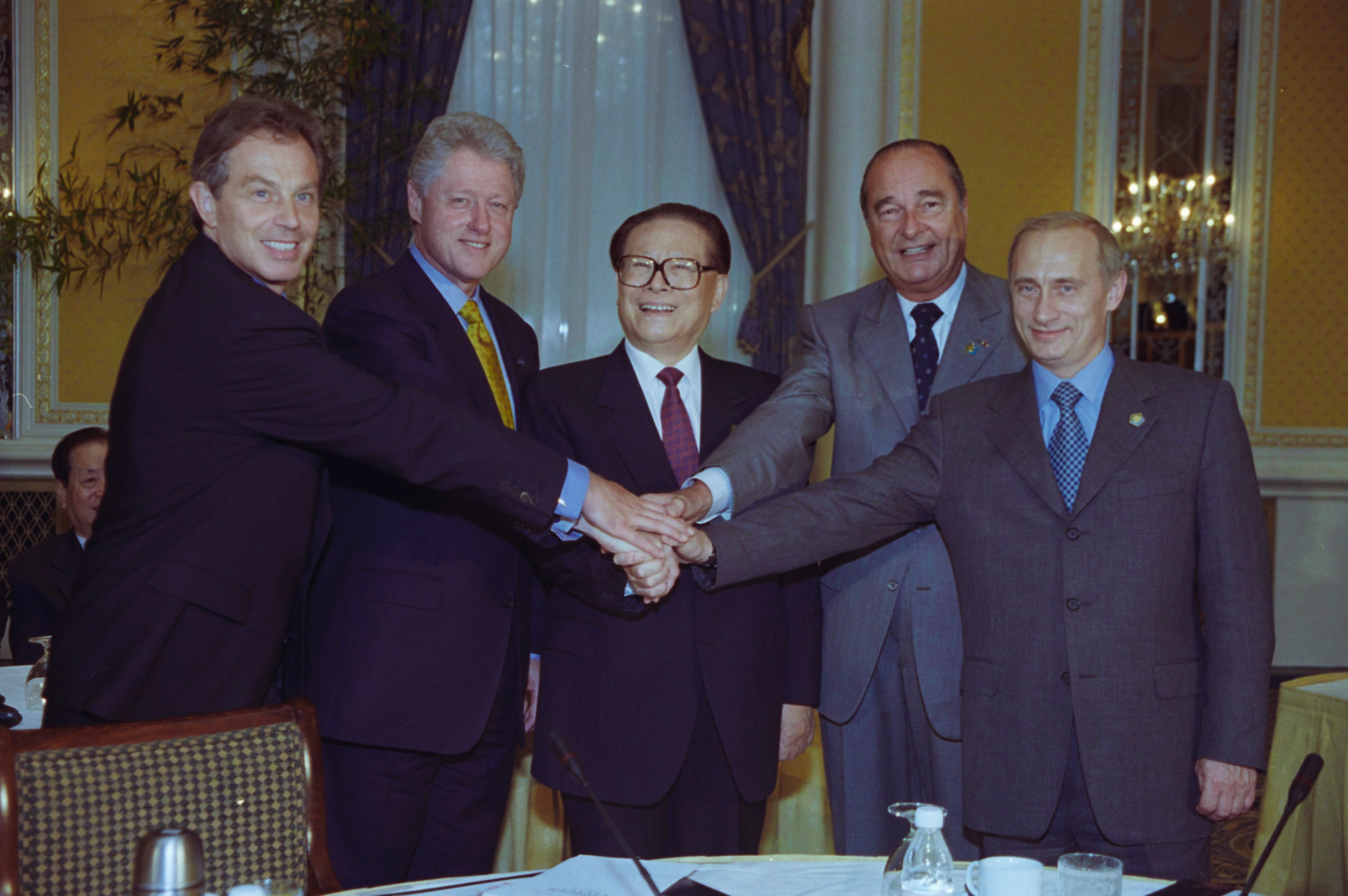
We are accustomed to thinking of globalisation as an economic phenomenon: the fall of barriers, the integration of markets, the swelling of trade, the wealth that followed. The reading is correct but partial, for it omits the question beneath it: why did the West want globalisation, and what did it expect it to produce beyond profit? Behind the opening of commerce lay not merely a calculation of efficiency but a design of a political nature — the conviction that trade could accomplish what arms had not, transforming authoritarian regimes from within, softening their character, and integrating them peacefully into an order of rules and values of Western provenance. Globalisation was, in this vision, an economic instrument in the service of a political end: the conversion of adversaries into partners. The question this analysis poses is whether that design worked — and, if it did not, what precisely failed, given that globalisation indisputably produced both integration and wealth. The answer, as we shall see, requires distinguishing what the instrument delivered from what it promised, and measuring the distance between the two. That distance is the subject of what follows: not a verdict on trade, but an inquiry into a bet the West placed on the relationship between prosperity and freedom.