

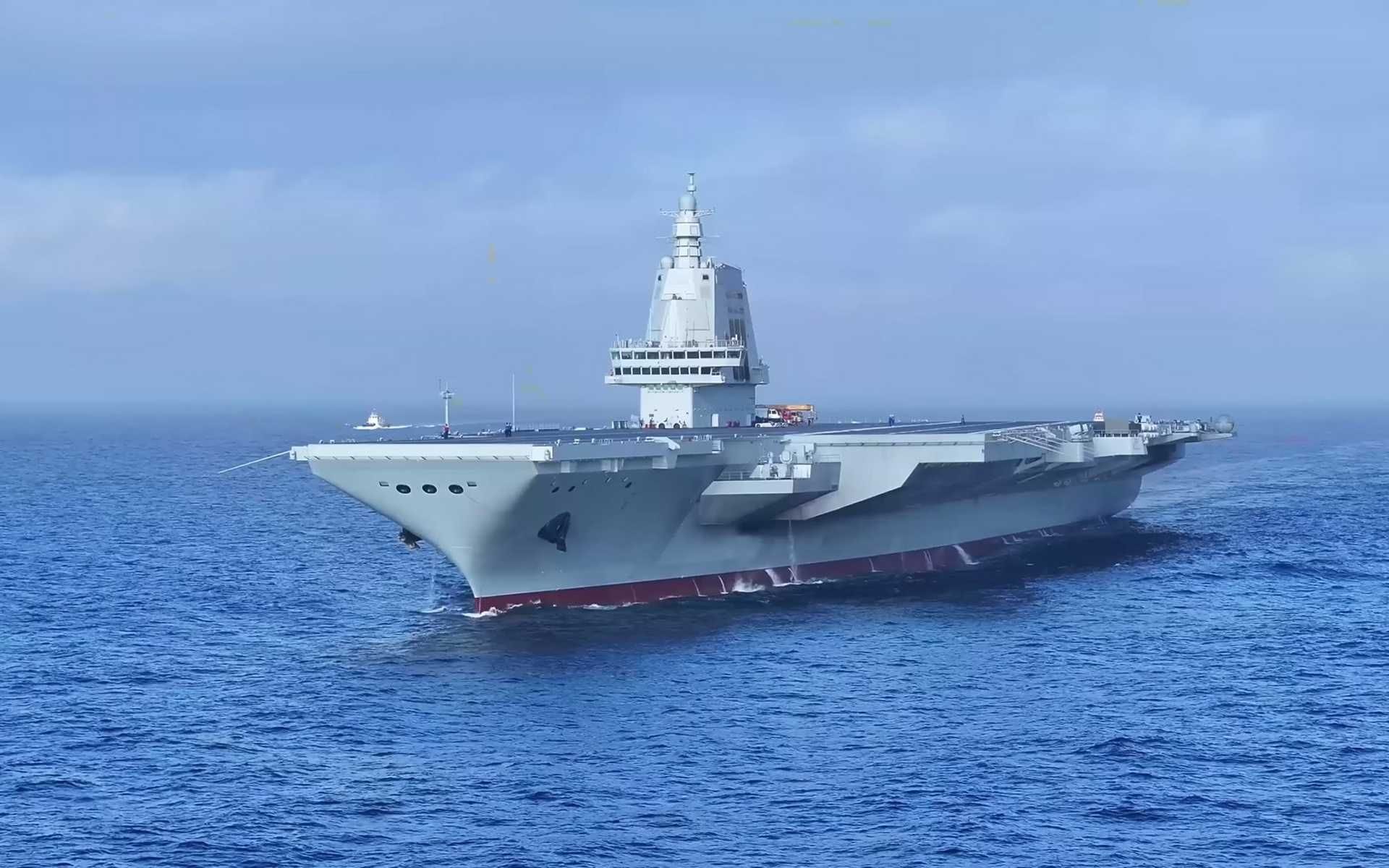
The naval rivalry between the United States and China has become one of the defining dynamics of contemporary international politics, shaping not only the balance of power in the Indo-Pacific but also the structure of the global order. Within just a few decades, China has transformed from a coastal defense force designed to secure its immediate littoral into a navy approaching the profile of a blue water navy, capable of sustained operations across distant seas. This transformation is not simply technical but deeply political, reflecting Beijing’s ambition to guarantee the safety of its maritime trade routes, protect vital strategic interests, and present itself as a credible alternative to American maritime primacy. For Washington, this naval rise is perceived as a direct challenge to the principle of freedom of navigation and to the notion of the seas as a global commons maintained under U.S. leadership since the end of the Second World War. The resulting contest is not confined to military competition but extends to rival visions of power and order.