

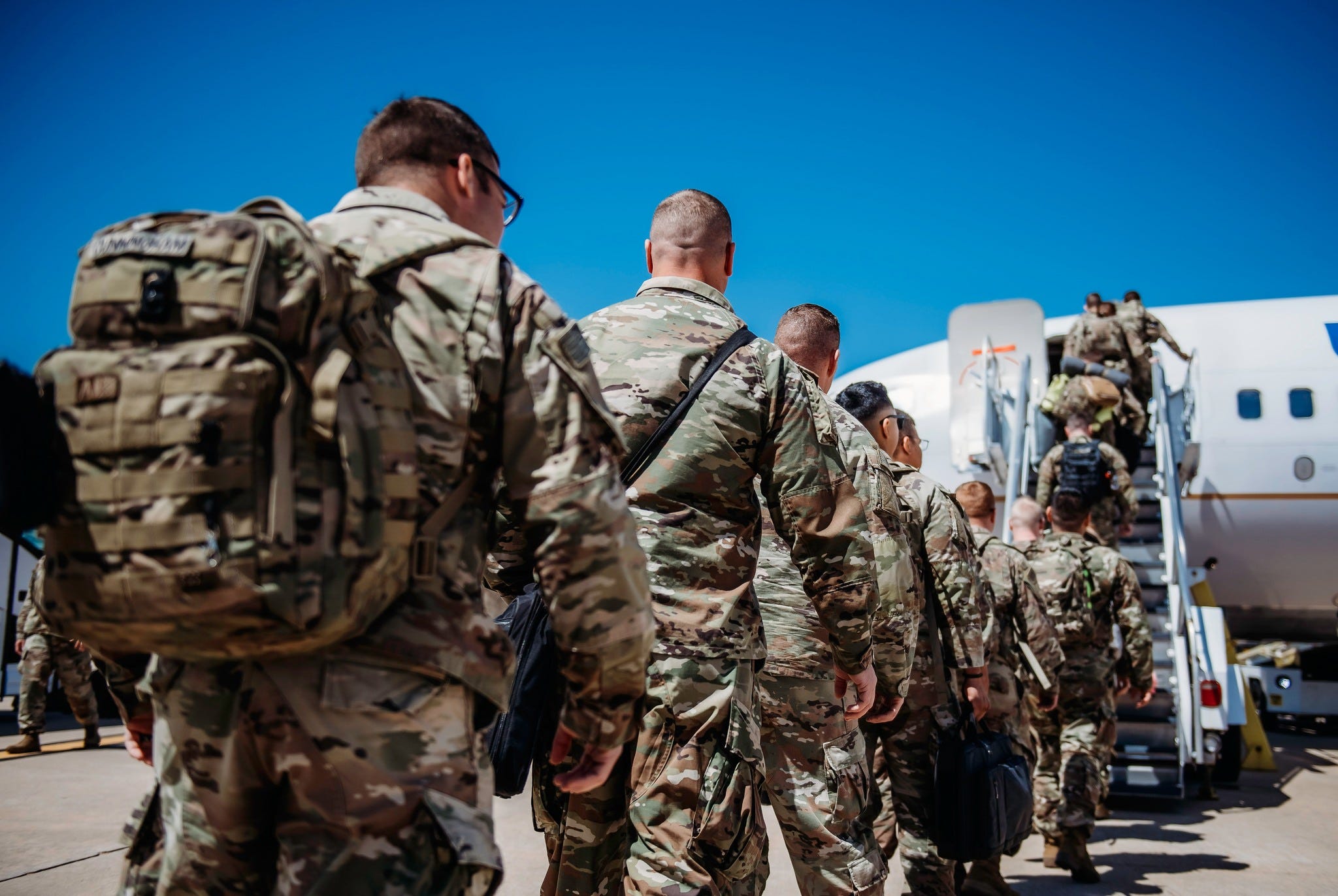
The decision by the United States to end the rotation of the 2nd Infantry Brigade Combat Team of the 101st Airborne Division marks a deliberate recalibration of the American military footprint on NATO’s Eastern Flank. The brigade, deployed to Romania after Russia’s full-scale invasion of Ukraine in 2022, is returning to Fort Campbell, Kentucky, without replacement. Washington has framed the move as part of a broader “force posture realignment,” intended to balance global priorities rather than signaling a retreat from Europe. The Romanian Ministry of Defense confirmed that around one thousand U.S. troops will remain stationed in the country, maintaining operations at the Mihail Kogălniceanu Air Base, Deveselu, and Câmpia Turzii. Nevertheless, the redeployment has revived debate over the balance of responsibility between the United States and Europe in sustaining deterrence on the continent’s most exposed frontier, and over the capacity of European allies to fill any resulting operational gaps with their own resources.