

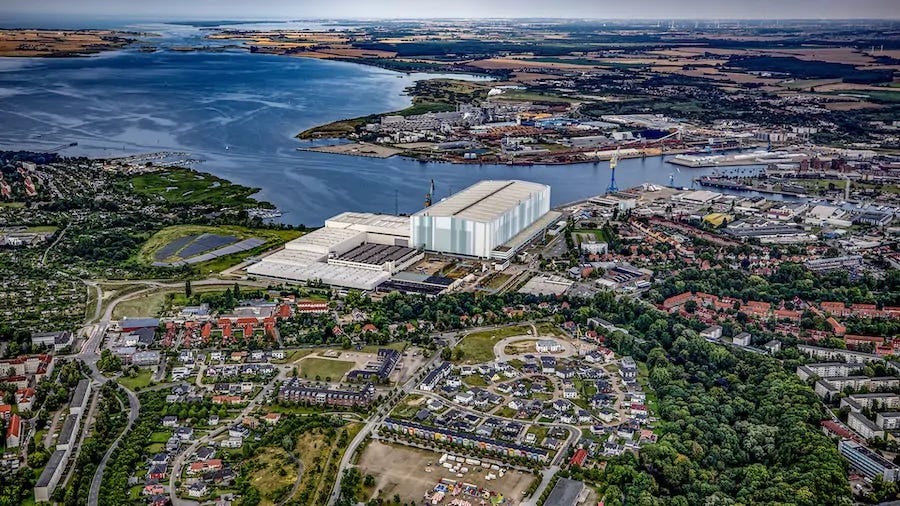
The transformation of the Wismar shipyard under thyssenkrupp Marine Systems takes place against a backdrop of accelerating naval rearmament across Europe and growing concern over the adequacy of industrial capacity to sustain it. After decades of contraction, European navies are once again placing large, long-term orders for submarines, surface combatants and specialised vessels, driven by deteriorating security conditions and renewed alliance commitments. In this context, the availability of physical shipyard capacity, skilled labour and resilient supply chains has emerged as a binding constraint, often more decisive than budgetary allocations or political intent. The redevelopment of Wismar, a former civilian cruise-ship yard, raises a broader question that extends beyond Germany: whether Europe is genuinely expanding its naval industrial base or merely redistributing scarce capacity within it. Assessing Wismar therefore requires moving beyond corporate announcements to examine investment irreversibility, workforce realism, production versus sustainment trade-offs, and the extent to which this project alters the structural balance of European naval shipbuilding through 2030.