

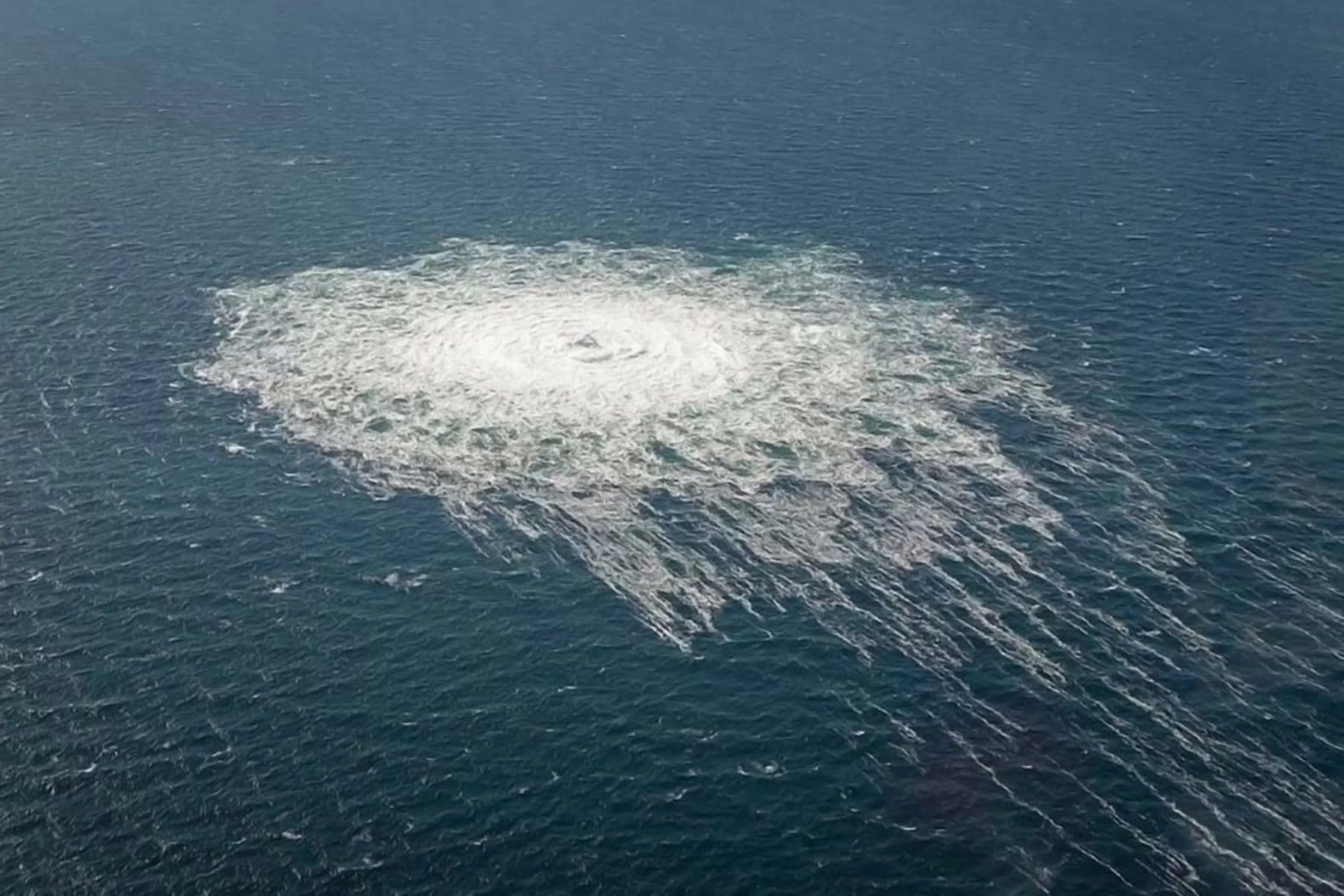
The security of underwater infrastructure in the Baltic Sea has emerged as a strategic priority for Europe following a sequence of events that revealed the physical and systemic fragility of gas pipelines, power interconnectors, and data cables. The explosions that struck Nord Stream east of Bornholm in September 2022 demonstrated that a few well-placed detonations could trigger cascading effects across energy markets, security protocols, and allied trust, all targeting assets built to be invisible and therefore difficult to monitor continuously. The following year, the damage to the Balticconnector between Finland and Estonia, along with two subsea cables in the eastern Baltic, confirmed that disruption does not require sophisticated military means—civilian platforms or “hybrid” accidents are sufficient to achieve strategic impact. The subsequent investigation into the merchant vessel Newnew Polar Bear—whose anchor was reported lost by Chinese authorities—added a further layer of uncertainty, blurring the line between mishap and deliberate pressure. In a sea dense with infrastructure, attribution becomes complex, insurance coverage uncertain, and the boundary between commercial and coercive activity porous. What emerges is a regime of risk combining intentional threat, technical hazard, and political ambiguity, with direct implications for capital allocation, risk premiums, and the governance of strategic infrastructure.