

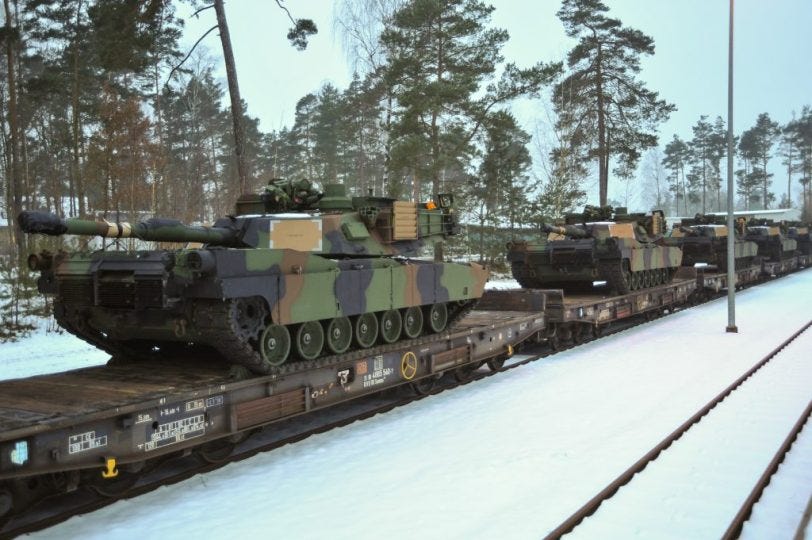
Europe’s emerging “solidarity pool” marks a decisive step in the continent’s transition from dependence to strategic autonomy. The initiative, launched by the European Commission in close coordination with NATO, aims to build an integrated logistical network capable of moving heavy equipment and troops across the continent within hours. For decades, Europe’s fragmented infrastructure — bridges too weak for modern tanks, tunnels too narrow, rail gauges mismatched — has been a structural obstacle to credible deterrence. The Russian invasion of Ukraine exposed this vulnerability: Europe may have the forces and equipment, but not the means to move them fast enough. The €17 billion mobility program seeks to turn Europe’s geography from a liability into an asset, linking western and eastern regions through reinforced land, rail, and maritime corridors. Beyond its engineering scope, this initiative represents a strategic pivot: the physical manifestation of Europe’s awakening to a defense era defined by self-reliance, logistical speed, and credible response without guaranteed American reinforcement.