

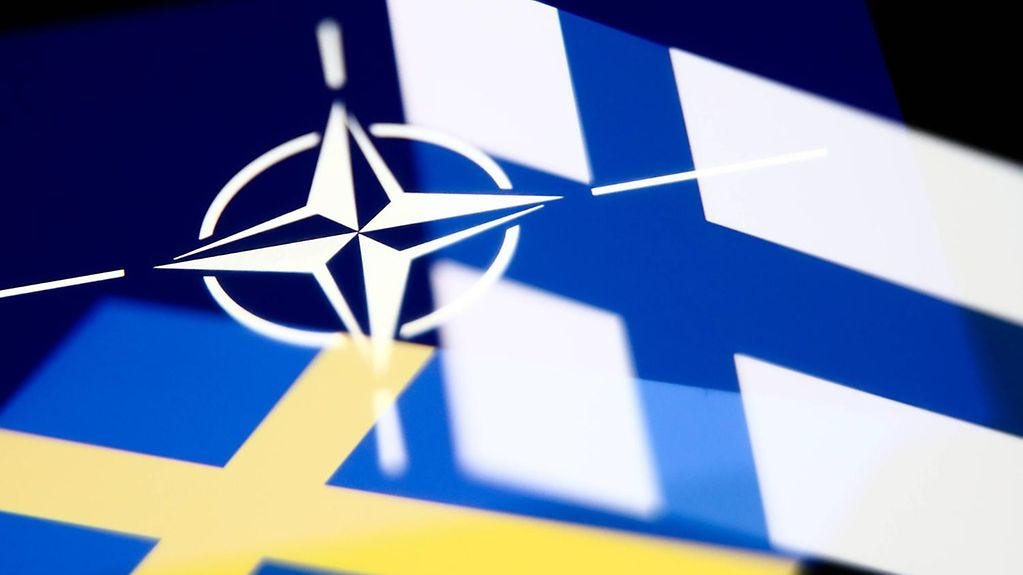
The accession of Finland and Sweden to the Atlantic Alliance has fundamentally reshaped the military geography of the Baltic, turning a once peripheral region into one of Europe’s central pillars of deterrence. With the closure of the northern flank and the full integration of Scandinavian forces, NATO now controls a strategic corridor linking the Arctic to Central Europe. Yet this new configuration does not eliminate the region’s structural vulnerabilities. Moscow continues to perceive an “opportunity gap,” a period in which NATO’s ability to coordinate, mobilize, and sustain forces lags behind its declared potential. The distance between political deterrence and operational readiness remains the Alliance’s principal risk factor. In this environment, the Baltic functions both as an asset—due to its expanded coalition and technological interoperability—and as a pressure point, where slow decision cycles and fragmented command structures could offer Russia temporary tactical advantages.