

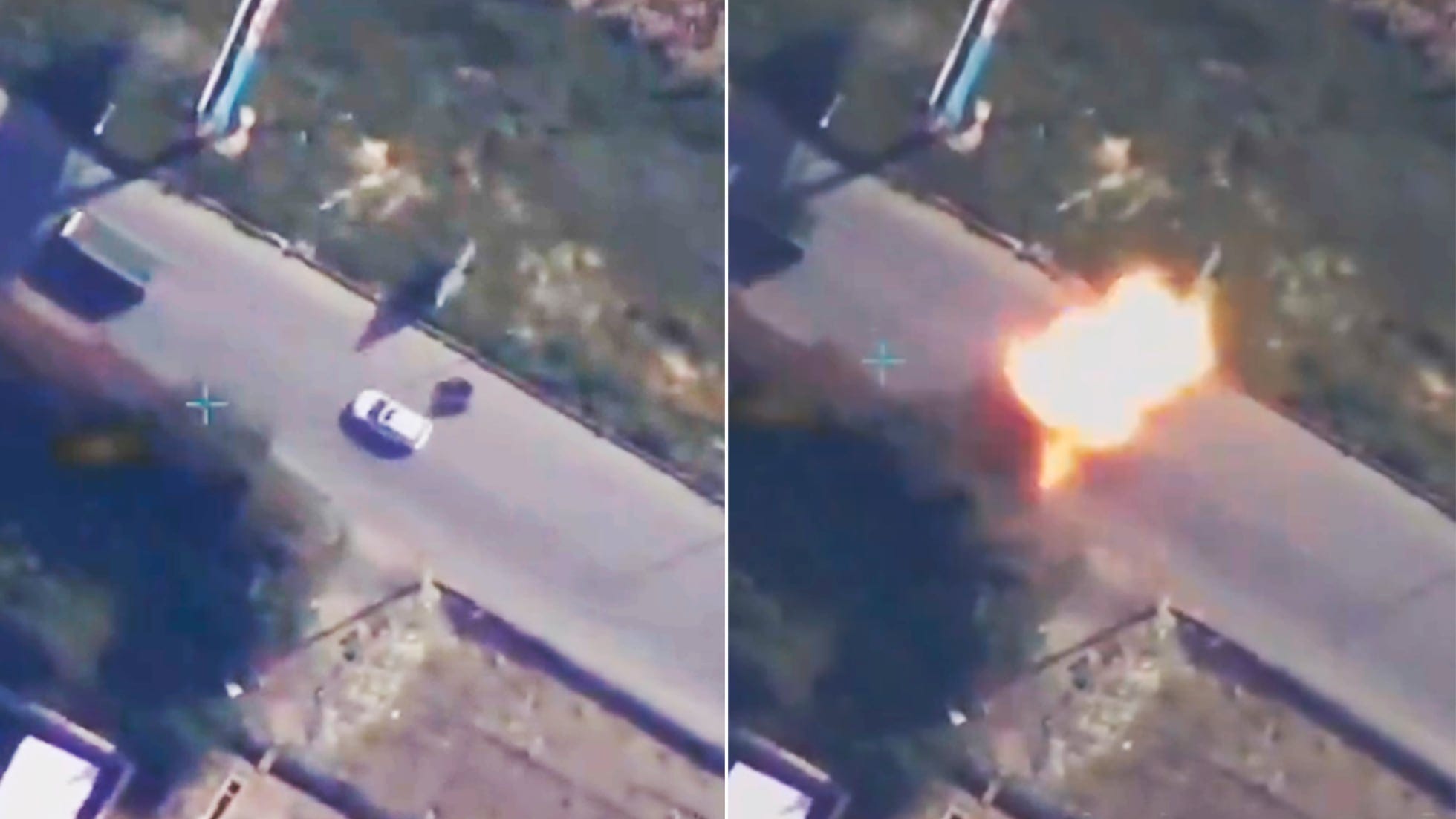
Israel’s operational experience represents one of the most advanced examples of integrating artificial intelligence into military targeting processes. Over the past decade, the Israel Defense Forces (IDF) have tested AI systems designed to accelerate the identification and prioritization of targets in high-intensity conflicts, particularly in Gaza and Lebanon. These systems, such as Gospel and more recently Lavender, have been described as force multipliers, capable of processing vast amounts of intelligence data—satellite imagery, drone feeds, signals from mobile phones—and producing usable target lists at speeds beyond human analytic capacity. The underlying logic is clear: by automating the early stages of data analysis, the IDF can increase the volume of processed targets and exploit very narrow operational windows, reducing the adversary’s reaction time. Yet this transformation raises complex questions about accuracy, accountability, and the role of humans in warfare. Although these systems are not fully autonomous, they represent a significant restructuring of how life-and-death decisions are generated and validated in the field.