

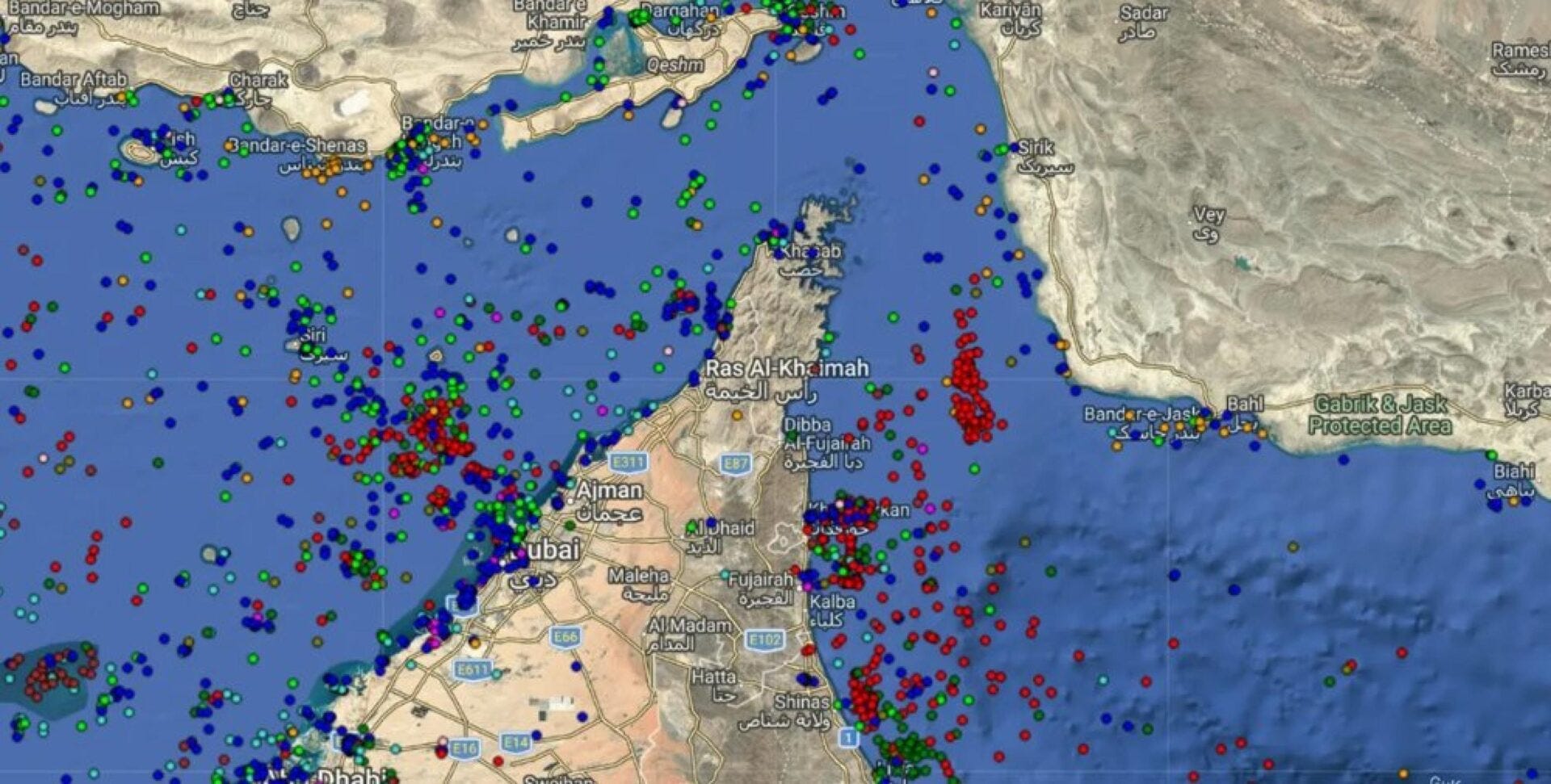
European strategic autonomy has been debated for thirty years. It has been the subject of summits, white papers, capability pledges, and institutional frameworks that have consistently produced less than the strategic situation demanded. The Iran war — launched without European consultation on 28 February 2026, generating an energy shock, a NATO crisis, and a live demonstration of the asymmetric drone warfare economics that European air defence architecture cannot currently absorb at sustainable cost — has changed the terms of that debate in a way that no document or summit could. The absence of European autonomous defence capacity is no longer a political question about alliance burden-sharing or transatlantic solidarity. It is an operational and industrial problem with a measurable gap, a finite set of capable actors, and a delivery timeline that the geopolitical environment is setting whether European governments choose to acknowledge it or not. The five research programmes presented in this series analyse that gap across its five most consequential dimensions: counter-drone and layered defence architecture, munitions stockpile depth, supply chain resilience, production speed, and the defence industrial base as a strategic deterrent asset. Each is grounded in sources of institutional authority and oriented toward the analytical needs of the professionals — defence investors, procurement officials, legal and compliance teams, and strategic advisors — who use DFM to track the European defence industrial landscape in real time.