

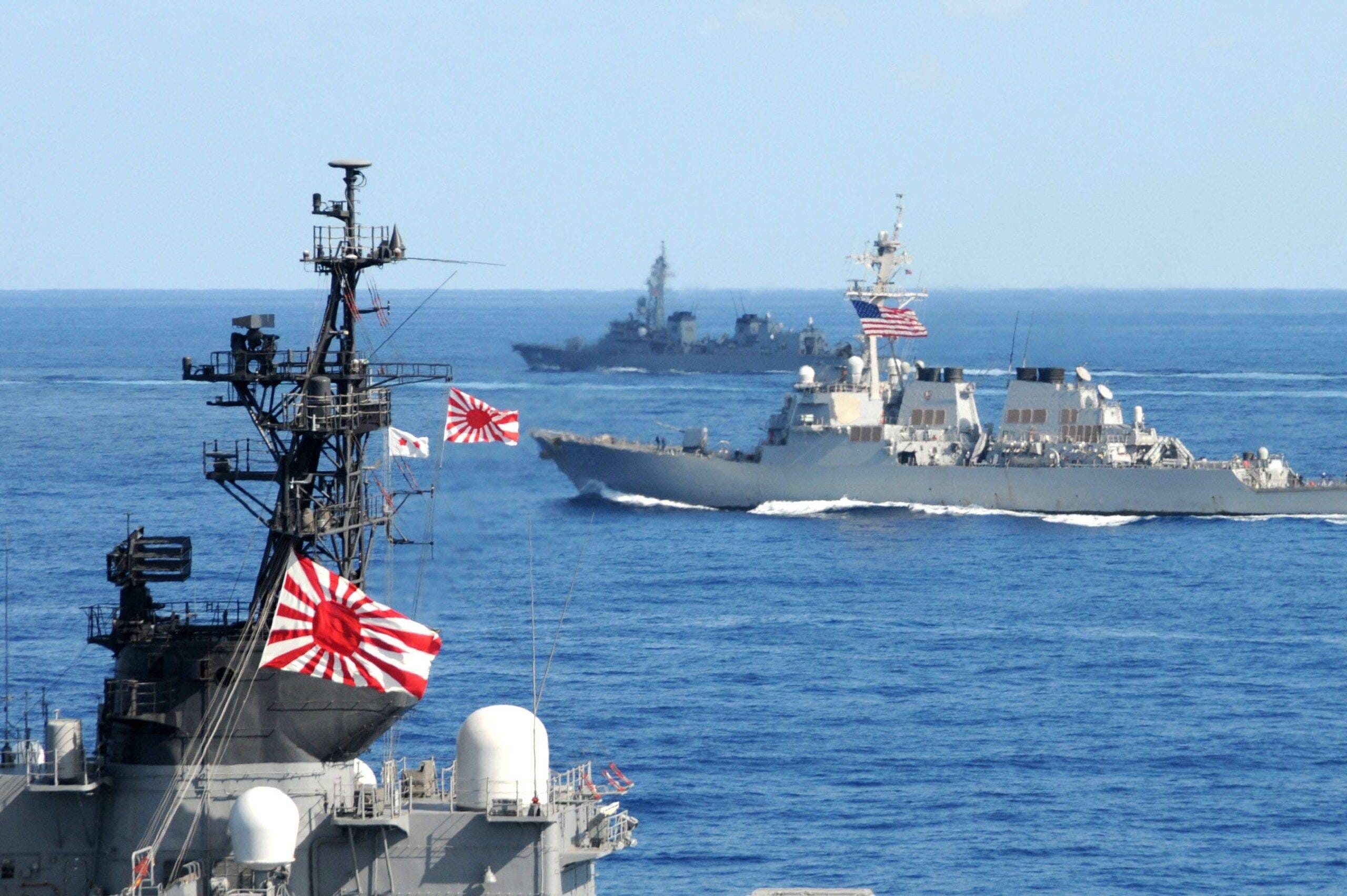
Naval power in the Indo-Pacific cannot be reduced to the mere arithmetic of fleets or the counting of bases scattered across key maritime chokepoints, but must instead be examined through the lens of structural drivers that sustain long-term influence and credibility. Five dimensions are especially decisive: the control of sea lines of communication, the role of sea-based nuclear deterrence, the interpretation and political use of international maritime law, the exploitation of marine resources, and the pace of technological innovation in naval forces. None of these elements can be considered in isolation, since each interacts with and amplifies the others, creating a systemic framework that explains why the rivalry between the United States and China extends far beyond a traditional arms race. In the Indo-Pacific, these drivers acquire existential importance because the vastness of oceanic spaces, the centrality of maritime trade, and the number of littoral states mean that maritime dominance is directly tied to the survival and prosperity of regional and global economies.