

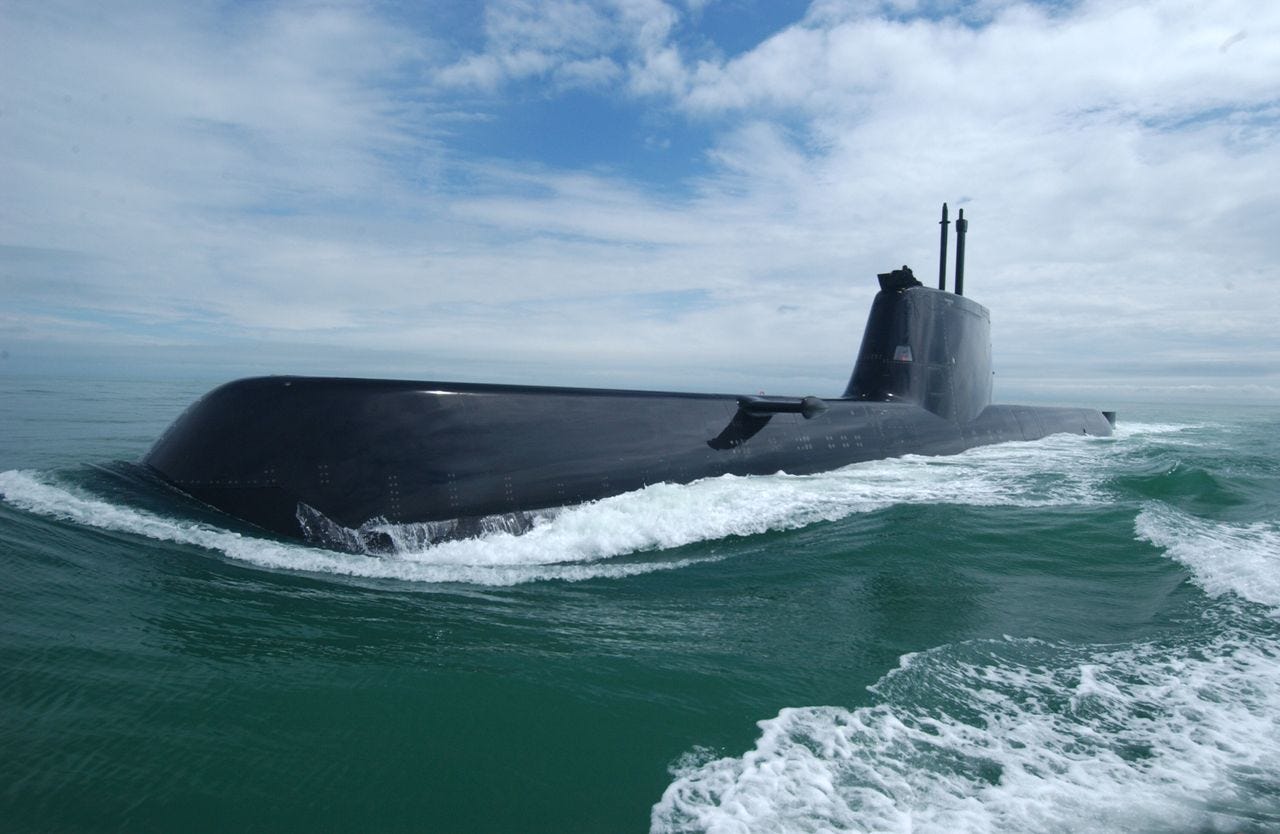
When Thyssenkrupp floats TKMS (its shipbuilding unit) in the next 1–2 years, it will be a test of capital market appetite for a pure-play European defence IPO. Given current sentiment, many believe it will be well-received – TKMS itself said the “geopolitical situation requires decisive action” and indicated interest in Euronext’s pro-IPO measures. The company will use the IPO proceeds to invest in new shipyard capacity and technologies (like new submarines for Germany and NATO allies), essentially mobilising public investor capital to increase defence production. In a similar vein, if KNDS (the tank maker) goes public, it would be a landmark Franco-German market transaction, likely involving a multi-billion euro equity raise that could fund the development of next-gen tanks (MGCS) and other land systems collaboratively These moves indicate that European defence firms are increasingly comfortable turning to equity investors for growth capital, rather than relying solely on government project financing. It’s a model more akin to the U.S., where giants like Lockheed and Raytheon regularly access markets. The difference is that in Europe until recently, political considerations kept many defence firms partly or fully state-owned or tucked in conglomerates. Now, with leaders supportive, the path to public markets is clearer. Successful execution of these IPOs or spin-offs would itself mobilize significant capital. For instance, if TKMS were valued at, say, €5–€10 billion and floated 20–30% of shares, that’s €1–€3 billion of new equity funding going directly into its coffers for new ship construction facilities, hiring, etc. Similarly, KNDS’s IPO could raise a substantial war chest for investment in production lines (especially if Europe plans to mass-produce heavy armor to replace what’s been sent to Ukraine). Beyond IPOs, capital markets are providing mechanisms like rights issues and secondary offerings. Case in point: in 2023, Airbus raised €1.2 billion via a bond to finance its stake in the Eurodrone program, and BAE issued equity to help fund its $5.5 billion acquisition of Ball Aerospace (a U.S. space/defence firm). Investors largely welcomed these moves, indicating receptivity to funding strategic expansion. In summary, capital mobilisation through markets is supplementing traditional funding: it’s enabling big one-time infusions of money when needed. The coordination with institutional initiatives (like Euronext’s support or possibly EU loan guarantees) can further smooth these transactions. The result should be defence companies with stronger balance sheets and more agility to respond to surges in orders. It also internationalizes their shareholder base, which can have geopolitical implications (e.g., U.S. and global investors owning more of European defence – which might align interests across the Atlantic). The success of these market mobilizations will hinge on sustained investor confidence that defence budgets will remain high – which, given the structural changes in threat environment, looks likely for now.