

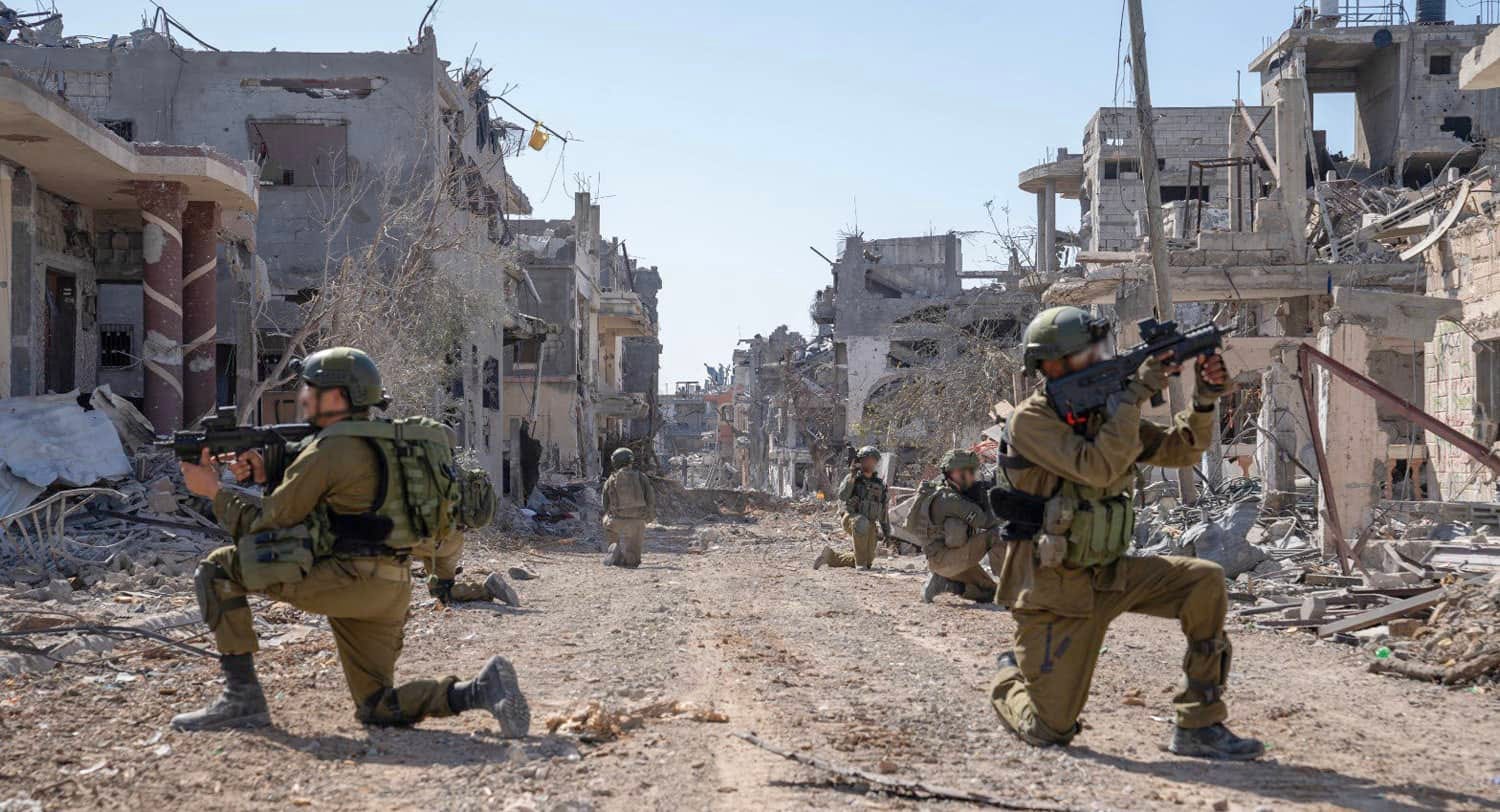
Urban combat remains one of the most decisive features of contemporary conflict, but its significance goes well beyond tactics. For defence industries and investors, it represents a consistent and predictable source of demand, as no technological revolution has removed the need for physical control of territory. Cities, with their density of infrastructure and population, continue to impose requirements that cannot be satisfied by stand-off fires alone. This means that states must continually procure equipment and systems specifically designed for close combat, ensuring that the market for protective gear, portable communications, and short-range weapons remains structurally resilient. Unlike large platforms that may be acquired in cycles of decades, urban warfare drives recurring procurement in shorter cycles, generating continuous opportunities for industry and finance. The financial implication is clear: as long as cities remain central to conflict, so too will steady flows of investment into infantry systems.