

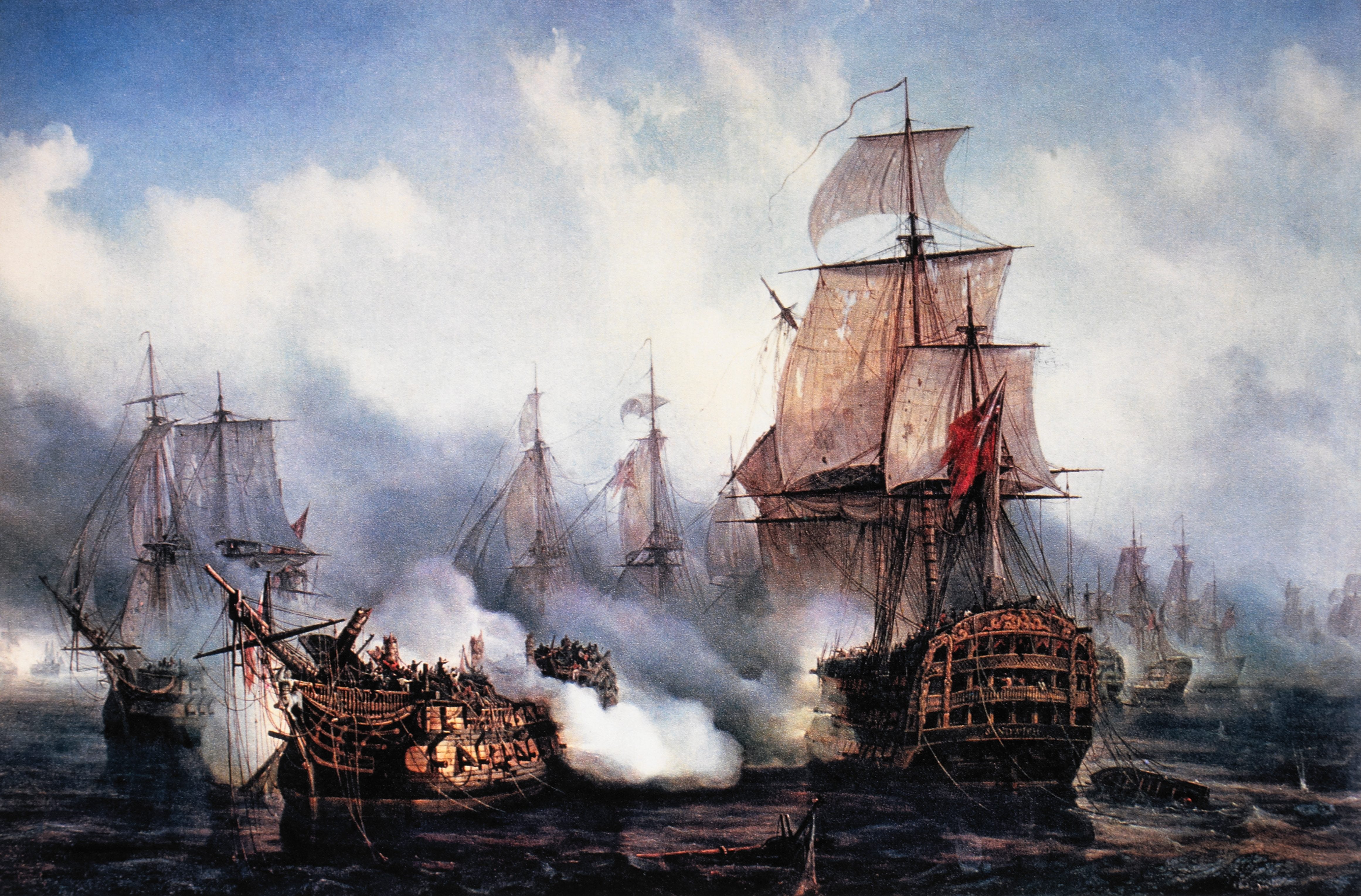
The naval policy of the British Empire can be analysed through the same categories used to describe the maritime power of Rome: the control of obligatory passages — straits, canals, capes — the command of the lines of communication, and the capacity to make others’ transit conditional. The two experiences are separated by two millennia and by a complete technological transformation, from sail to steam, from the broadside to the long gun, from the coaling station to the submarine telegraph cable. Yet, at the level of strategic logic, they share a structure. In the British case too, maritime hegemony was exercised not on the open sea — too vast to be watched — but at the points where the routes contract and can be guarded or interdicted. This article reconstructs British naval policy through those categories, drawing on the principal naval historiography and on the classical theory of maritime strategy. Its argument is simple and will be stated at the outset: a sea power is built on the control of a handful of straits, and when it loses them its collapse begins.