

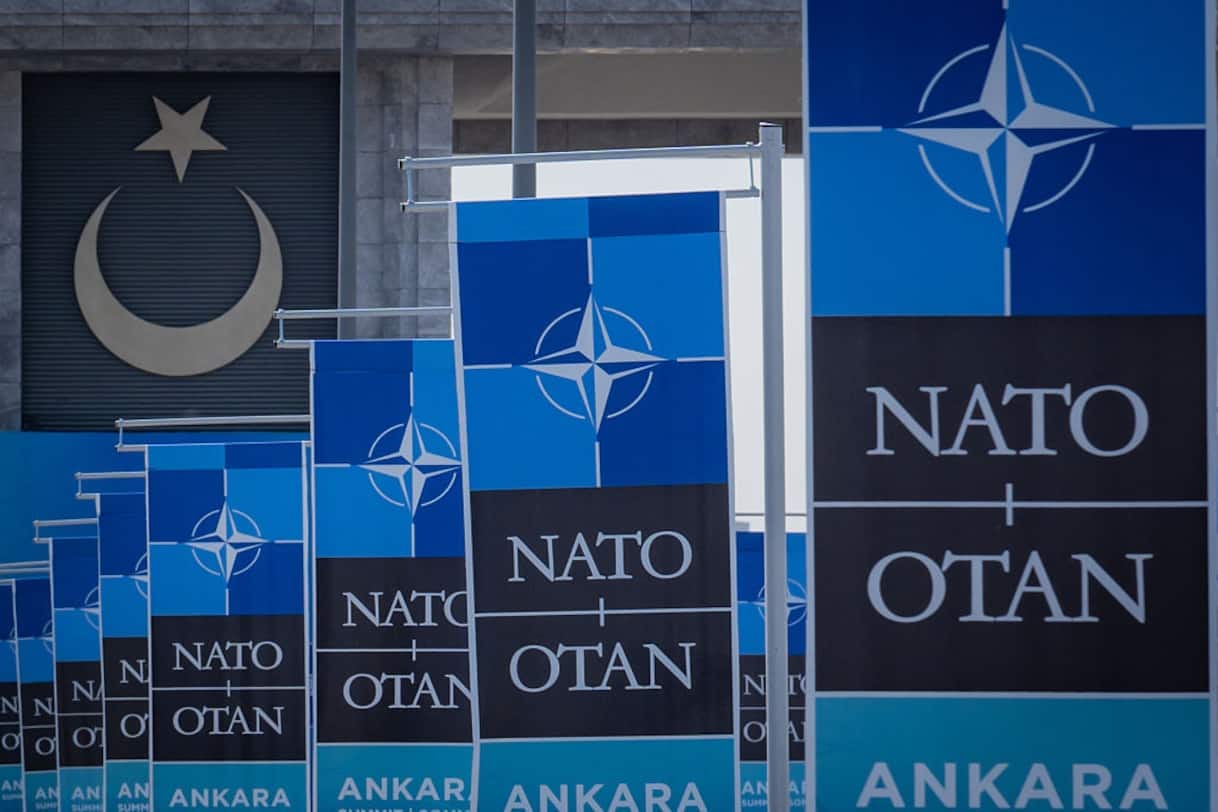
On the eve of the NATO summit in Ankara, Europe has been handed an uncomfortable lesson in what it has become. The question that matters most to its security — how many American soldiers will remain to defend it — was, in these past days, neither asked nor answered in any European capital. It was fought out inside the American administration, in a clash between a defense secretary who wanted to announce sweeping troop cuts and a secretary of state who blocked them, with Europe learning its own fate from a press leak. The episode is a small one, and easy to file away as Washington turf politics. But it raises a question the continent has spent eighty years avoiding, and that the classical strategic tradition frames with uncomfortable precision: is entrusting your security to a far stronger ally the safest arrangement available to you — or the most fragile? Whether the protection of a patron is a guarantee or merely a loan that can be called in, whether dependence dressed as partnership is sovereignty or its opposite, and whether a power that behaves like a client can be surprised when it is treated as one — these are not questions Europe can keep deferring. Where the answer lies, and why it points toward an idea the continent has long resisted, is what follows.