

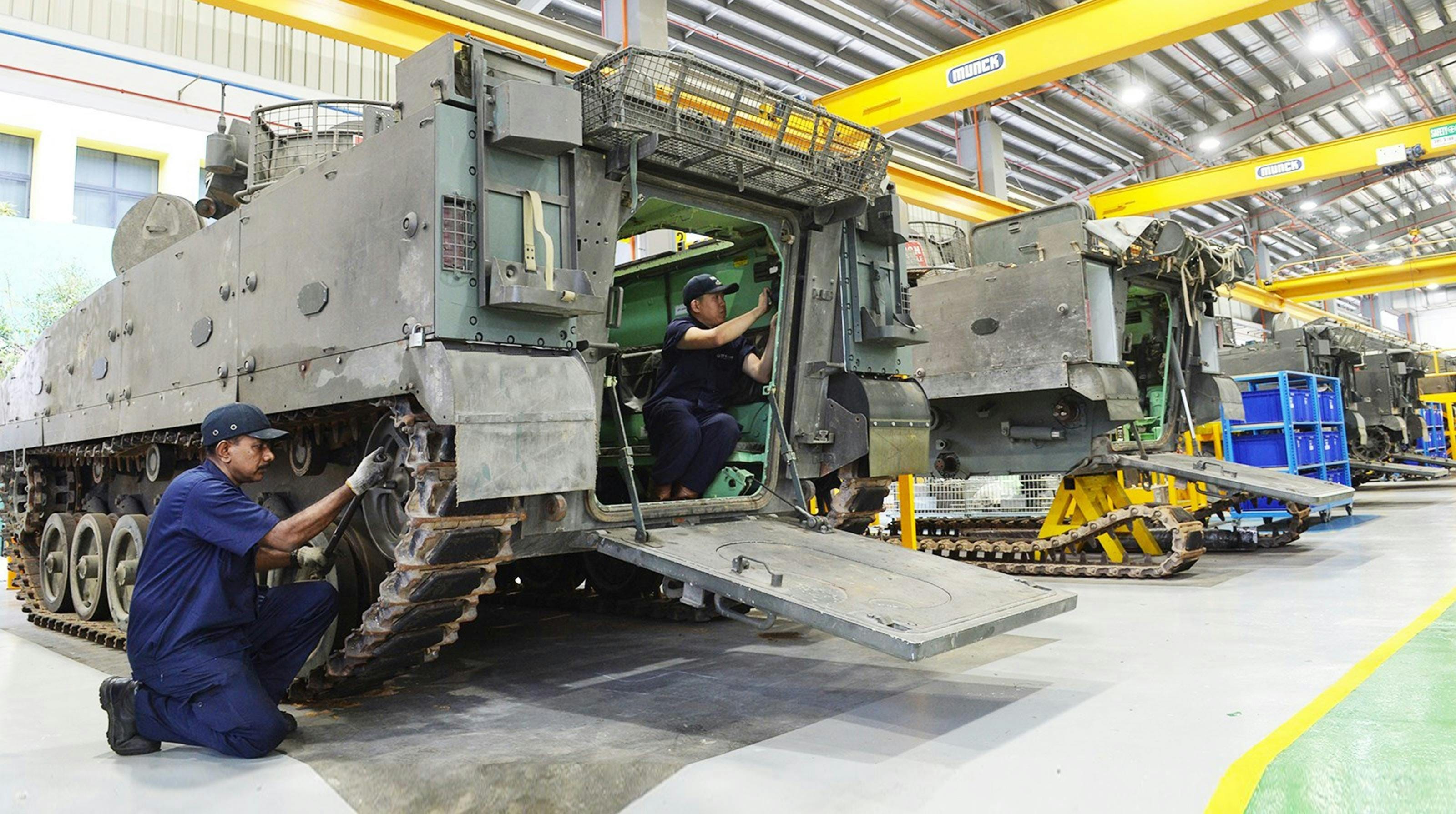
European defense effectiveness is not only measured by platform counts but by sustainment infrastructure throughput. Decades of post-Cold War downsizing have rendered NATO’s maintenance, repair, and overhaul (MRO) ecosystem dangerously brittle. As high-intensity attrition returns to the continent, the capacity to cycle spare parts has become the primary limiter of combat tempo. This research identifies the structural chokepoints within the European logistics chain, from propulsion depots to electronic repair labs. While public focus remains on hardware procurement, professional military endurance is governed by recovery assets and depot bays. Our analysis maps the strategic dependencies on a handful of Tier-2 specialists that form the backbone of Allied mobility. The integration of new NATO members and the expansion of the “Military Schengen” highlight the urgency of addressing these frictions. Frameworks such as the European Defence Industry Programme (EDIP) signal a late but necessary pivot toward industrial readiness. However, acute shortages in skilled labor and specialized testing equipment threaten to ground advanced platforms prematurely. Understanding these vulnerabilities is now a fundamental requirement for capital preservation and long-term strategic planning. This deep-dive identifies the specific industrial actors and policy levers that will define European warfare sustainability. We offer a forensic assessment of the supply chain dependencies that determine the operational readiness of front-line units. Access to the complete findings of this sustainment stress test is reserved for our institutional and research partners.