

Auftragsflut aus dem Ausland: Bundeswehr-Industrie am limite
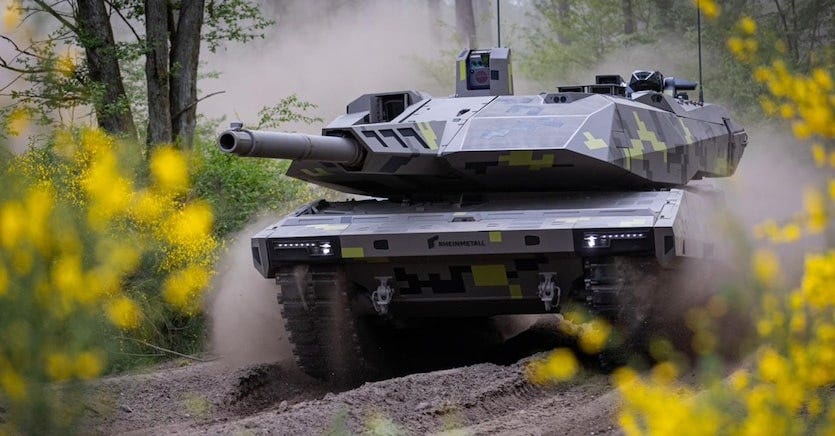
The war in Ukraine has not only prompted Germany to rearm but also caused a spike in global demand for German-made weapons. According to an in-depth Handelsblatt analysis, companies like Rheinmetall, Krauss-Maffei Wegmann (tanks), and Diehl (missiles) are struggling to meet orders from both the Bundeswehr and allied forces. Stockpiles of Bundeswehr equipment and munitions, depleted by deliveries to Ukraine, must be replenished urgently — €20 billion in extra funding has been allocated for this purpose. Simultaneously, Eastern European countries are ordering German systems to replace Soviet-era gear donated to Kyiv. The Czech Republic and Slovakia have signed contracts for dozens of new Leopard 2 tanks and Marder infantry vehicles. Non-NATO states are also looking to German technology: Australia is negotiating for Boxer armored vehicles and self-propelled howitzers. The flood of orders has pushed production to its limits. Rheinmetall is hiring thousands of workers and planning new plants — including a gunpowder factory in Hungary — to meet this unprecedented demand. Handelsblatt notes that this offers significant opportunities for Germany’s economy (military exports are surging) but also requires political action: investments in infrastructure and regulatory streamlining (e.g. faster approvals for weapons production lines) are needed to avoid prolonged bottlenecks. Germany must now rebuild an efficient military-industrial complex — dismantled after the Cold War — requiring not only capital, but strategic focus and political will.