

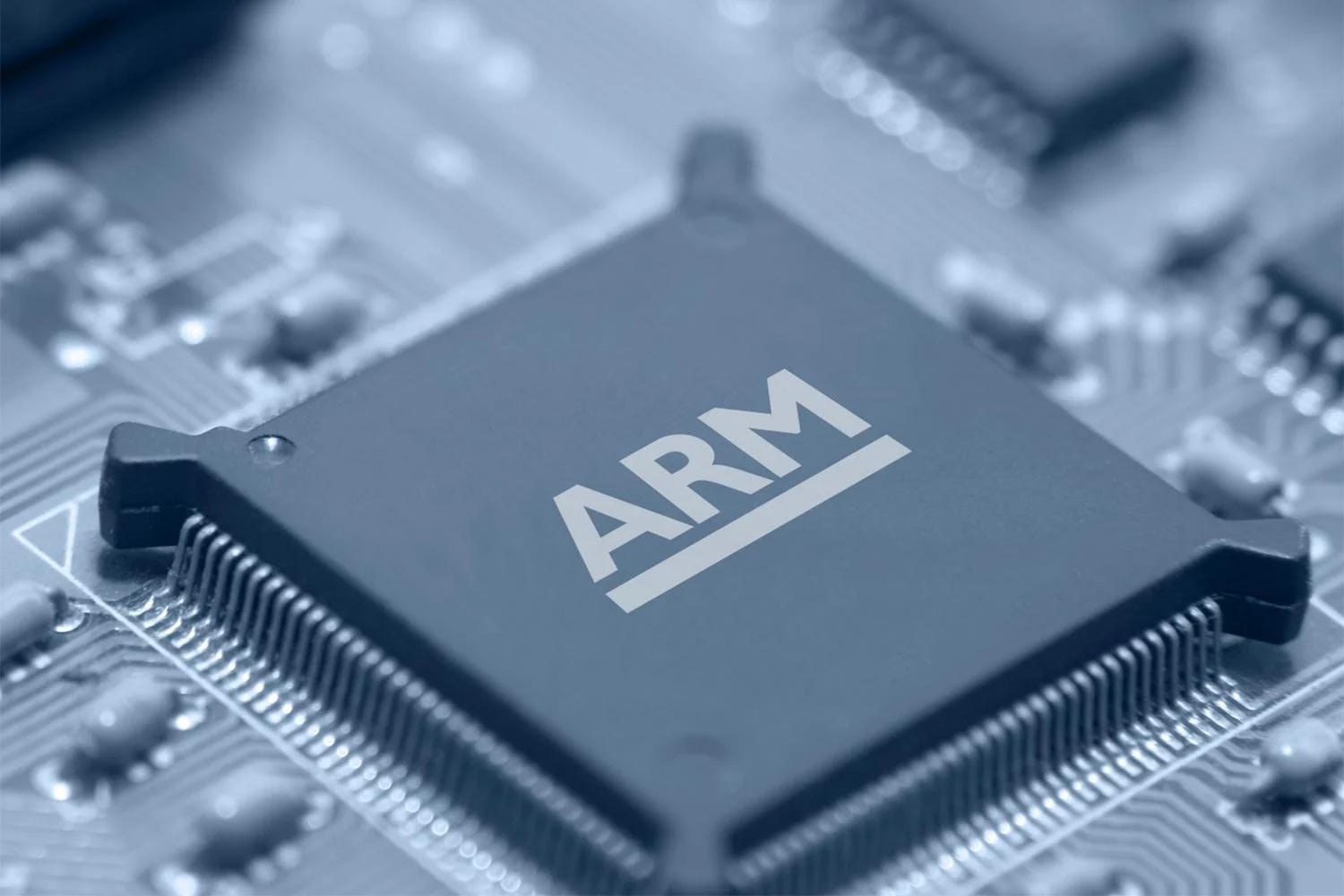
Arm Holdings plc is a British-born semiconductor and software design company headquartered in Cambridge, England[1]. Founded in 1990 from a joint venture of Acorn Computers, Apple and VLSI Technology[2], Arm is a leader in energy-efficient processor IP for mobile, IoT, and embedded systems. Its cores power virtually all modern smartphones, tablets and many IoT devices[3], and its designs have increasingly critical dual-use applications (for example, in communications and vehicle control systems). As a UK-based technology firm, Arm occupies a strategic position for European defense planners: it is allied to Europe’s security through the UK and NATO, yet not a European Union (EU) company. This creates both an opportunity and a challenge for EU strategic autonomy. On one hand, Arm’s processor architectures are non-Chinese and globally ubiquitous[4]; on the other, Europe lacks a comparable indigenous CPU design house. Arm’s advanced chips could substitute Asian imports if cultivated properly, but most Arm-based chip manufacturing occurs abroad (e.g. at TSMC in Taiwan).
Arm’s global standing and technological depth make its capabilities highly relevant to EU and NATO objectives. Its instruction-set architecture underpins over 300 billion chips worldwide and provides a foundation for next-generation AI and edge-computing platforms. European defense planners see Arm as a critical piece in reducing reliance on non-allied technology (especially U.S. and Chinese)[4]. At the same time, Arm’s need for global chip supply chains reminds Europe of persistent gaps in its own semiconductor ecosystem. The company’s strategy – heavy investment in R&D, licensing of IP cores, and collaboration with leading fabless partners – has delivered world-class CPU/GPU designs. For the EU and NATO, Arm’s offerings could enhance interoperable systems and deterrence (by providing high-performance compute without Chinese components), but only if Europe secures legal and manufacturing integration of those assets.
The analysis that follows examines Arm’s identity, business model, technology portfolio, maturity, program participation, and strategic fit with EU/NATO priorities. It assesses Arm’s contributions to European strategic autonomy, NATO multi-domain operations, and supply-chain resilience, and highlights the gaps Europe must close to leverage Arm’s potential for defense. This is not a celebratory profile of Arm as a European champion, but an objective evaluation of how a leading chip design company – born in Cambridge – aligns with EU security objectives. The report notes where Arm directly supports European technology independence (for example, by offering alternatives to non-allied suppliers), and where its foreign ownership or global footprint leave Europe exposed. In doing so, it maps Arm’s portfolio to the European Emerging and Disruptive Technologies (EDT) priorities (such as AI, microprocessors, and secure computing), reviews its participation in defense consortia, and outlines how Arm fits into broader NATO/EU industrial and strategic frameworks.