

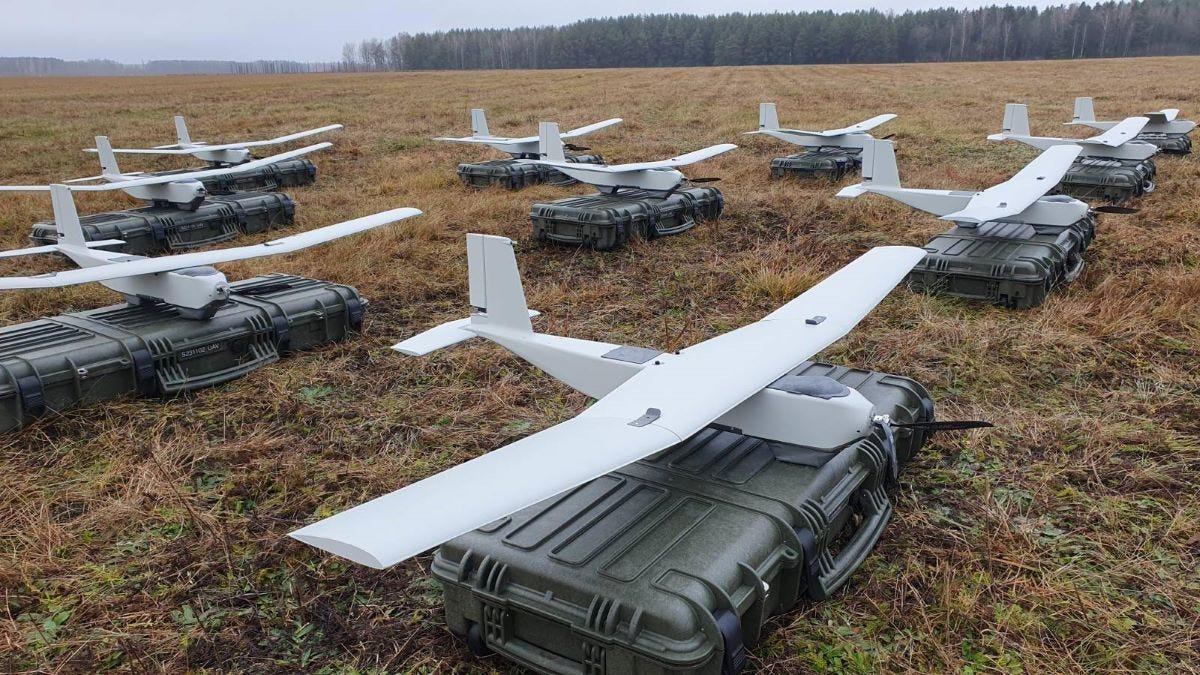
In the context of Europe’s drive for defence technological sovereignty, Granta Autonomy emerges as a compelling case study. Headquartered in Vilnius, Lithuania, this deep-tech startup has quickly gained attention for its fully autonomous mini-drones and sensor systems that have been tested on the Ukrainian battlefield[1][2]. Founded by experienced military engineers, Granta Autonomy is positioning itself as a European-grown alternative to foreign drone suppliers, emphasizing in-house design and European manufacturing to reduce reliance on non-allied sources[3][4]. Its products – hand-launched reconnaissance UAVs, a VTOL loitering drone, lightweight gimbals, and digital communication links – align closely with modern multi-domain ISR requirements. The company has already secured seed funding and national contracts, scaling up production to meet NATO and Ukrainian needs. Readers looking for an independent technical review of Granta Autonomy’s strategic and technological profile will find this comprehensive analysis – from corporate structure to capability gaps – invaluable.