

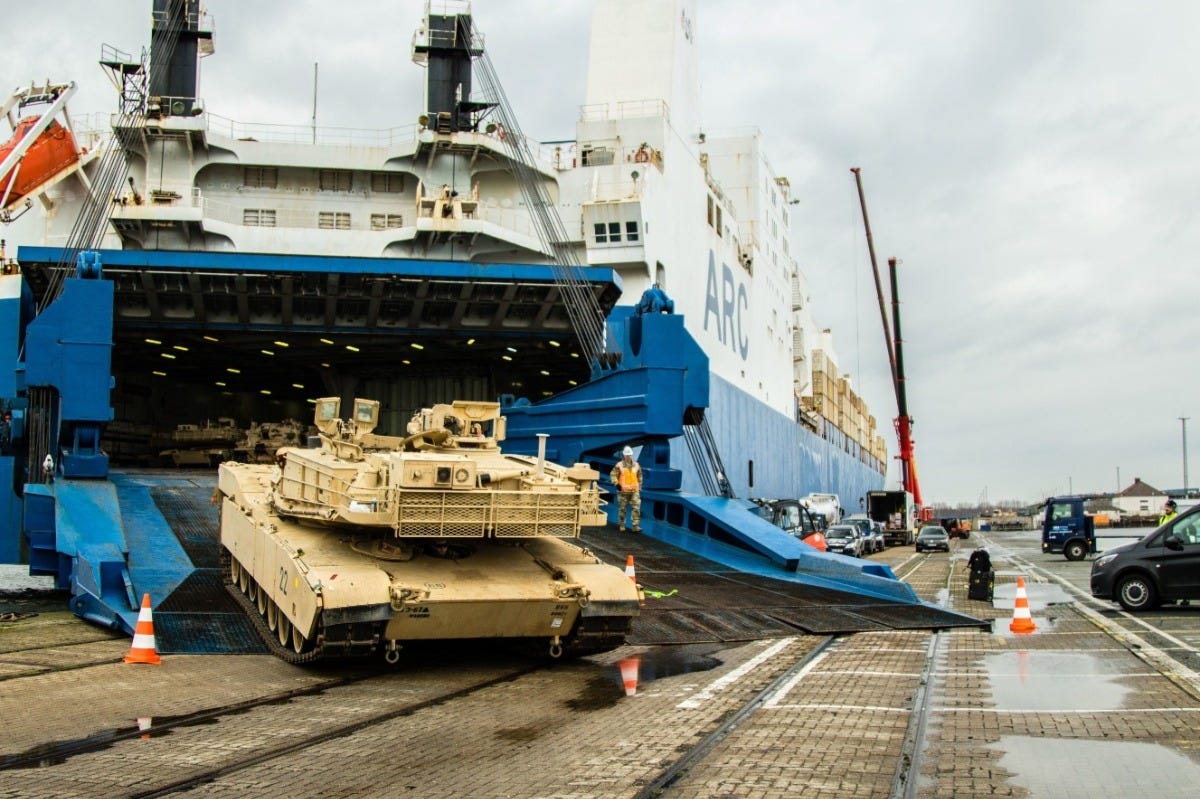
Russia’s full-scale invasion of Ukraine and the prospect of simultaneous crises on the Eastern flank, in the High North and along southern approaches have pushed logistics and military mobility to the centre of European and allied defence planning. NATO, the EU and national governments now treat the ability to move and sustain forces rapidly across borders as a core determinant of deterrence credibility and mutual-assistance commitments. This requires not only reinforced transport corridors, dual-use infrastructure and fuel networks, but also new command-and-control procedures, harmonised transit rules and resilient energy and digital systems. At the same time, war games and official reviews have exposed significant structural gaps: insufficient heavy transport capacity, limited stockpiles, uneven maintenance infrastructure, regulatory friction and industrial dependencies in critical components. The question is no longer whether military mobility is a priority, but how quickly Europe can build a coherent, multi-domain logistics architecture that matches its strategic ambitions.
The report is structured to follow this logic from strategy to implementation. It opens with the strategic and policy framework in NATO and EU documents, explaining why logistics and mobility have become explicit priority capabilities. It then examines the operational and multi-domain architecture being built around designated corridors, dual-use infrastructure and joint civil-military logistics planning. A third section analyses the concrete capability families involved – from pre-positioned stockpiles and heavy transport assets to mobile repair units and digital logistics C2 – highlighting where bottlenecks already constrain readiness. A fourth part looks at administrative, regulatory and financial instruments, including new EU regulations, funding lines and coordination bodies. The report then maps structural bottlenecks and strategic dependencies in infrastructure, workforce and industry, before closing with a detailed assessment of the implications for companies, technologies, research and capital: which actors are structurally exposed to this priority, where demand is likely to grow and how institutional funding is being aligned with long-term logistics resilience.