

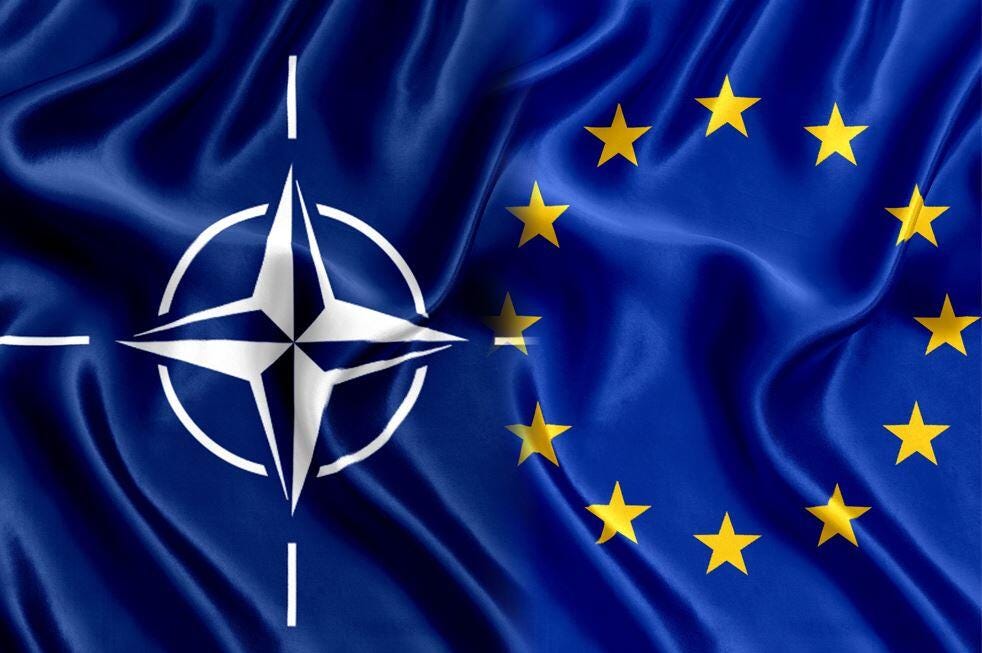
The evolution of European strategic autonomy has necessitated a sophisticated legal architecture capable of reconciling industrial protectionism with the requirement for trans-atlantic interoperability. This transition explores the regulatory “manoeuvring spaces” within the EDIP and SAFE frameworks that permit the integration of United States capital and high-end technologies. While the primary mandate remains the reinforcement of the internal European Defence Technological and Industrial Base, official texts reveal a doctrine of strategic exceptionalism tailored for NATO allies. This framework does not function as a hermetic seal against external actors but operates as a selective filter prioritizing collective security and rapid operational readiness. By examining the interplay between sovereignty-focused mandates and partnership clauses, one can discern the specific legal mechanisms allowing US actors to maintain a structural role in common projects. The NATO-Allied status acts as a regulatory catalyst, facilitating derogations that transform potential technological veti into opportunities for highly regulated industrial cooperation. Consequently, the balance between protecting internal assets and ensuring trans-atlantic synergy defines the current legal boundaries of the European defence procurement landscape. This introductory overview sets the stage for a rigorous examination of the specific derogation mechanisms and reciprocity clauses that govern foreign participation. Such a framework ensures that the quest for sovereignty does not compromise the functional requirements of the Alliance or the security of the Union.