

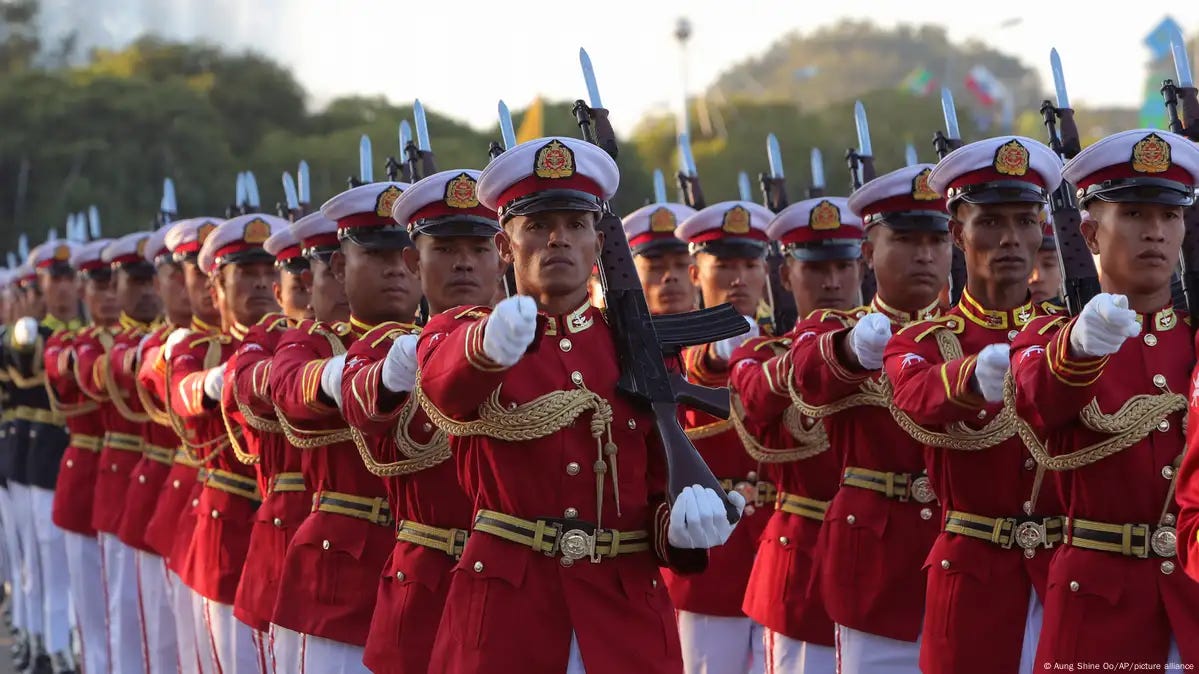
The end of the Cold War created a transformed strategic environment in Southeast Asia, where states suddenly faced the dual challenge of adapting to new global dynamics and addressing persisting regional rivalries. Without the binary logic of superpower confrontation, national security priorities became more diversified, reflecting a mixture of domestic imperatives, territorial disputes, and aspirations to international recognition. Modernisation of the armed forces became a critical instrument through which governments attempted to safeguard sovereignty, project deterrence, and embed themselves into broader patterns of global security. The emphasis was not solely on replacing outdated equipment, but also on developing institutional resilience, operational flexibility, and technological sophistication. These ambitions coincided with rapid economic growth in several parts of the region, providing both the fiscal means and the political legitimacy necessary to pursue ambitious procurement programs. Modernisation thus evolved as a multidimensional process, simultaneously shaped by economics, politics, and geopolitics, reflecting the complex demands of a post-Cold War order.