

This special edition of Defence Finance Monitor explores Germany’s unprecedented rearmament strategy and its implications for the defence industry, capital markets, and industrial sovereignty in Europe. With over €649 billion allocated between 2025 and 2029, Germany is transforming into the continent’s primary production hub for advanced military capabilities. For investors, this shift unlocks substantial opportunities: legal reforms are accelerating procurement cycles, public borrowing is funding industrial expansion, and long-term contracts offer planning security to suppliers and financiers. At the intersection of public ambition and private execution, Germany’s defence sector is becoming more liquid, scalable, and strategically aligned with NATO and EU objectives. This report analyses spending trends, regulatory instruments, procurement acceleration, and cross-border cooperation with France and the UK. It maps out where defence, industrial policy, and investment opportunity converge—across ammunition, aerospace, sensors, simulation, cyber, and logistics. Germany’s Zeitenwende is no longer rhetoric; it is an investable transformation.
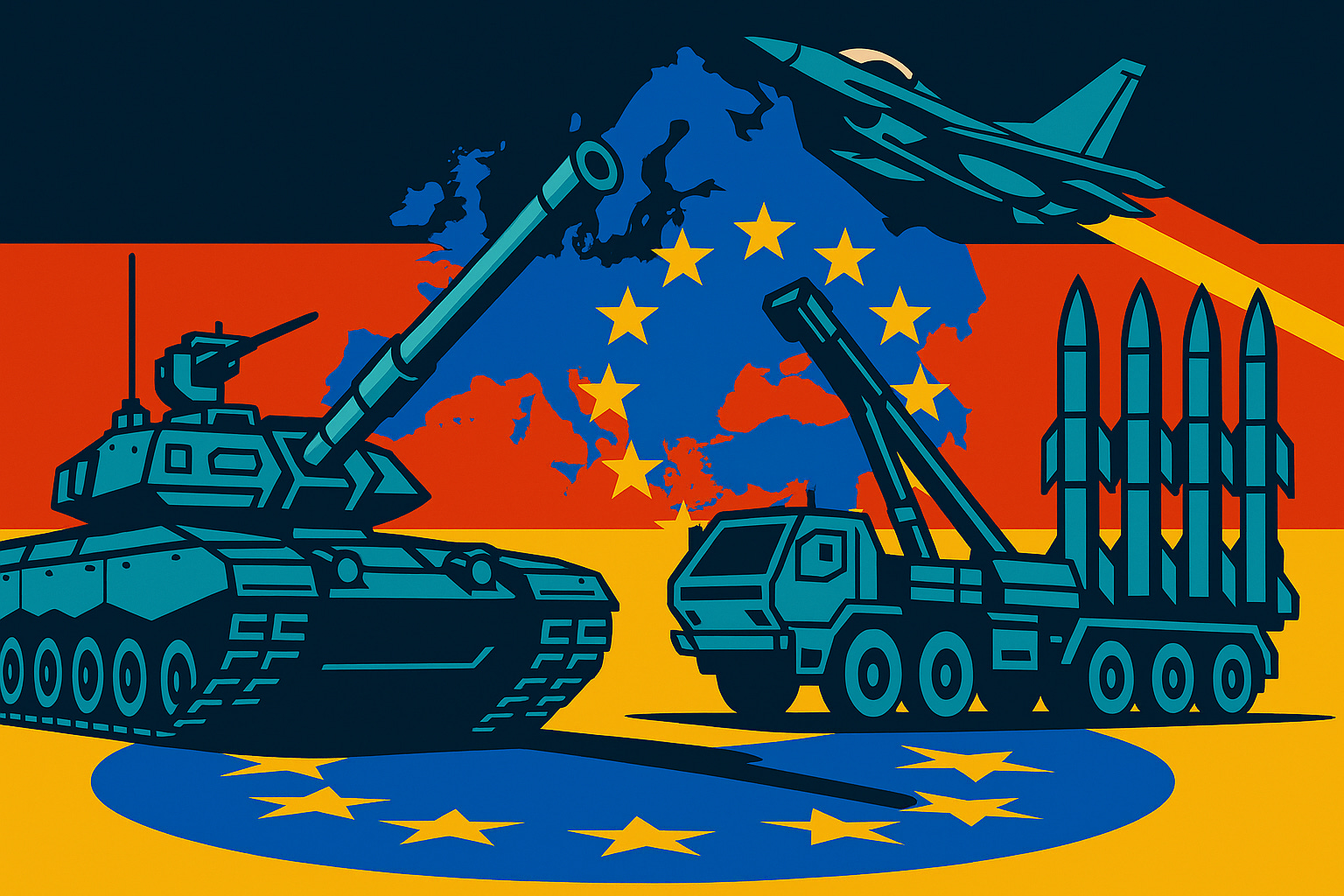
Germany as Europe's Arsenal: Strategic Repositioning through Defence Industrial Leadership
Germany is undergoing a structural redefinition of its role in Europe’s security architecture, moving from a reluctant power to a strategic cornerstone in the rearmament and defence integration of the continent. In the wake of shifting global power dynamics, deteriorating trust in U.S. security guarantees, and Russia’s sustained aggression, Berlin is now positioning itself as the central industrial and strategic hub of a new European defence paradigm. The concept of Germany as the “arsenal of united Europe”, echoed by policymakers such as Johann Wadephul and Chancellor Friedrich Merz, signals a long-term commitment not only to military readiness but to economic and technological leadership within a broader transatlantic alliance.
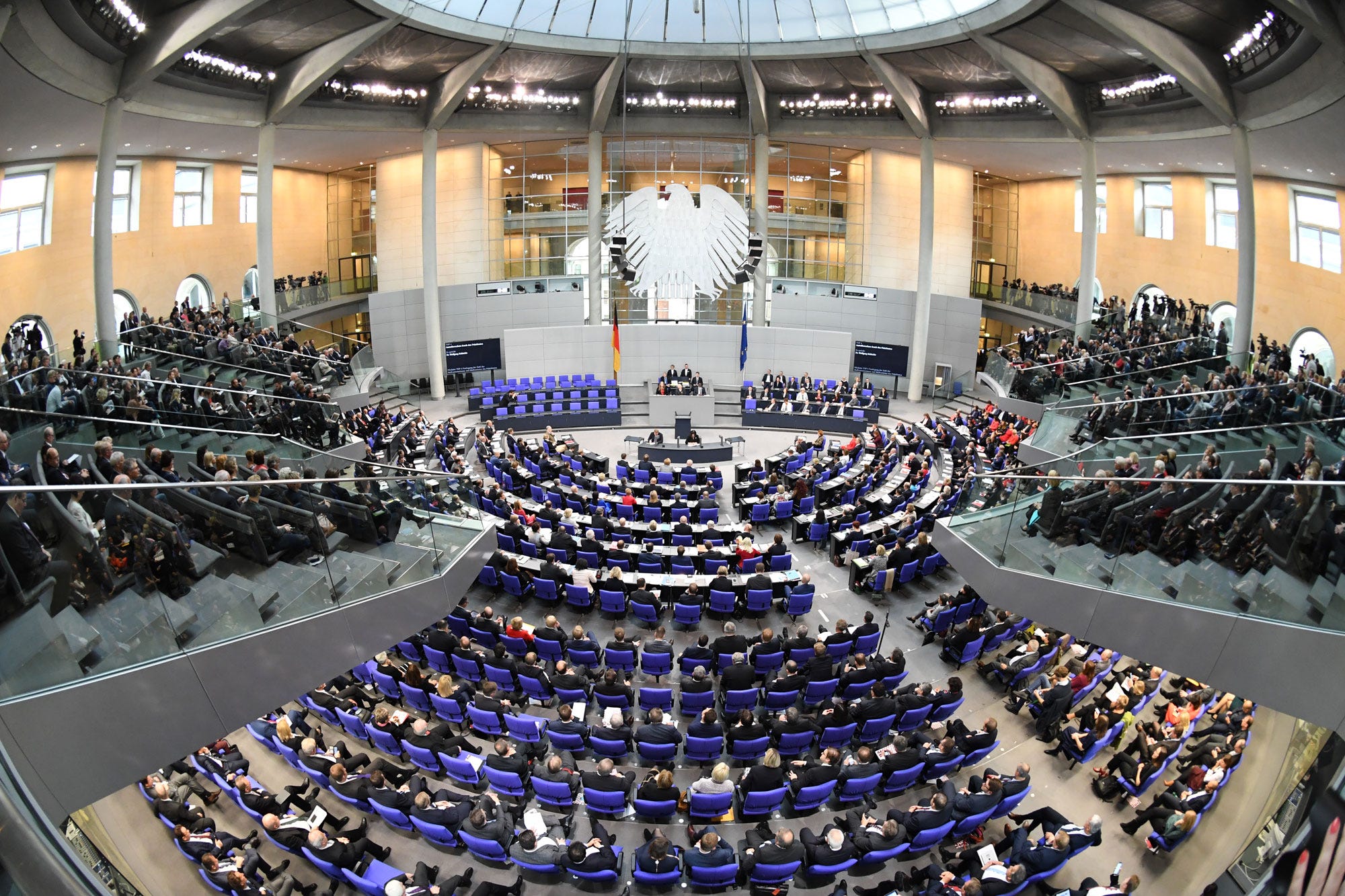
Germany's Defense Procurement Reform: Legal Acceleration for Strategic Rearmament
Germany is institutionalizing a sweeping legal reform to accelerate military procurement and defense industrial readiness through the new Bundeswehr Planning and Procurement Acceleration Act (June 2025). The law extends and deepens temporary emergency measures introduced in 2022, transforming them into a permanent regulatory framework that enables fast-track acquisition of weapons and military technologies. Key provisions include broad exemptions from EU public procurement rules (via Article 346 TFEU), a doubling of the direct award threshold to €100,000, advance payments to startups and high-tech suppliers, and legal shields to prevent bid protests from halting contracts. For institutional investors and defense-oriented funds, this reform signals a strategic shift: Germany is not only ramping up defense spending but restructuring its procurement law to ensure capital deployment turns into capability delivery. The reforms reduce regulatory friction, open the defense market to innovation, and prioritize rapid scalability—positioning the German defense ecosystem as a more liquid, responsive and investible landscape within Europe’s rearmament cycle.
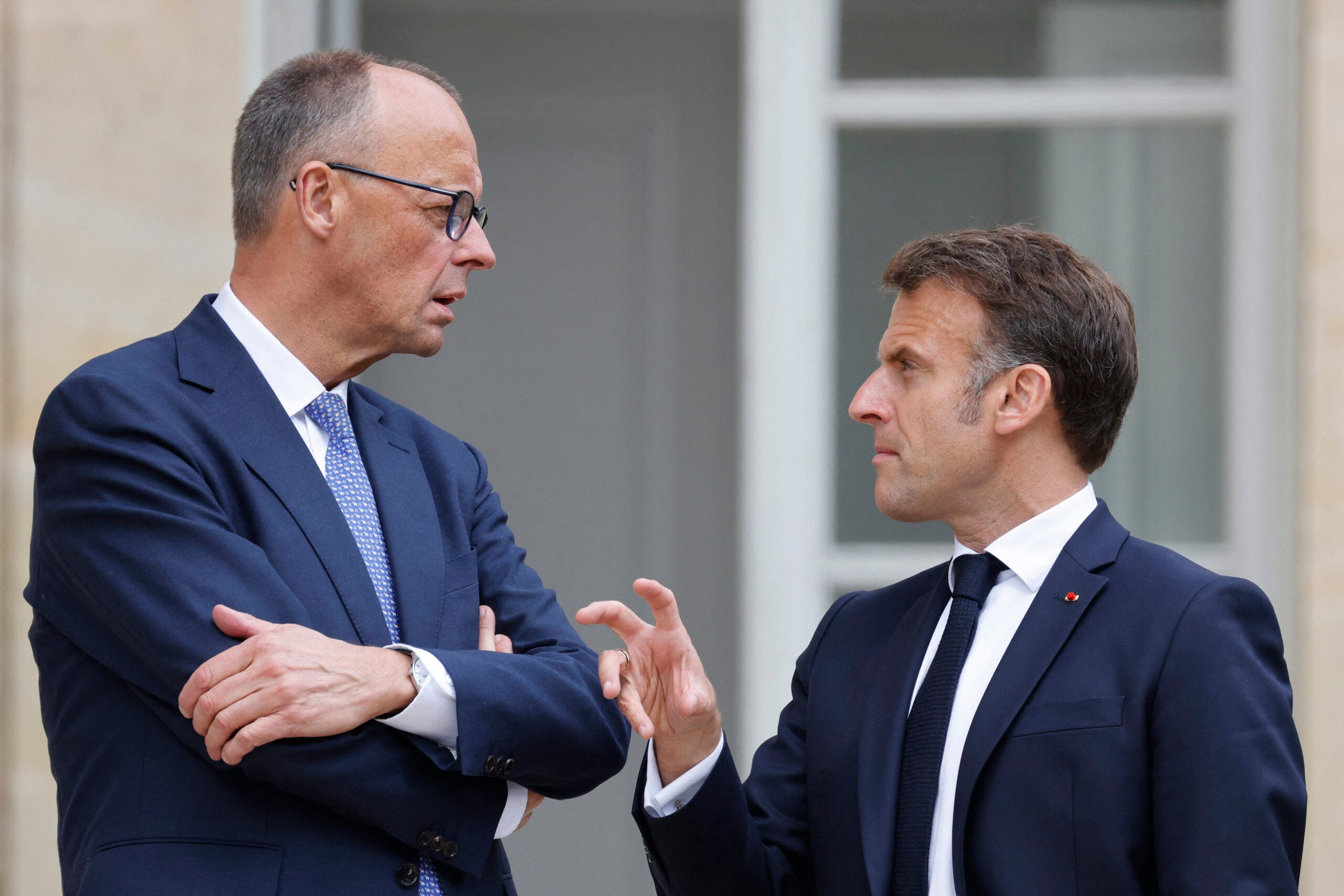
Reviving the Franco-German Axis: A Strategic Pillar for Europe’s Defence
The renewed partnership between France and Germany marks a decisive moment for European security, placing the Franco-German axis once again at the centre of continental defence policy. The joint article by President Emmanuel Macron and Chancellor Friedrich Merz, published ahead of the NATO summit in The Hague, outlines a strategic convergence driven by shared assessments of global instability. Both leaders present a stark diagnosis: the erosion of international norms and the resurgence of revisionist powers such as Russia require a European response grounded in strength and unity. In this context, the Franco-German relationship is positioned not only as a bilateral understanding but as the backbone of a more autonomous and capable European pillar within NATO. The commitment to act “not because others ask us to, but because we owe it to our citizens” encapsulates the new tone of strategic realism guiding the two capitals.
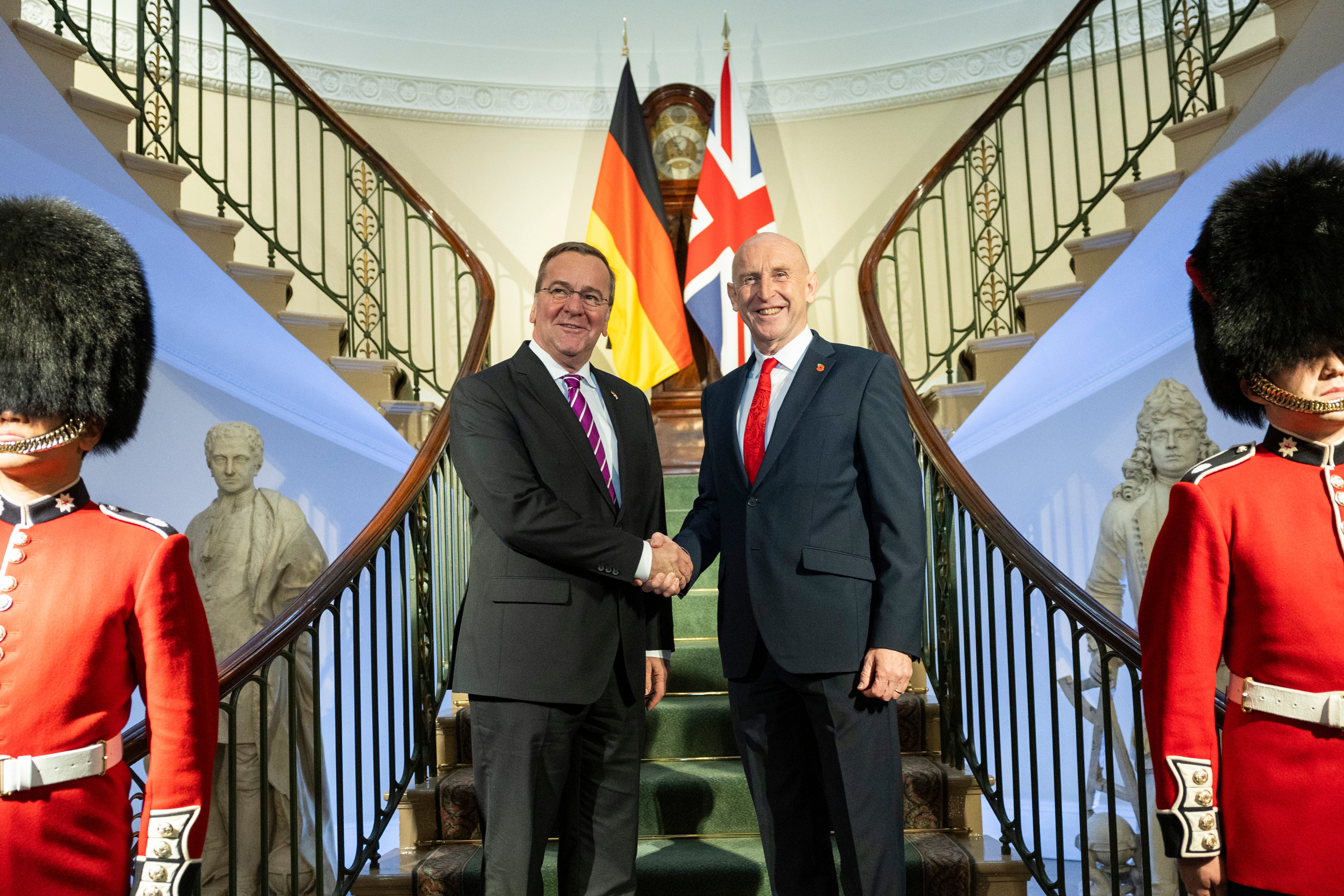
The Trinity House Agreement: A Strategic Realignment in European Defence
The Trinity House Agreement, signed on 23 October 2024 by the United Kingdom and Germany, represents a landmark shift in bilateral defence cooperation, marking a deliberate response to the shifting European security architecture in the aftermath of Russia’s 2022 invasion of Ukraine. Rooted in shared values and long-standing NATO commitments, the agreement establishes a comprehensive framework for political, military, industrial, and technological collaboration. By formalising the strategic alignment between two of Europe’s leading military powers, the accord addresses both operational readiness and structural interoperability, with the stated goal of enhancing collective security and resilience. The Ministry of Defence in both countries described this as a pivotal moment in the realignment of British-European relations post-Brexit. Notably, the agreement is not legally binding under international law but sets the stage for institutionalised collaboration through regular councils, committees, and dialogues across defence domains.
Germany’s Defense Spending Surge: 2025–2029 Budget Analysis
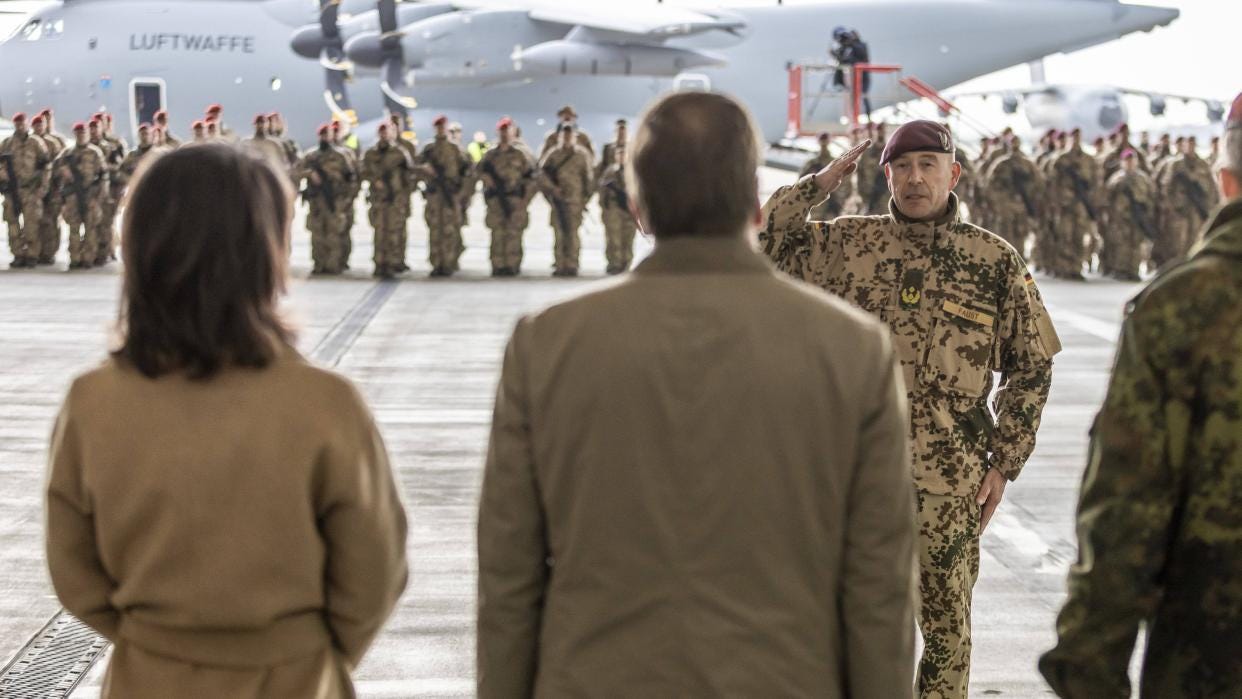
In late June 2025 Germany’s new CDU/CSU–SPD coalition unveiled a draft federal budget that signals a historic shift: massive investments to rebuild the Bundeswehr. Defense outlays are slated to jump to €95 billion in 2025, then rise rapidly each year to roughly €150–160 billion by 2029. In total, up to €649 billion over five years is being earmarked for modernization of the armed forces and domestic armaments industry – an increase “of unprecedented scale” not seen since the 1960s. The government explicitly links this surge to Russia’s aggression in Ukraine, noting that “the largest and most direct threat” now comes from Russia’s war, and pledges that Germany must become deterrence- and defense-capable. Federal Finance Minister Lars Klingbeil (SPD) and Defense Minister Boris Pistorius (SPD) have described these plans as a “historic turning point” in defense policy.

German Armed Forces Rearmament and Modernization Projects
In late June 2025, the Budget Committee of the German Bundestag approved seven major procurement and upgrade programs for the Bundeswehr, with a combined value of over €3 billion. These investments – financed through both the new “Bundeswehr special fund” (Sondervermögen) and the regular defense budget – reflect Germany’s post-Ukraine-war security policy shift (“Zeitenwende”) and its commitment to NATO defense spending. The special fund itself was established in early 2022 (after Russia’s full-scale invasion of Ukraine) with up to €100 billion in borrowing authority to “strengthen alliance and defense capabilities”. The latest approved measures cover advanced weapon systems and support equipment across air, land, and naval domains, emphasizing high-tech solutions to emerging threats.

Strategic Exposure: German Defense Players in the 2025–2029 Spending Cycle
Germany’s defense budget expansion between 2025 and 2029 represents one of the most ambitious rearmament efforts in postwar Europe. With projected annual expenditures rising from €95 billion in 2025 to €160 billion by 2029, Berlin is rapidly scaling defense investment to meet NATO’s 3.5% of GDP target six years ahead of schedule. This budget reallocation—combined with constitutional exemptions from the debt brake for security spending—creates long-term visibility and structural demand for military platforms, ammunition, sensors, digital infrastructure, and support systems. The German defense-industrial base stands to benefit across multiple verticals, from heavy land systems and naval platforms to cybersecurity, simulation, and guided weapons. Notably, most procurement is directed toward firms with headquarters and production in Germany, anchoring strategic value within national and European supply chains. For investors, this shift offers exposure to both listed primes and high-value private players embedded in long-cycle contracts.