

This special edition of Defence Finance Monitor examines the unprecedented convergence between EU cohesion policy and defence. For decades, cohesion funds such as the ERDF, the Cohesion Fund and the ESF+ were used exclusively to promote regional development, reduce disparities and strengthen social inclusion. The 2025 mid-term review of the EU’s financial framework has fundamentally altered this paradigm, explicitly opening cohesion instruments to defence-related objectives. Industrial capacities, dual-use infrastructure, military mobility, civil preparedness, SME participation and skills development have all been integrated into the scope of cohesion funding. This represents a strategic shift: regional policy is no longer separate from security but becomes a driver of Europe’s autonomy. The amendments include exceptional financing incentives, higher co-financing rates and targeted support for border regions exposed to geopolitical threats. They also align cohesion with flagship initiatives such as STEP and IPCEIs, embedding regional budgets in Europe’s technological roadmap. Confidentiality provisions ensure sensitive projects remain secure while preserving institutional accountability. Together, these measures redefine cohesion as both an instrument of solidarity and a pillar of resilience. This issue provides a comprehensive set of analyses to guide policymakers, investors and enterprises in understanding the financial, industrial and strategic implications of this transformation.
Cohesion Policy and Defence: A New Strategic Convergence
The European Union’s cohesion policy has historically been conceived as a tool to reduce regional disparities, promote social inclusion and strengthen territorial integration. Through the European Regional Development Fund (ERDF), the Cohesion Fund and the European Social Fund Plus (ESF+), cohesion instruments have traditionally been deployed to finance infrastructure, innovation, employment and social services across Member States. Their purpose was to ensure that less developed regions could converge towards the Union’s average economic performance while safeguarding social and territorial cohesion. For decades, these instruments have been considered separate from the Union’s external and security policies, operating primarily in the socio-economic domain and only indirectly touching upon matters of strategic autonomy. The geopolitical upheavals of the last decade, and in particular Russia’s aggression against Ukraine, have profoundly altered this separation.

Defence Industry Integration into EU Cohesion Policy
The mid-term amendments to the EU’s cohesion framework explicitly incorporate the defence industry into the policy’s objectives. Recital (6) underlines that “unprecedented geopolitical instability” requires cohesion funding to support both defence and security, thereby transforming instruments once focused exclusively on socio-economic convergence into tools for strategic resilience. For the first time, the ERDF and the Cohesion Fund are mandated to finance industrial capacities in the defence sector and to invest in dual-use infrastructure. The legislation clarifies that these capacities relate to the development and production of defence products as defined by EU law, thereby aligning cohesion investment with the Union’s broader defence regulatory architecture. Article 3(a)(vii) adds a new specific objective: “enhancing industrial capacities to foster defence capabilities, prioritising capabilities of a dual-use nature.” By embedding this into the policy framework, cohesion becomes an explicit instrument of strategic autonomy. Funds allocated to these objectives must be programmed under dedicated priorities, ensuring clarity of purpose and avoiding dilution across unrelated fields. Exceptional financial support mechanisms, including higher co-financing rates and special pre-financing arrangements, strengthen this link. The overall effect is to position cohesion not only as a social and economic policy but also as a structural contributor to European security.

Dual-Use Infrastructure and Military Mobility in EU Funding
Recitals in the amended cohesion regulation explicitly encourage the financing of defence infrastructure and mobility. The text underlines that Member States are allowed to transfer cohesion resources into the military mobility envelope of the Connecting Europe Facility (CEF), ensuring coordinated support along the Union’s Priority Military Mobility Corridors. It also specifies that investments in dual-use infrastructure should be prioritised, highlighting that projects serving both civilian and military purposes receive preferential treatment. This recognition broadens the role of cohesion policy, making transport upgrades such as roads, bridges, railways and ports eligible for funding if they meet military requirements. By formally linking cohesion with military mobility, the EU leverages civilian networks to improve resilience and readiness. Regional budgets can now be reoriented towards corridors and hubs that are simultaneously vital for economic connectivity and defence logistics. The result is a dual dividend: improved supply chains in peacetime and reinforced capacity for rapid deployment in crises. This marks a structural integration of transport security into cohesion programmes, shifting them from purely economic projects to pillars of defence preparedness.

Confidentiality and Security Derogations for Defence Projects
The amendments to the cohesion framework introduce a carefully delimited set of derogations from the ordinary transparency and publicity requirements when projects relate to defence. Member States are now obliged to inform the European Commission before selecting any defence project under the newly established objectives. This notification ensures that the Commission can monitor the use of confidentiality exceptions from the outset, rather than after implementation. Crucially, while public disclosure may be restricted, the Commission and the European Court of Auditors retain their full rights of access to project data. This safeguard guarantees that institutional oversight remains intact, even when project details are shielded from public view. The European Parliament is also granted an explicit monitoring role, preserving political control over budgetary implementation. In this way, the reforms create a balance: operational secrecy for sensitive projects is permitted, but accountability within EU institutions is preserved. This addresses the need to protect security information while avoiding any erosion of financial integrity.
Extraordinary EU Support for Eastern Border Regions
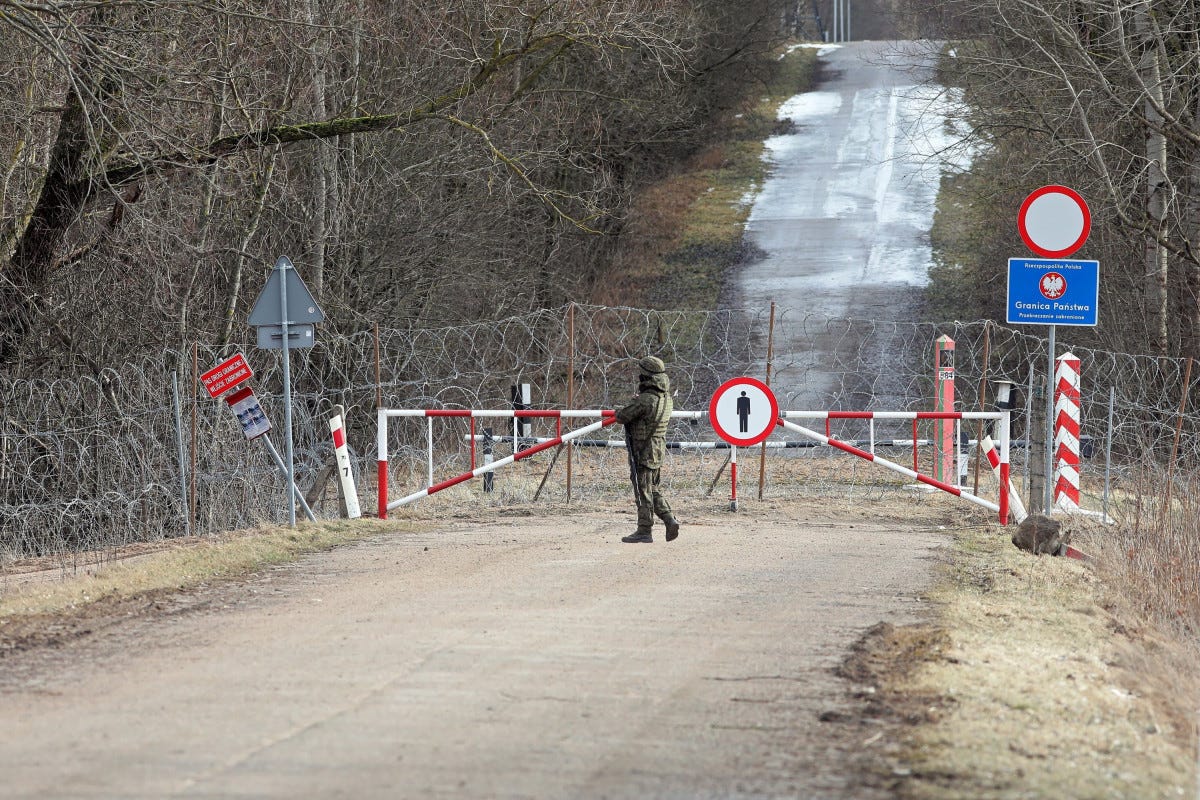
The amended cohesion regulation devotes particular attention to the Union’s eastern border regions neighbouring Russia, Belarus and Ukraine. Recital (7) recognises their “unique security challenges and geopolitical significance” and states that reinforcing local defence capabilities and civil preparedness in these areas is “essential not only to deter external aggression and safeguard European security, but also to support regional development, social cohesion, employment and living conditions.” This marks a shift in the rationale for cohesion funding: border regions are no longer treated solely as disadvantaged territories requiring economic convergence, but as strategic buffers whose resilience is a matter of collective security. The decision to prioritise these areas explicitly links cohesion with geopolitics, embedding territorial solidarity in the Union’s broader security architecture. By naming these border regions directly, the regulation signals that geography and proximity to external threats have become criteria for resource allocation, a precedent-setting development in cohesion policy.
SMEs and Regional Clusters in Europe’s Defence Industry
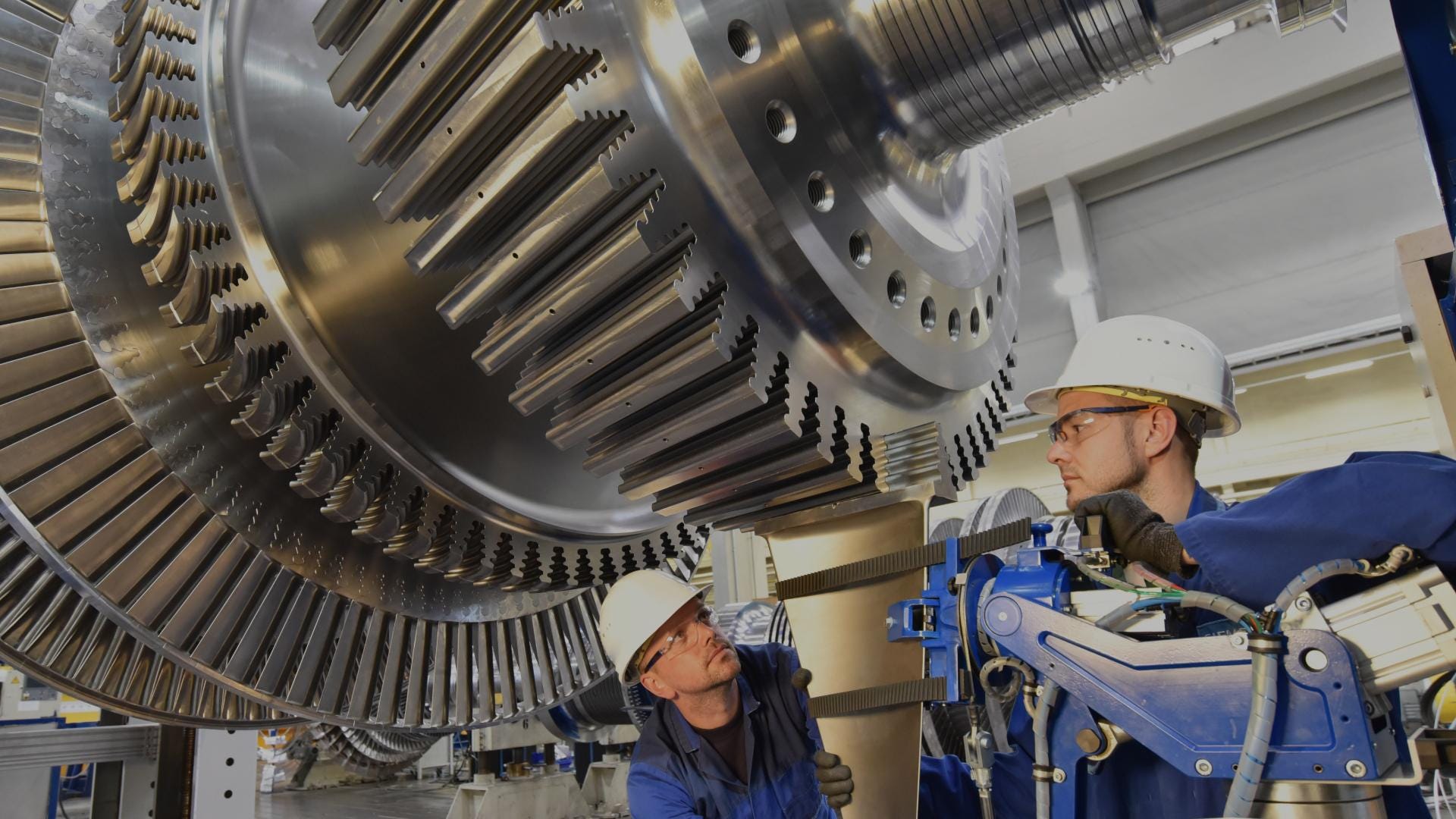
The amended cohesion regulation places strong emphasis on the role of small and medium-sized enterprises (SMEs) and regional clusters in strengthening Europe’s defence capacities. Recital (8) explicitly directs Member States to prioritise projects that promote “employment, skills development and industrial diversification at regional level,” highlighting SMEs and clusters active in dual-use technologies, cybersecurity and artificial intelligence. This provision elevates local innovation ecosystems to a central position within the Union’s defence agenda. It represents a deliberate shift from concentrating resources exclusively in large defence contractors towards a more distributed and inclusive model of industrial development. By formally acknowledging SMEs as key contributors to security, the EU creates pathways for local entrepreneurs, research centres and technology hubs to integrate into defence value chains. This approach broadens participation in the defence sector and strengthens the strategic autonomy of the Union through a diversified industrial base.

Defence Skills and Training through the ESF+ Reform
The 2025 amendment to the European Social Fund Plus (ESF+) represents a decisive step in linking social policy with Europe’s strategic defence needs. Traditionally, ESF+ has focused on social inclusion, employment activation and skills development in line with the European Pillar of Social Rights. With the geopolitical context shifting after Russia’s aggression against Ukraine, the regulation now explicitly incorporates training and re-skilling for the defence sector, including dual-use technologies, cybersecurity and civil preparedness. This integration reflects a recognition that strategic autonomy requires not only industrial capacity but also human capital. By adapting the ESF+ to include defence priorities, the EU ensures that its workforce is prepared for emerging threats and equipped with skills relevant to critical sectors. This reform aligns social cohesion with security resilience, transforming ESF+ into a tool for both prosperity and preparedness.

STEP, IPCEIs and the Alignment of EU Cohesion with Defence Technologies
The 2025 amendments to cohesion policy explicitly align EU structural funds with the Strategic Technologies for Europe Platform (STEP) and with Important Projects of Common European Interest (IPCEIs). Recital (11) states that investments contributing to STEP objectives, including advanced defence and dual-use technologies, should not face limits on ERDF contributions and should qualify for enhanced pre-financing. This change redefines cohesion policy as a catalyst for strategic technologies, encouraging Member States to allocate substantial portions of their cohesion budgets to critical innovation projects. By removing funding ceilings, the regulation enables regions to invest in high-value infrastructure such as R&D centres, pilot production facilities and innovation clusters. The intention is to ensure that local development policies are directly connected to Europe’s technological roadmap, reinforcing the Union’s ambition for strategic autonomy. Cohesion funding is thus repositioned from a purely redistributive mechanism to a driver of long-term industrial leadership.