

Defence Finance Monitor is a specialised source of analysis for professionals who seek to anticipate how strategic priorities shape investment patterns in the defence sector. In a landscape shaped by high-stakes political choices and rapid technological shifts, understanding the link between military doctrine, operational requirements, and industrial policy is not a competitive edge—it is a prerequisite.
We analyse how strategic imperatives set by NATO, the European Union, allied Indo-Pacific democracies, and national Ministries of Defence translate into procurement programmes, innovation roadmaps, and long-term industrial priorities. Rather than listing individual companies, we track how clearly defined strategic challenges—such as deterrence gaps, technological dependencies, or capability shortfalls—are converted into funding schemes and institutional demand. Only companies that respond to these challenges become relevant to institutional buyers and, by extension, to investors. This framework has already enabled a growing community of analysts and financial professionals to make more consistent, risk-aware decisions and to avoid costly misalignments.
Building on this methodology, we are developing a structured database of companies analysed and classified according to the strategic-technological criteria set out in our framework. Subscribing to Defence Finance Monitor therefore provides not only access to in-depth reports, but also to a continuously expanding database of European and allied defence firms assessed against clear benchmarks. Each company is positioned according to its alignment with EU and NATO priority capability areas, its contribution to European strategic autonomy, its level of interoperability and deterrence value, and its role in reducing dependencies on non-allied suppliers. Classification also covers technology readiness levels, participation in EU and NATO programmes, intellectual property assets, and dual-use applications. This allows subscribers to compare, benchmark, and identify the most strategically relevant actors within a coherent, transparent, and decision-oriented taxonomy.
Subscribing to Defence Finance Monitor means gaining access to a strategic intelligence service that connects financial decisions with defence priorities. At the core of our work is a structured database of European and allied defence companies, classified according to strategic-technological criteria such as autonomy, interoperability, deterrence, and supply chain resilience. In today’s environment, profitable investment requires more than market data: it requires understanding how limited public resources are channelled toward specific capability gaps, sovereign technologies, and the reduction of non-allied dependencies. By combining in-depth reports with a continuously expanding company database, Defence Finance Monitor enables investors to anticipate demand, benchmark firms against institutional priorities, and avoid costly misalignments.
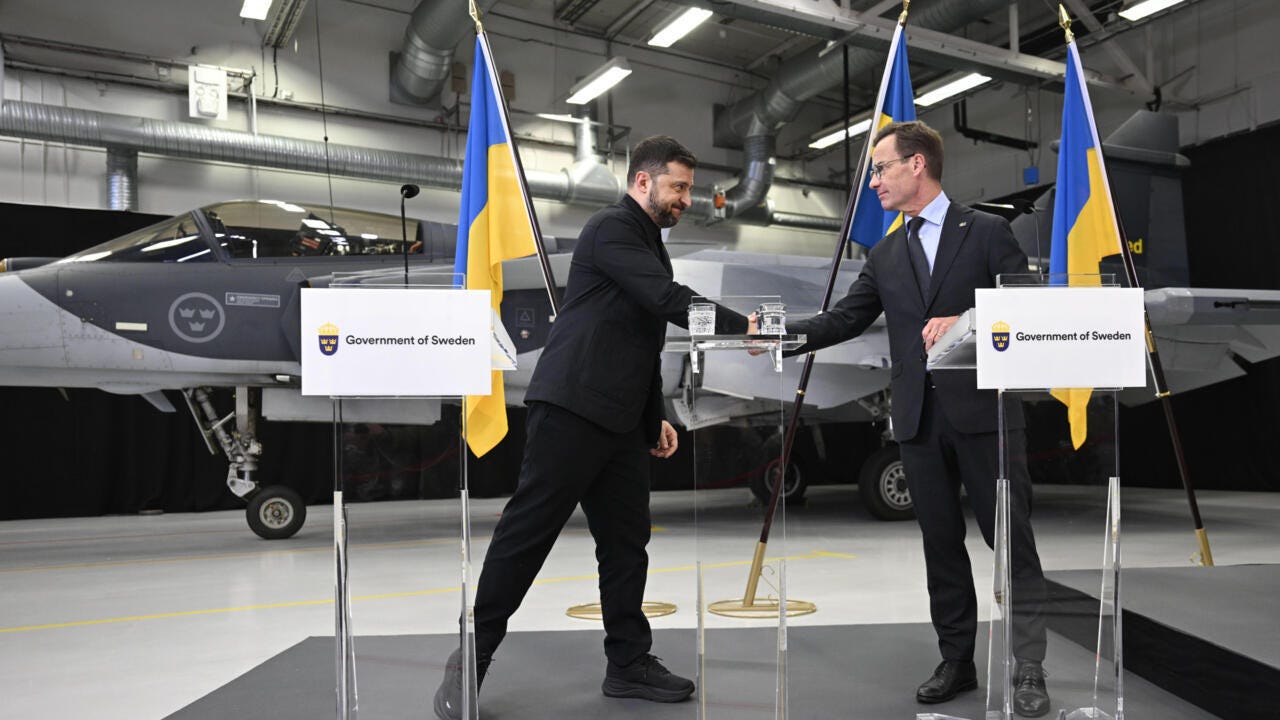
The Industrial Reconstruction of Ukraine and the New Geography of European Defence
The war in Ukraine has reshaped the European defence landscape, triggering a structural transformation of its industrial and technological foundations. The distinction between military and civilian production has largely dissolved, as Ukraine’s survival now depends on integrating innovation, security, and economic development into a single framework. The government’s declared objective is to build a self-sufficient defence complex capable not only of meeting national security needs but also of supplying advanced military technologies to Europe’s allies. With NATO membership still uncertain, President Volodymyr Zelensky’s strategy relies on creating an interlinked network of industrial partnerships that would turn Ukraine from an aid-dependent nation into a producer of strategic capabilities. In this sense, reconstruction is not conceived as a post-war phase but as a simultaneous process of productive conversion and technological consolidation conducted under wartime conditions.
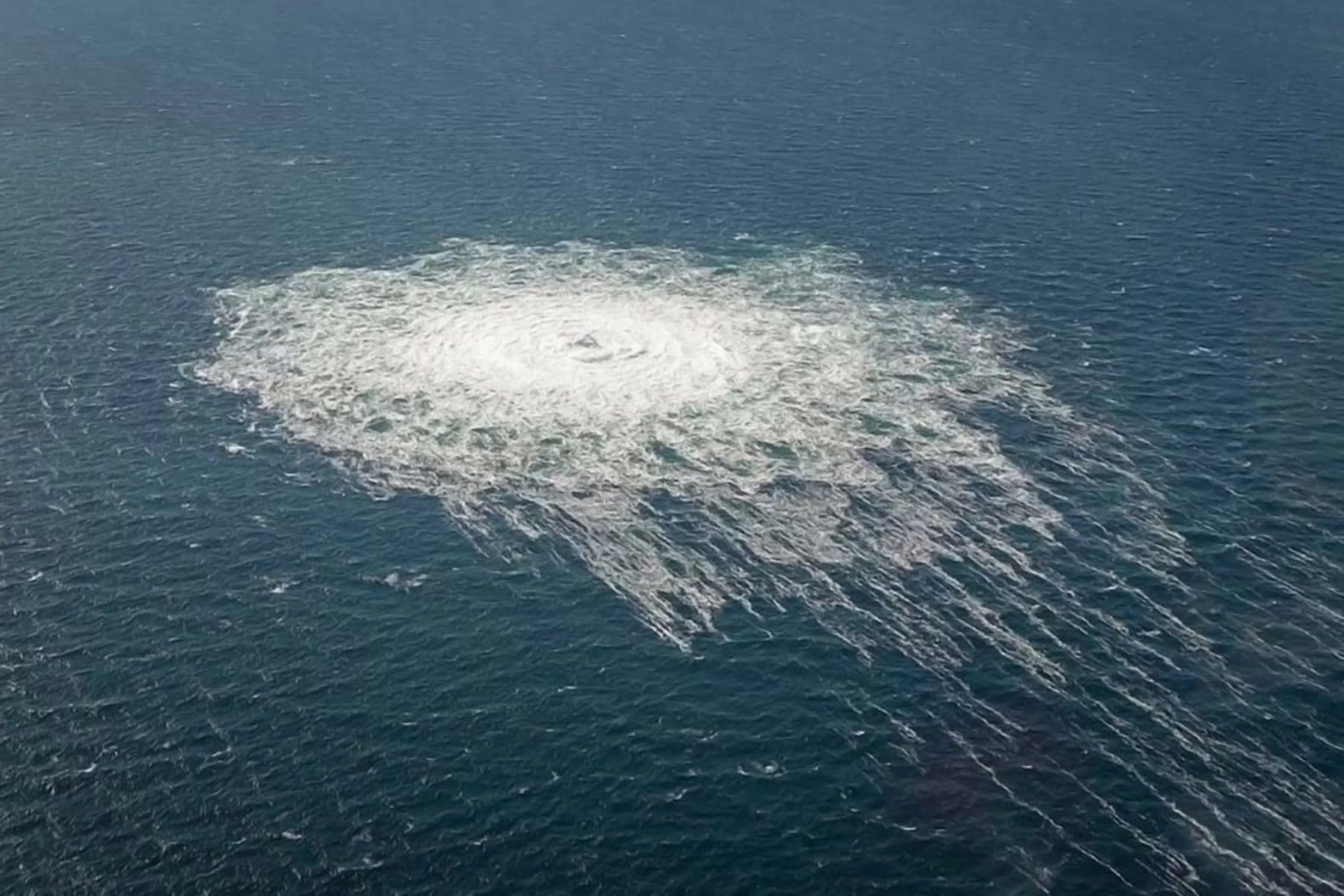
The Submerged Vulnerability: The Baltic as Europe’s New Security Frontier
The security of underwater infrastructure in the Baltic Sea has emerged as a strategic priority for Europe following a sequence of events that revealed the physical and systemic fragility of gas pipelines, power interconnectors, and data cables. The explosions that struck Nord Stream east of Bornholm in September 2022 demonstrated that a few well-placed detonations could trigger cascading effects across energy markets, security protocols, and allied trust, all targeting assets built to be invisible and therefore difficult to monitor continuously. The following year, the damage to the Balticconnector between Finland and Estonia, along with two subsea cables in the eastern Baltic, confirmed that disruption does not require sophisticated military means—civilian platforms or “hybrid” accidents are sufficient to achieve strategic impact. The subsequent investigation into the merchant vessel Newnew Polar Bear—whose anchor was reported lost by Chinese authorities—added a further layer of uncertainty, blurring the line between mishap and deliberate pressure. In a sea dense with infrastructure, attribution becomes complex, insurance coverage uncertain, and the boundary between commercial and coercive activity porous. What emerges is a regime of risk combining intentional threat, technical hazard, and political ambiguity, with direct implications for capital allocation, risk premiums, and the governance of strategic infrastructure.
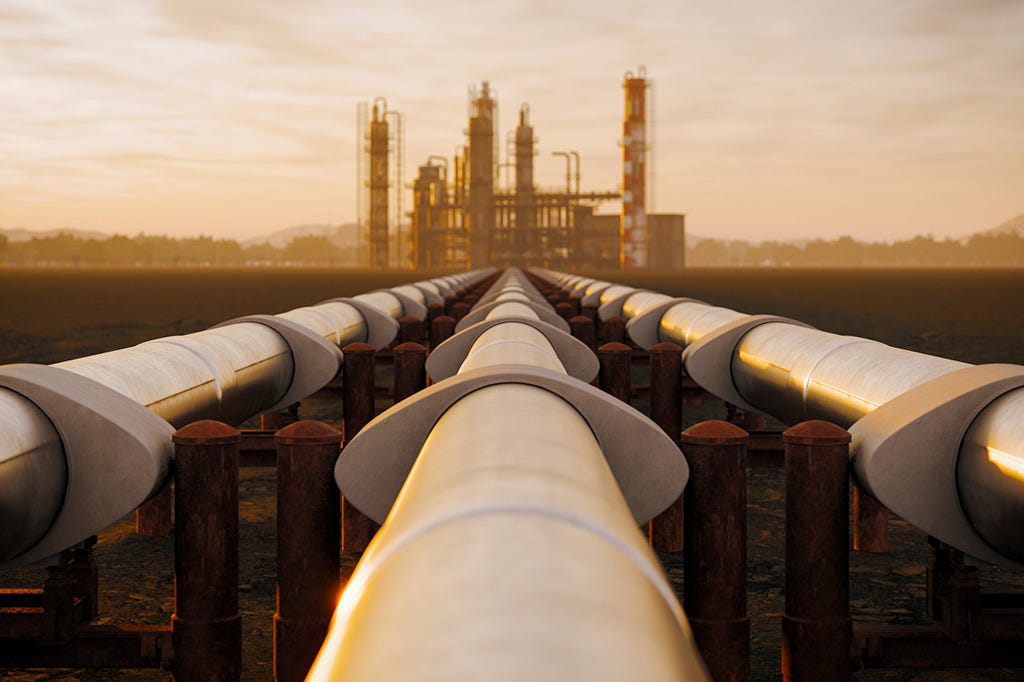
The Baltic Energy Realignment: Security, Industry, and the New Strategic Economy
The energy shock of 2022 triggered a profound structural shift in Europe’s energy landscape, with consequences extending far beyond market volatility. The surge in gas prices at the Dutch TTF hub, initially perceived as a transient crisis, became the catalyst for a strategic decoupling from Russian energy dependence. Within two years, imports from Russia fell from forty percent of Europe’s supply mix to less than ten, forcing a realignment of trade flows, investment patterns, and geopolitical priorities. What began as an emergency response evolved into an industrial reconfiguration, in which security and sustainability became indistinguishable policy goals. The fiscal shock inflicted on Russian exporters, particularly on state-controlled entities that had relied on long-term European contracts, coincided with a surge in infrastructure investment across the Baltic and Nordic regions. Germany’s rapid deployment of floating storage and regasification units, coupled with pre-existing diversification strategies in Finland, Estonia, and Lithuania, prevented the deep recession that many economists had forecasted. The Baltic Sea thus emerged as the proving ground for a new European model that links energy independence, technological innovation, and regional security.