

This special issue of DFM brings together three long-form analyses that examine Russia’s enduring role as a strategic challenge for Europe and the West. The first article explores the structural roots of Moscow’s insecurity and explains why the Russian threat is persistent, sustaining long-term rearmament cycles and predictable demand for defence industries. The second provides a technical assessment of Russia’s conventional, naval, air, and missile forces, highlighting the capabilities that directly threaten European security. The third addresses the Russian concept of victory, showing how resilience, endurance, and the erosion of adversary cohesion define success in Russian strategic culture. Together, these studies demonstrate why Russia remains a lasting factor in global defence planning and why the defence sector continues to represent a structurally stable asset for investors.
Why Russia’s Persistent Vulnerability Ensures Decades of Western Rearmament
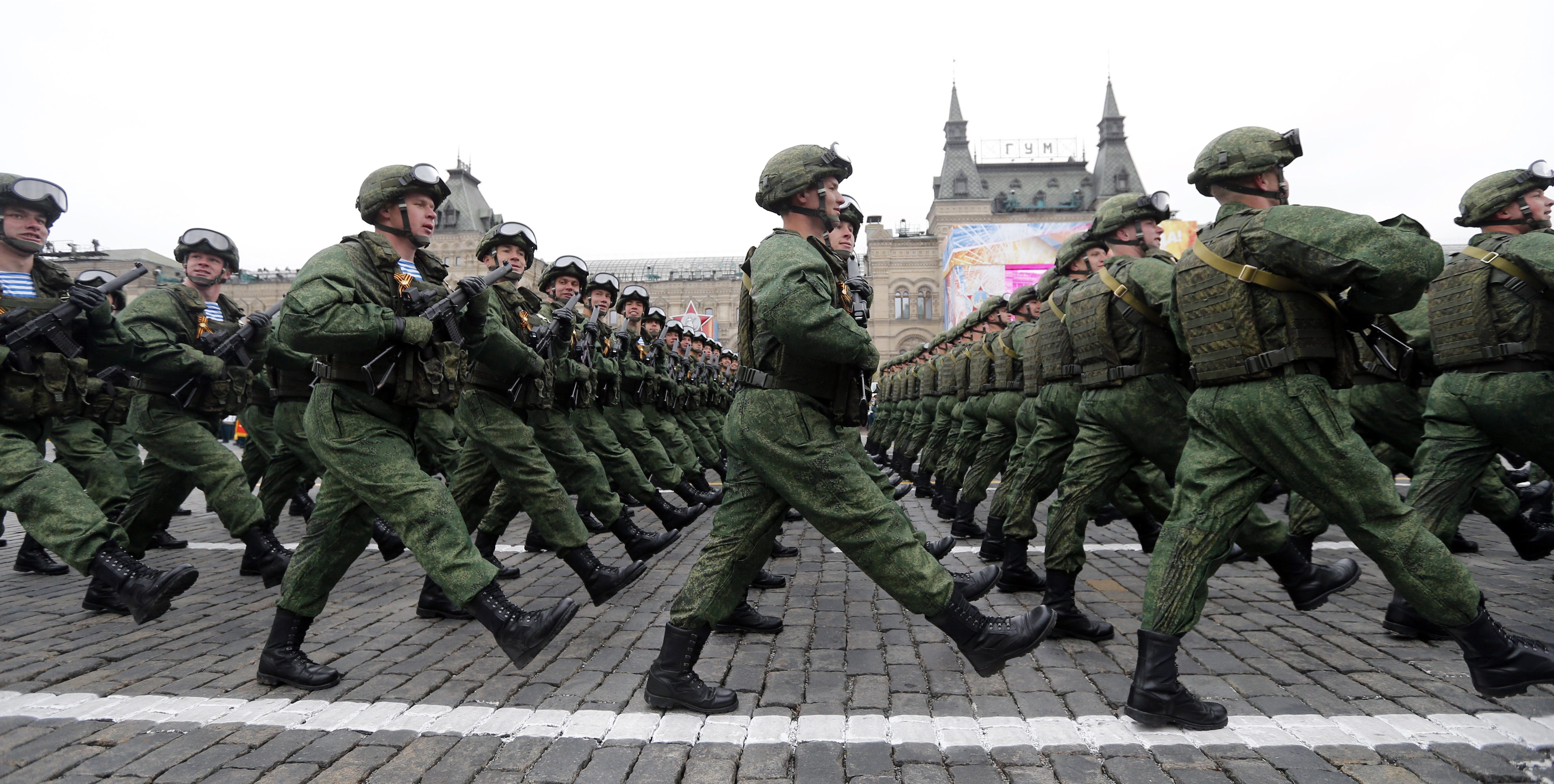
Russian risk should not be framed as a cyclical or episodic threat that rises and falls with leadership changes or discrete crises; it is anchored in structural drivers that are unlikely to dissipate quickly. The country’s strategic culture treats war and security as a continuum rather than an exception, linking military planning to deep perceptions of vulnerability shaped by geography, history, and long-run institutional practice. This lens privileges resilience, depth, and the management of time over rapid, decisive campaigns. The practical implication is that Moscow’s threat profile is not a spike but a plateau: it endures because the underlying variables—exposure on broad frontiers, recurring experiences of invasion, and the conviction that external coalitions will compress its strategic space—do not change fast. For Western policy and markets, this means the demand for credible deterrence is not a one-off procurement pulse but a sustained programmatic commitment. In other words, the persistence of the threat naturally maps onto the long duration of rearmament cycles, which in turn anchors the cash-flow visibility of the defence industrial base. Understanding this structural continuity is a precondition for assessing both geopolitical risk and the durability of defence investment theses.
The Technical-Military Dimensions of the Russian Threat to Europe
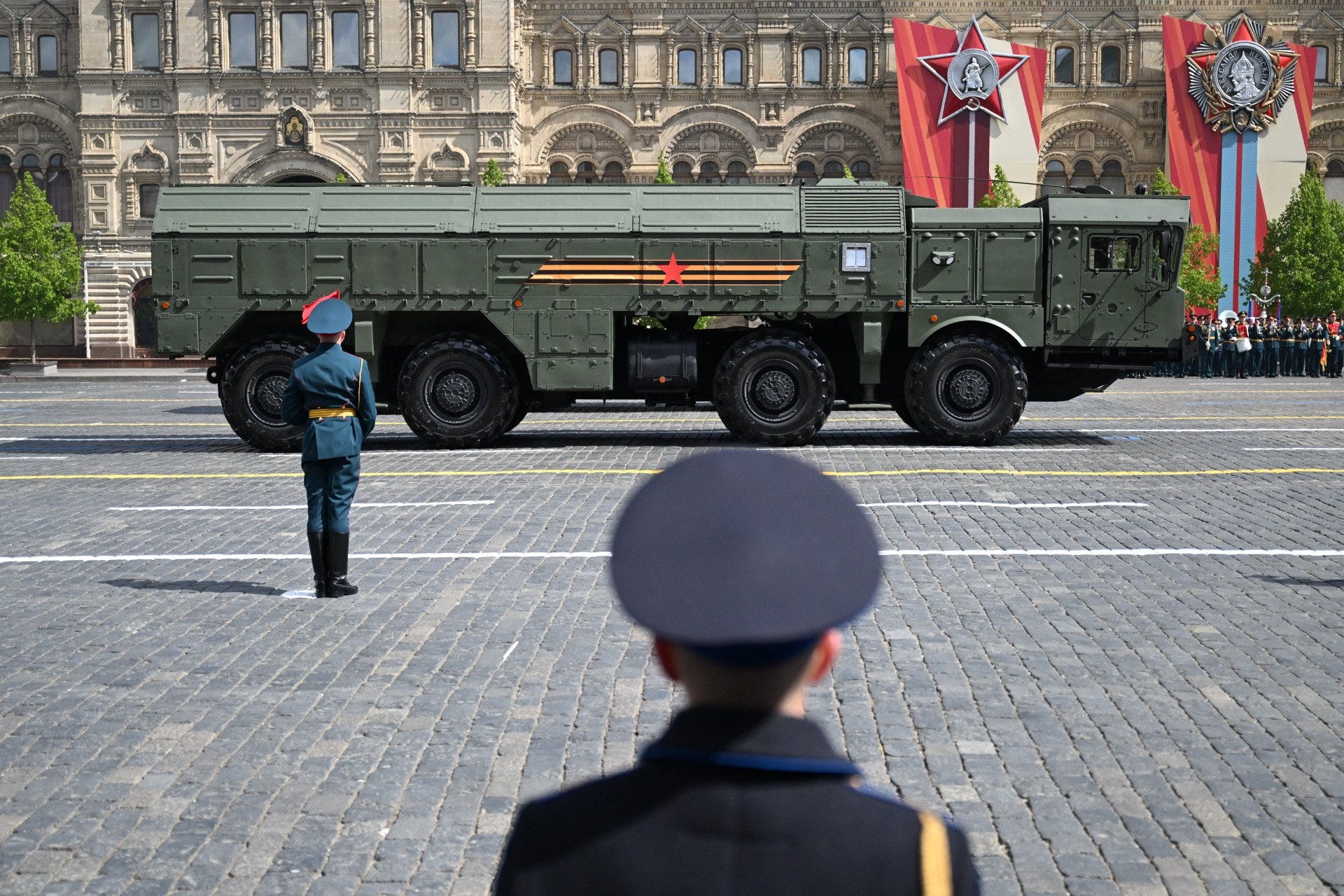
The Russian threat to Europe must be understood not only as a matter of strategic perception or political intent but as a concrete manifestation of military capabilities that can directly challenge European security. Russia maintains a diverse portfolio of forces and weapons systems, structured to impose costs, deny access, and project power beyond its borders. Unlike some adversaries that depend solely on one dimension of strength, Moscow integrates large-scale conventional forces, long-range strike assets, and specialized hybrid tools into a combined architecture that can hold Europe at risk across multiple theatres. The Russian Army remains one of the largest standing land forces globally, with a mobilization capacity supported by extensive reserves, inherited Soviet-era infrastructure, and renewed investment in selected modernization programs. The combination of heavy armour, artillery, and missile brigades creates the foundation for large-scale operations along the European frontier. Understanding this technical order of battle is crucial for evaluating the persistence of Russian military pressure, which, by its very structure, is designed for durability and escalation across time rather than short-lived demonstrations of force.
The Russian Concept of Victory: A Structural Interpretation
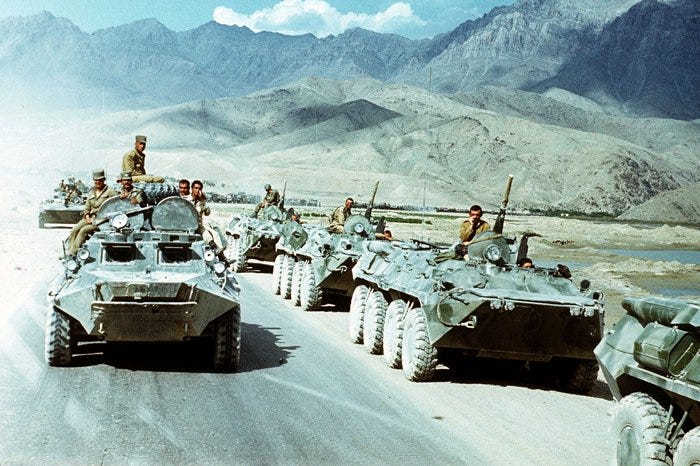
Victory in Russian military thought cannot be reduced to the immediate seizure of territory or the annihilation of enemy forces. Instead, it is conceived as the creation of conditions that guarantee the survival of the state and the reassertion of its strategic position, even after heavy losses or temporary setbacks. Unlike Western doctrines that equate victory with clear, measurable, and rapid achievements—such as regime change, capitulation, or the occupation of a capital—the Russian definition is rooted in continuity, depth, and resilience. It reflects a historical trajectory shaped by repeated invasions, during which survival itself was often the only criterion of success. This perspective explains why Russia interprets conflict as a long-term process, where victory is not an event but an outcome of endurance. In this framework, battles can be lost, territory can be temporarily conceded, and adversaries can claim tactical gains, but ultimate victory is declared when Russia remains intact, its sovereignty preserved, and its adversary weakened or exhausted. This structural view sets Russia apart from adversaries who prioritize speed and visibility over duration and persistence.