

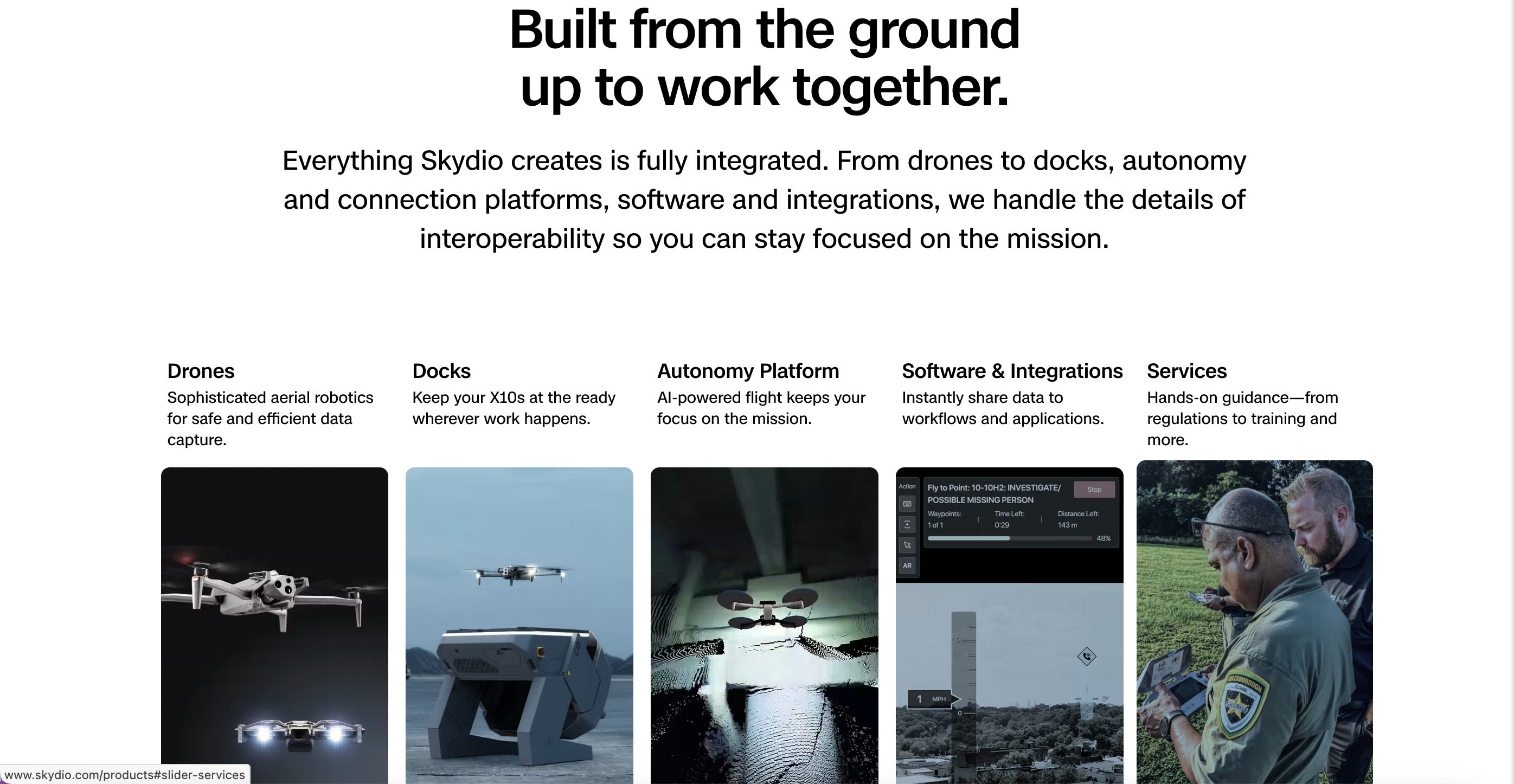
In an era when drones dominate battlefields and security operations, Skydio has emerged as a Silicon Valley pioneer whose technology is quietly redefining autonomous flight. Founded in 2014 by MIT alumni in California, this U.S. drone maker initially made headlines with self-flying “selfie drones” for consumers[1]. Today, Skydio’s AI-powered unmanned aircraft have evolved into sought-after tools for militaries and governments worldwide. European defense planners, grappling with a heavy reliance on foreign drones and concerns over Chinese tech dominance[2][3], have begun to take notice of Skydio. The company’s advanced small drones promise high-performance intelligence and reconnaissance capabilities—offering a Western-made alternative to Chinese systems. As NATO allies push for more secure, interoperable, and resilient tech supply chains, Skydio finds itself at the nexus of transatlantic innovation and European strategic needs. This analysis explores how Skydio’s autonomous drone technology could enhance Europe’s defense autonomy and capabilities, examining its fit within EU priorities, NATO frameworks, and the broader goal of reducing dependencies on non-allied suppliers. The following report uncovers Skydio’s corporate profile, technology portfolio, European engagements, and potential role in strengthening Europe’s security and industrial sovereignty.