

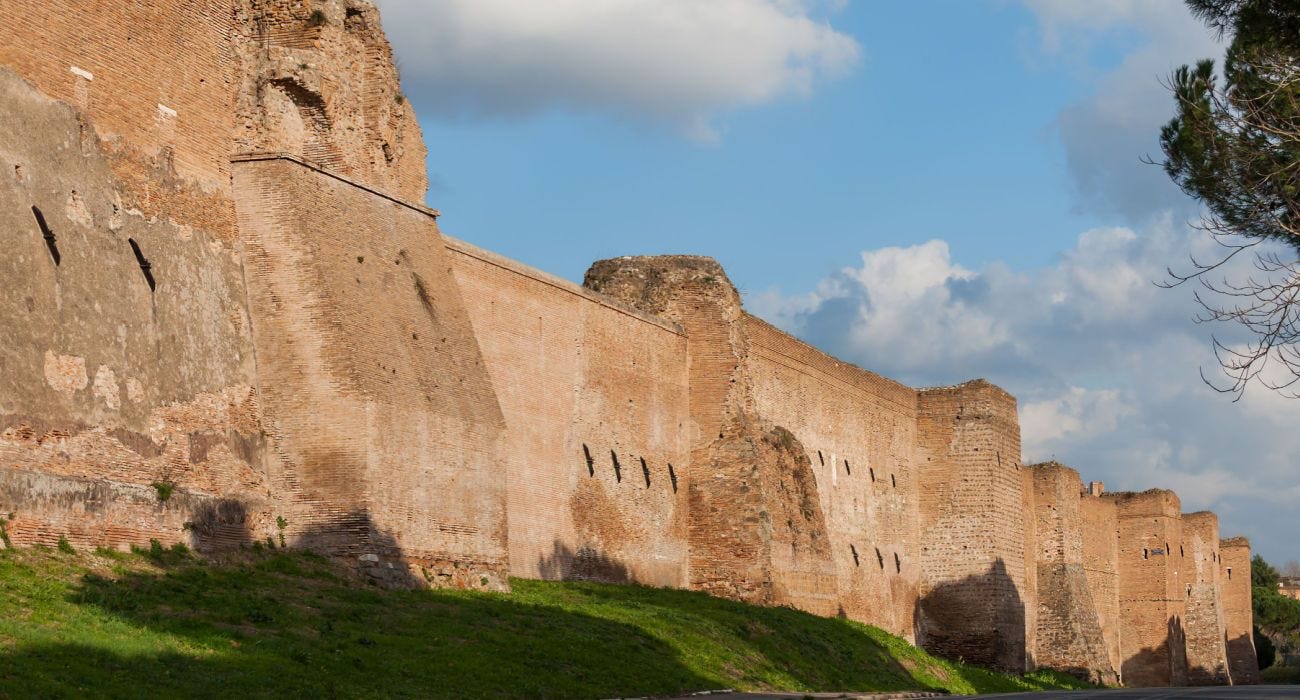
In contemporary European strategic discourse, security is frequently conflated with defense—as if the construction of physical barriers, the deployment of military assets, or the expansion of surveillance capabilities could, in and of themselves, guarantee strategic stability. Yet the historical experience of Rome presents a strikingly different model. In the Roman conception of power, security was not derived from defense but from deterrence. What preserved the city and the empire was not the strength of its walls, but the perception—widely shared and deeply rooted—that any aggression would be met with rapid, overwhelming, and inescapable retaliation. The permanence of Roman power, for centuries, rested not on its static infrastructure but on its dynamic capacity to instill fear. Only when this perception began to weaken did Rome resort to architecture. Fortification was not a means to increase strength—it was a substitute for lost credibility.