

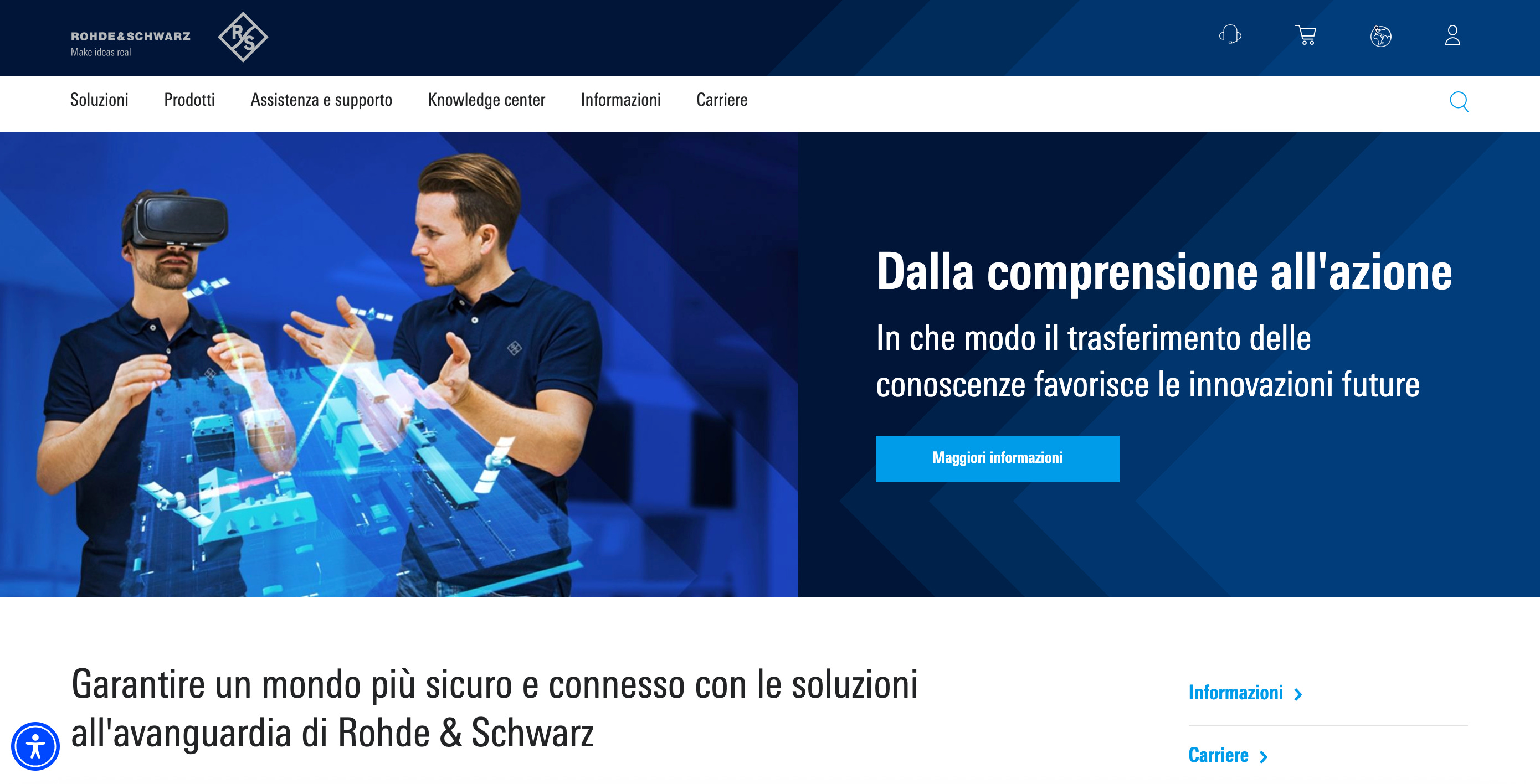
Rohde & Schwarz (R&S) is a long-established German technology firm headquartered in Munich. Founded in 1933 by Dr. Lothar Rohde and Dr. Hermann Schwarz[1], it operates as a private, family-owned engineering group. With about 14,000 employees worldwide[2] and a presence in 70+ countries[3][4], R&S serves both military and civilian sectors. It emphasizes high vertical integration and in-house microelectronics to advance Europe’s digital sovereignty[5][6]. Its divisions span test & measurement, secure communications, radiomonitoring, and cybersecurity[7][8]. Over decades, R&S has built a broad portfolio—from secure software-defined radios to anti-drone systems—that address EU and NATO needs without relying on non-EU suppliers. European Commission initiatives highlight the need for such autonomy: the EU’s “Readiness 2030” White Paper urges member states to pool advanced technology resources in coordination with NATO[9][10]. In this context, R&S exemplifies a pillar of Europe’s defense industrial base. The following sections analyze its corporate profile and technologies in detail, assessing their relevance to EU strategic autonomy, NATO interoperability, deterrence, and supply-chain resilience.