

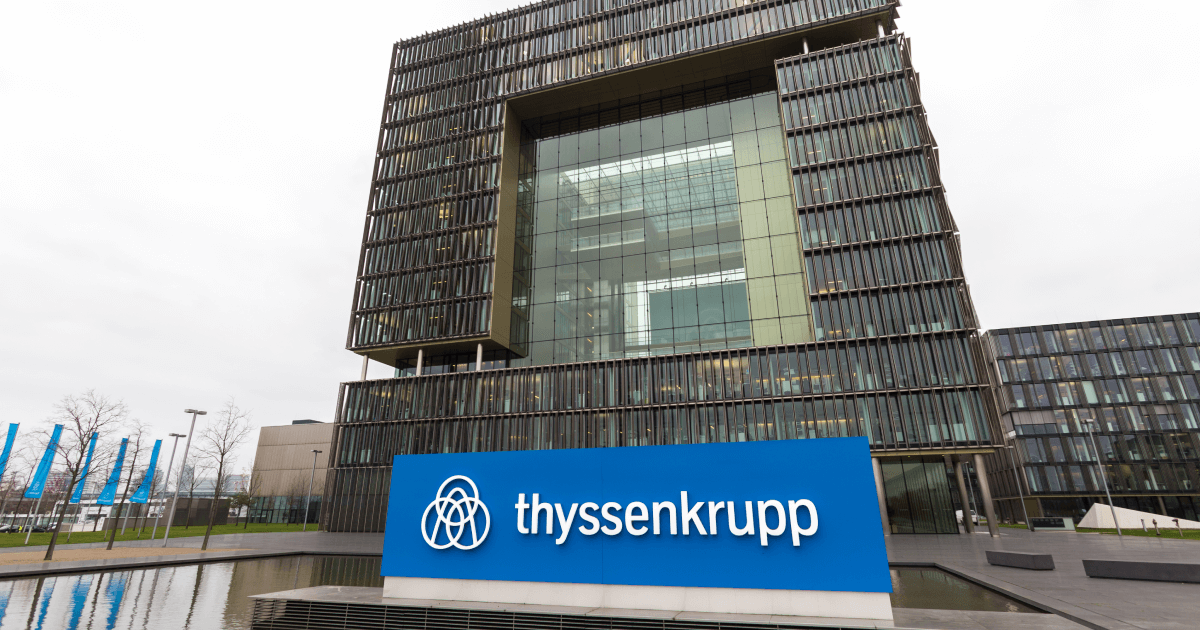
So far in 2025, roughly $790 million has been plowed into European defence industry deals by private investors, a pace that is on track to “match or exceed” last year’s total according to Bloomberg data. This includes acquisitions in areas like components and IT services for defence, as well as bids for core manufacturing. Notably, private equity firm Carlyle – along with German state bank KfW – engaged in talks last year to buy Thyssenkrupp’s Marine Systems (submarine) division. While Carlyle ultimately pulled out in October, that process catalyzed Thyssenkrupp to seek other investors and pursue a spin-off (see below), showing PE interest helped force corporate action. Other examples: In 2022, PE firm Mutares paid a token €1 for Austria’s Steyr Arms and turned it around to become one of Europe’s hottest small-cap defence stocks. And in January, industry sources said multiple companies (including engine-maker Deutz) had submitted offers for Thyssenkrupp’s naval division, indicating financial sponsor interest alongside industrial bidder This influx of private capital signifies a major shift – defence is no longer a “no-go” sector for investors. Geopolitical reality has somewhat neutralized prior ESG concerns, and investors see opportunity: European governments are effectively guaranteed customers, and many defence firms have low valuations relative to their growth prospects. Furthermore, regulators in the UK and EU have clarified that sustainable investment rules don’t prohibit defence exposure, removing a barrier to pension and endowment funds participating. The expectation of “big transactions to come” is rising. We may see private equity consortia bidding for divisions of major primes (e.g., radar or engine units) or taking minority stakes in government-owned defence firms as they open up. The challenge will be navigating government vetting – most countries will scrutinize ownership changes in strategic defence assets – but so far, that hasn’t stopped investors from trying.