

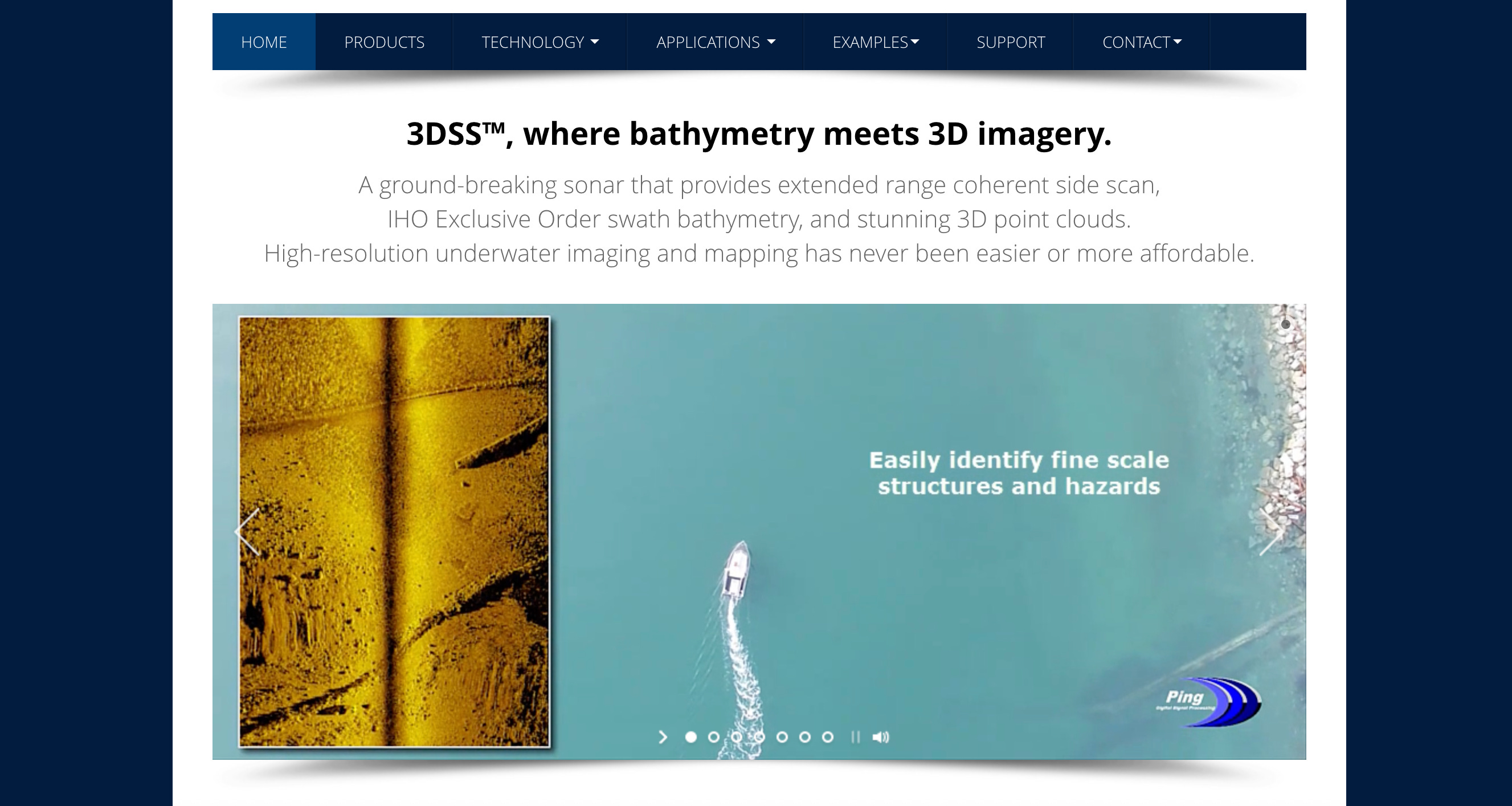
Ping Digital Signal Processing Inc. (PING DSP) is a Canadian innovator in advanced sonar imaging, specializing in multibeam and interferometric side-scan systems for underwater mapping and surveillance. From its base on Vancouver Island’s coast, the company has quietly developed a groundbreaking 3D sonar technology that can capture high-resolution images of the seabed and water column in shallow waters[1]. Now part of Norway’s NORBIT ASA group, PING DSP straddles transatlantic collaboration and European industrial integration. Its signature product – the 3DSS sonar – produces vivid three-dimensional point clouds of underwater environments, offering capabilities highly relevant to port security, mine countermeasures, and critical undersea infrastructure monitoring. As Europe awakens to threats against subsea cables and pipelines, PING DSP’s technology presents a timely, sovereign-friendly solution for persistent undersea surveillance. This introduction sets the stage for an in-depth analysis of how a niche Canadian deep-tech startup, now under European ownership, could enhance European strategic autonomy beneath the waves.