

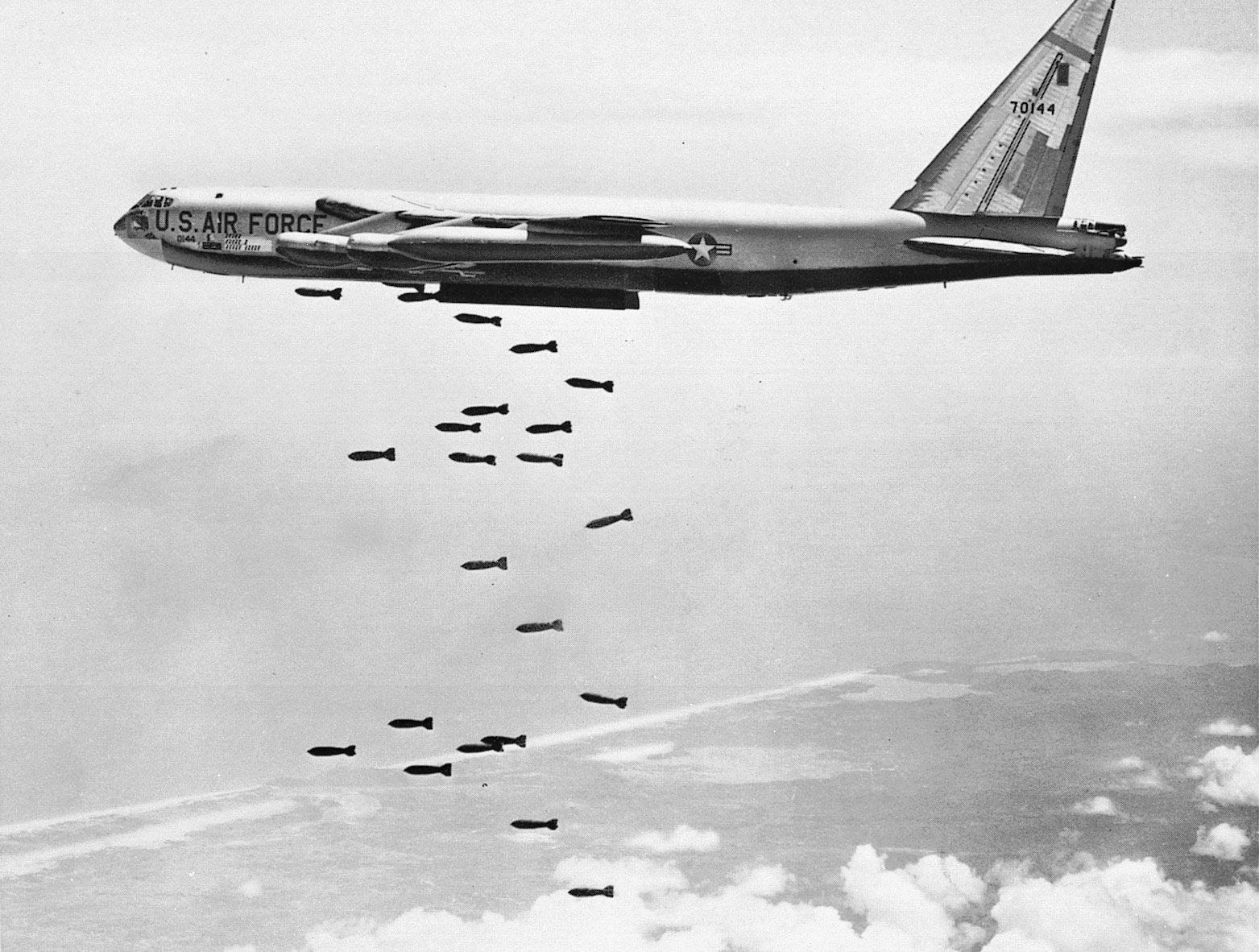
Operation Chrome Dome was one of the most ambitious and controversial strategies implemented by the United States Strategic Air Command (SAC) during the Cold War. Introduced in the early 1960s, it required a significant portion of the B-52 strategic bomber fleet, armed with thermonuclear weapons, to remain permanently in flight along predetermined routes. The primary objective was to guarantee the survivability of a retaliatory nuclear strike even in the event of a surprise attack by the Soviet Union. At that time, the Soviet demonstration of launching Sputnik into orbit had made clear that Moscow already possessed missile vectors capable of striking directly at U.S. territory. By contrast, the United States still relied heavily on strategic bombers, which were vulnerable if caught on the ground. Chrome Dome was designed to address this vulnerability, embodying the logic of permanent deterrence. The message was unambiguous: even in the event of a devastating Soviet first strike, part of America’s nuclear force would already be airborne and ready to respond immediately.