

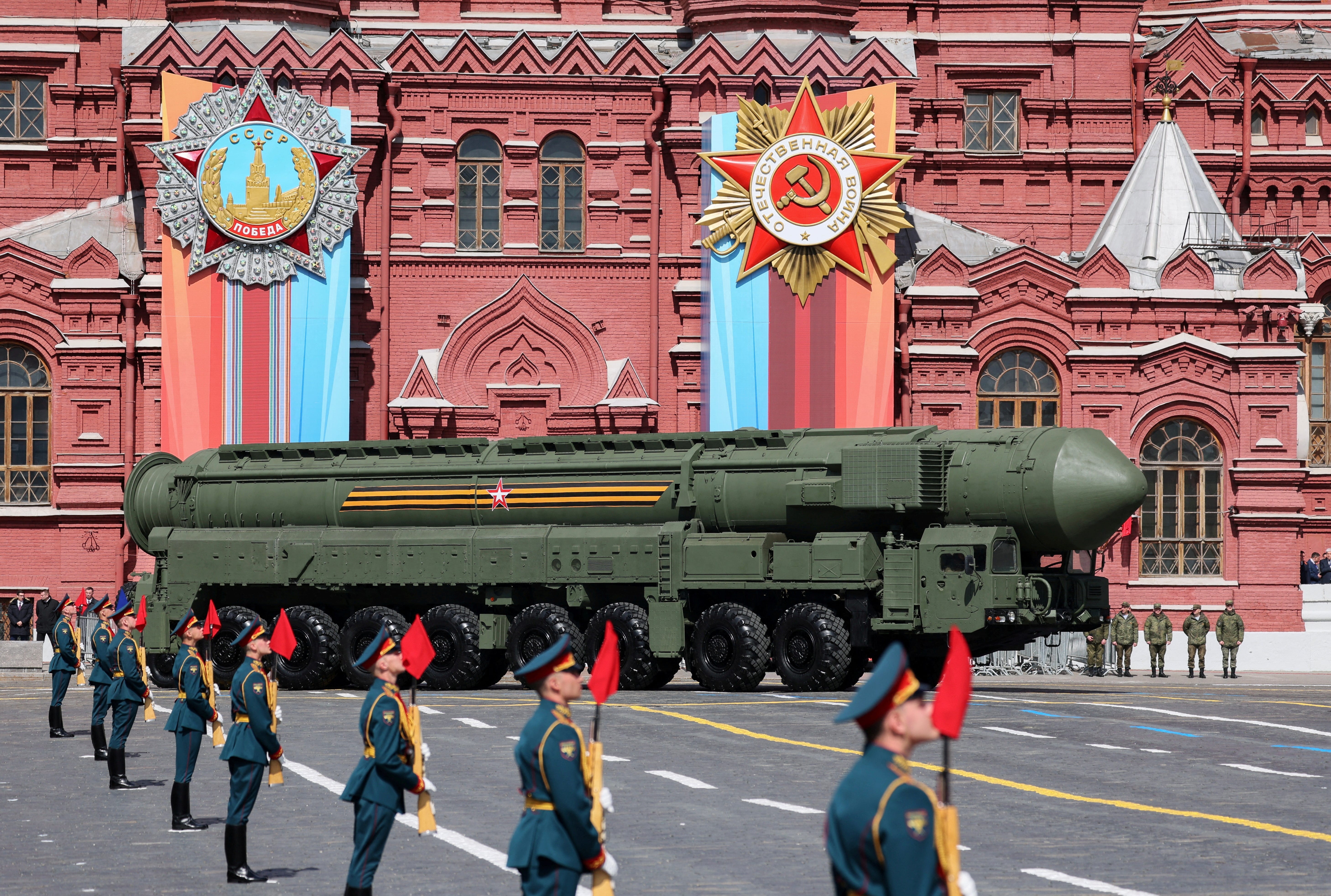
The advent of nuclear weapons radically transformed the conception of security and warfare. Before 1945, war was seen as an extreme but limited means, where victory could be achieved through the destruction of military forces or the occupation of territory. The emergence of nuclear and later thermonuclear weapons shattered this premise: the destructive capacity was such that the very notion of victory became inconceivable. Strategy could no longer be based on the conduct of war but on the prevention of its outbreak. Out of this rupture emerged deterrence, understood as the ability to influence adversary behavior through the threat of use rather than actual employment. Nuclear weapons became political instruments as much as military ones, their function tied to the management of fear, the credibility of threats, and the preservation of an unstable but enduring equilibrium. Understanding nuclear strategy thus requires analyzing how world politics attempted to stabilize instability itself.