

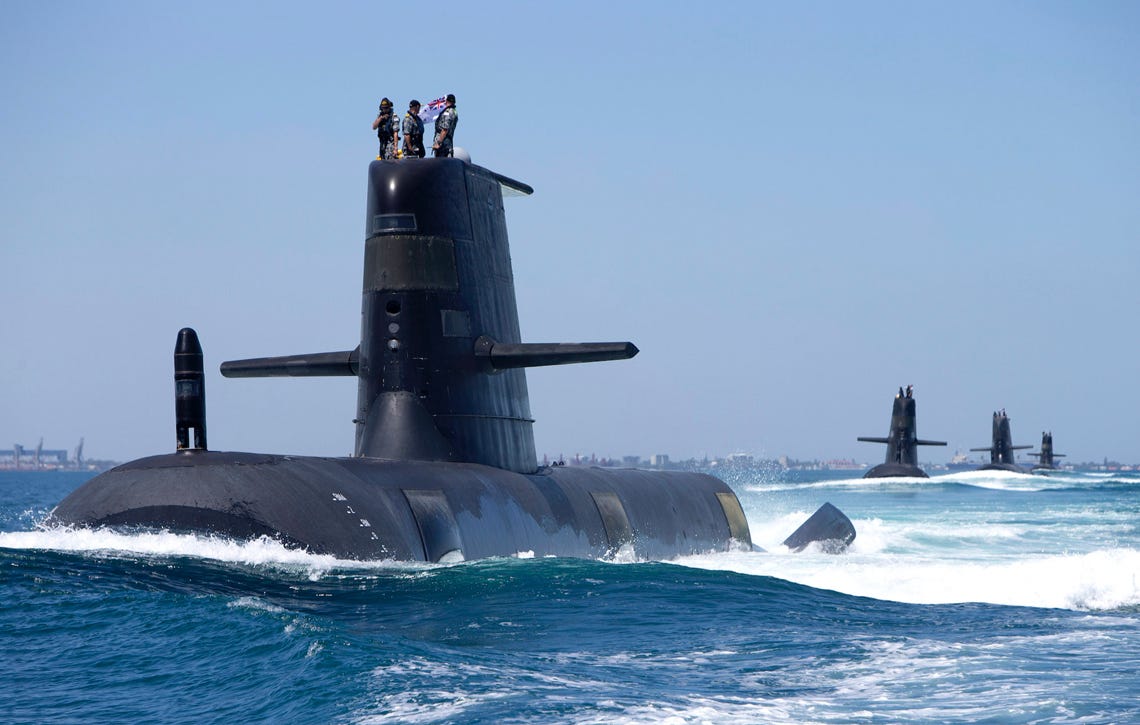
The naval dimension of the Indo-Pacific has become inseparable from the dense network of alliances and partnerships that seek to manage China’s maritime rise and safeguard freedom of navigation. Unlike the bipolar naval contest of the Cold War, the Indo-Pacific today is marked by a multiplicity of actors whose cooperation is shaped by different histories, interests, and levels of commitment. The United States remains the central hub, but its effectiveness increasingly depends on its ability to weave together coalitions that extend across Asia and into the wider Pacific. Japan, Australia, India, and the United Kingdom play critical roles in this architecture, and smaller regional states also contribute through hosting bases, participating in exercises, and aligning with initiatives designed to maintain a rules-based maritime order. What emerges is a complex web of overlapping agreements, neither a rigid alliance system nor a loose collection of ad hoc partnerships, but something that reflects the fluidity and uncertainty of the Indo-Pacific itself.