

NATO’s reliance on the United States for long-range missile capabilities has become a critical concern as Russia expands its arsenal. According to U.S. Major General John Rafferty, Moscow’s growing investment in long-range rockets and advanced air defences highlights the urgent need for NATO to increase its own capacity. Speaking from a military base in Wiesbaden, Germany, Rafferty stressed that Russia's armed forces are now larger and better equipped than at the start of the war in Ukraine, and that credible deterrence will require significant reinforcement of long-range strike systems within the alliance.
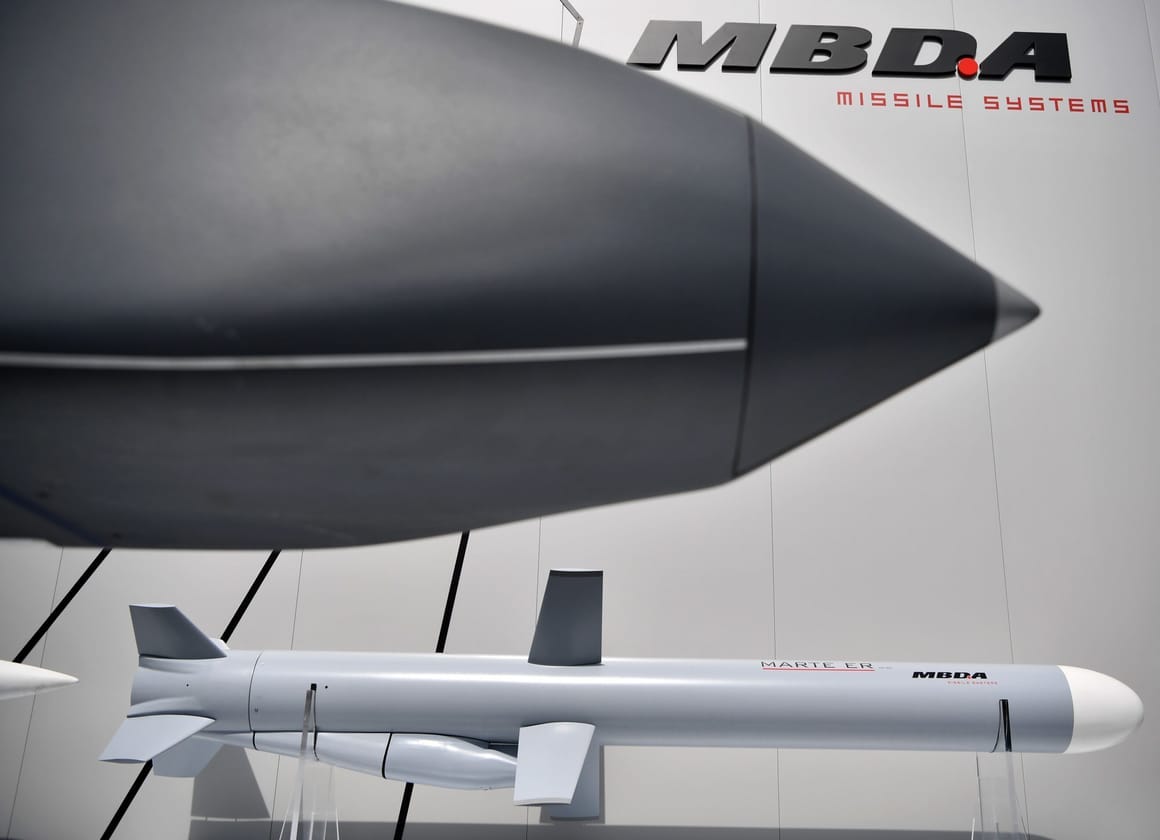
The war in Ukraine has demonstrated the decisive role of long-range precision weapons in targeting enemy infrastructure deep behind the front lines. Russia’s continued use of these systems has underscored a strategic imbalance, with Kyiv and its European backers often outmatched in range and volume. Currently, the United States is estimated to provide about 90 percent of NATO’s long-range missile capabilities. European systems, such as the Storm Shadow, Scalp, and Taurus cruise missiles, remain limited in both range and quantity, placing greater pressure on U.S. contributions to maintain credible deterrence.
To address this gap, the United States plans to deploy long-range missiles on European territory beginning in 2026. The initiative, agreed under the Biden administration, includes the deployment of Tomahawk cruise missiles and the hypersonic Dark Eagle system. However, with a change in U.S. leadership, questions have emerged in Berlin about the continuity of the plan. German Defence Minister Boris Pistorius is expected to seek assurances from U.S. Secretary of Defense Pete Hegseth about whether the prior agreement will be honoured by the Trump administration. Clarity on this point is seen as essential for European planning and alliance cohesion.
Meanwhile, several European countries are initiating their own programmes to reduce dependence on American capabilities. The European Long-Range Strike Approach (ELSA), which includes France, Germany, Italy, Poland, Britain, and Sweden, is aimed at developing new ground-launched missiles with extended reach. In May 2025, Germany and the United Kingdom announced a joint project to develop a system with a range exceeding 2,000 kilometres. These efforts, while significant, will take years to reach operational maturity and will not provide an immediate substitute for U.S. systems already in development or deployment.
Russia has criticised these NATO plans as escalatory and dangerous, framing them as a direct threat to its national security. Moscow continues to reject the idea that it poses a military risk to alliance members, while also citing NATO enlargement as one of the motivations for its 2022 invasion of Ukraine. Against this backdrop, NATO’s missile posture is becoming a central issue in the broader contest over strategic stability in Europe. The alliance’s ability to project deterrence at long range is now understood not as a secondary capability, but as a core requirement in facing a resurgent and militarised Russia.