

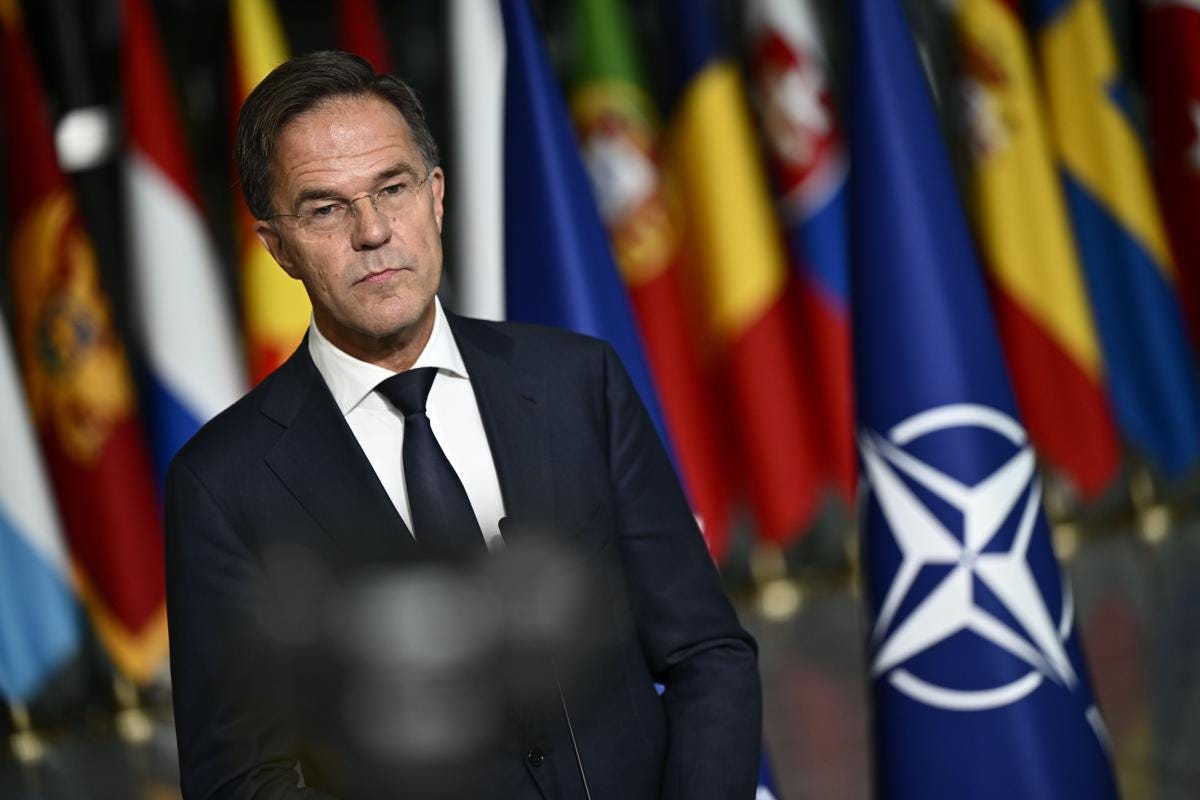
Allied leaders are not just setting higher spending targets; they are also pooling resources in new ways. Notably, NATO established the NATO Innovation Fund (NIF) – the world’s first multi-sovereign venture capital fund – which became operational in 2023 and announced its first investments in February 2025. The €1 billion fund, backed by 22 member nations, invests in startups developing “dual-use” emerging technologies (AI, quantum computing, new materials, etc.) that could have defence applications. By seeding such firms, NATO hopes to ensure the Alliance maintains a tech edge and that critical innovations are developed within (or friendly to) NATO, rather than by potential adversaries. This is a form of institutional support that leverages private-sector innovation for security ends – and it also indirectly benefits the defence industry by creating future suppliers and solutions for military customers. NATO is also coordinating multi-national capability projects: for example, several NATO countries launched a joint “air defence procurement pool” to acquire Patriot or other systems together, and a 20-nation consortium is working via NATO to jointly purchase at least 1 million artillery shells for Ukraine and stockpiles. These initiatives come with common funding or U.S. financial support (for Ukraine replenishment), which effectively injects capital into the European defence sector in a coordinated way. From a regulatory perspective, NATO’s imprimatur can simplify procurement rules among allies – equipment swaps and cross-border contracting have been made easier under NATO frameworks since the Ukraine war (e.g., Germany can finance Czechia to send older tanks to Ukraine, with Germany later backfilling Czechia’s inventory – all facilitated by NATO/EU agreements). Furthermore, political pressure from NATO is leading institutions like the EU to enact the spending-friendly policies noted. Secretary-General Rutte’s engagement with CEOs to convey future demand expectations is also novel – effectively regulatory signaling that firms should expand capacity. In summary, NATO’s role as a coordinating institution is translating into both innovative funding channels (like the NIF) and streamlined multi-country procurements, all of which provide a more predictable and supported environment for the defence sector to flourish.