

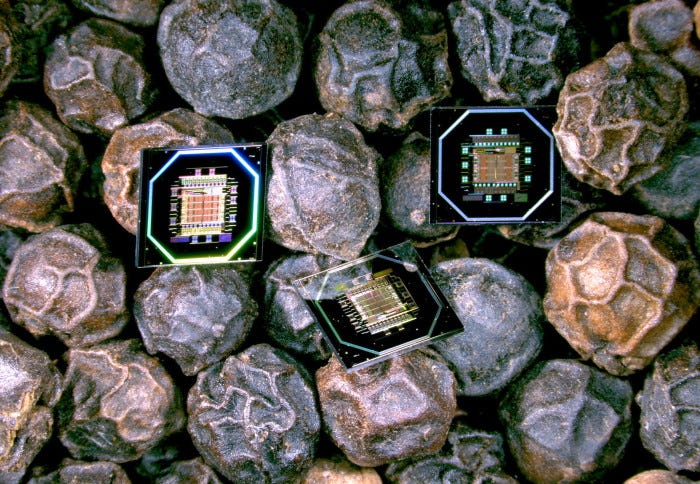
Neural implants are on the verge of a revolution—and a small European deep-tech company is quietly at the forefront. MintNeuro, a spin-off from Imperial College London, is designing bespoke semiconductor chips “smaller than a grain of rice” to radically miniaturize brain implants[1]. Today’s neural devices can treat conditions like Parkinson’s or epilepsy, but they remain bulky, power-hungry and expensive, often requiring invasive surgery[2]. MintNeuro’s founders saw an opportunity to upend this status quo by rethinking the electronics inside these implants. By combining Europe’s strengths in microelectronics and neuroengineering, the company has created ultra‐low-power ASIC chips purpose-built for the brain, aiming to make advanced neurotechnology more accessible[3][4]. This bold intersection of semiconductors and biotech has implications beyond medicine. In an era when Europe seeks strategic autonomy in critical technologies, MintNeuro’s innovation hints at dual-use potential—from enhancing soldier resilience to reducing dependency on foreign microchips. The following analysis delves into how this young company’s “brain-on-a-chip” platform could strengthen Europe’s technological sovereignty and defense capabilities, all while transforming patient care.