

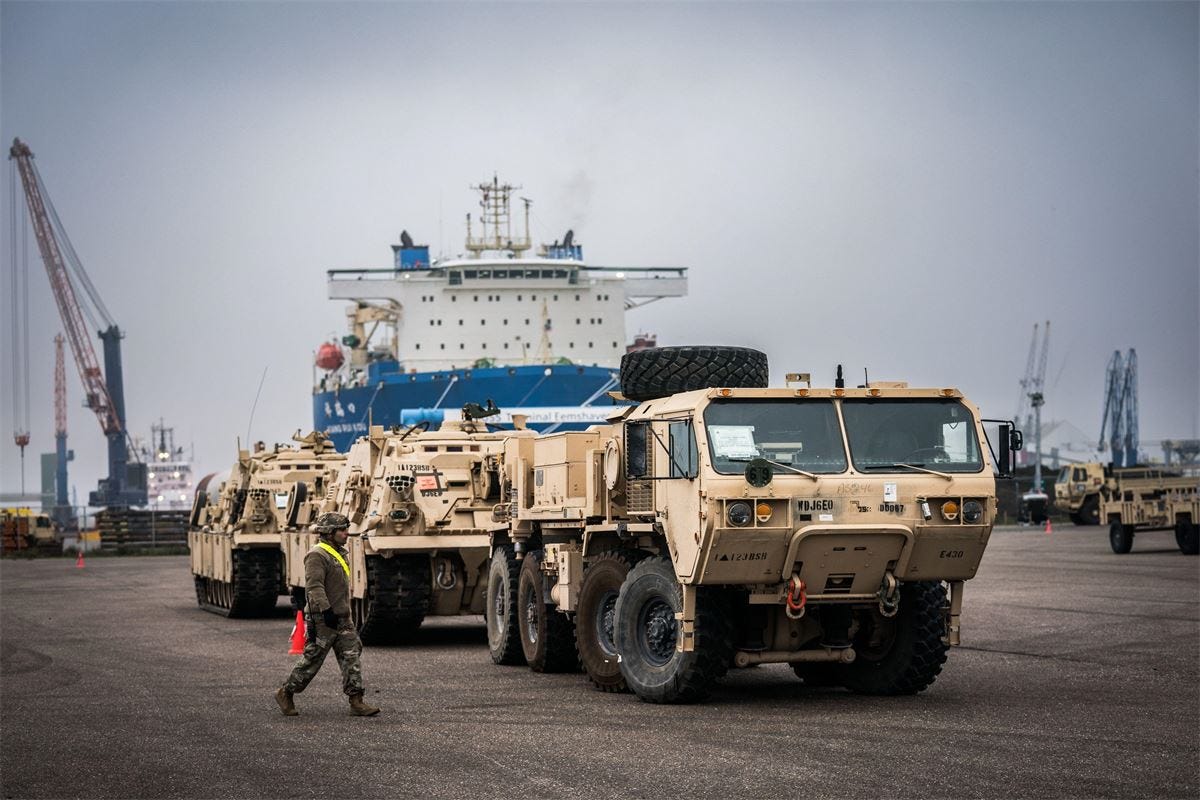
Europe’s security landscape is undergoing a radical transformation, making rapid troop movement across borders a strategic necessity. The "Military Schengen" initiative is bridging the gap between national defense and civilian infrastructure to ensure NATO readiness. This transition from voluntary cooperation to binding EU regulations creates a massive shift for the logistics and transport sectors. Corporate leaders must now adapt to dual-use infrastructure requirements, aligning their assets with new EU-NATO strategic corridors. Beyond defense, this framework unlocks unprecedented access to sovereign funding and long-term co-investment opportunities. Digitalized customs, expedited permits, and "green lanes" are redefining efficiency for cross-border transport operations in 2026. For logistics hubs and infrastructure managers, military-readiness is becoming a prerequisite for both security and growth. Aligning with these standards mitigates geopolitical risk while securing a competitive edge in the evolving Allied ecosystem. Investors and CEOs are increasingly viewing defense resilience as a core component of sustainable asset valuation. The evolution of Military Mobility is fundamentally rewriting the rules of European logistics and finance, establishing a new paradigm for strategic infrastructure and long-term asset valuation.