

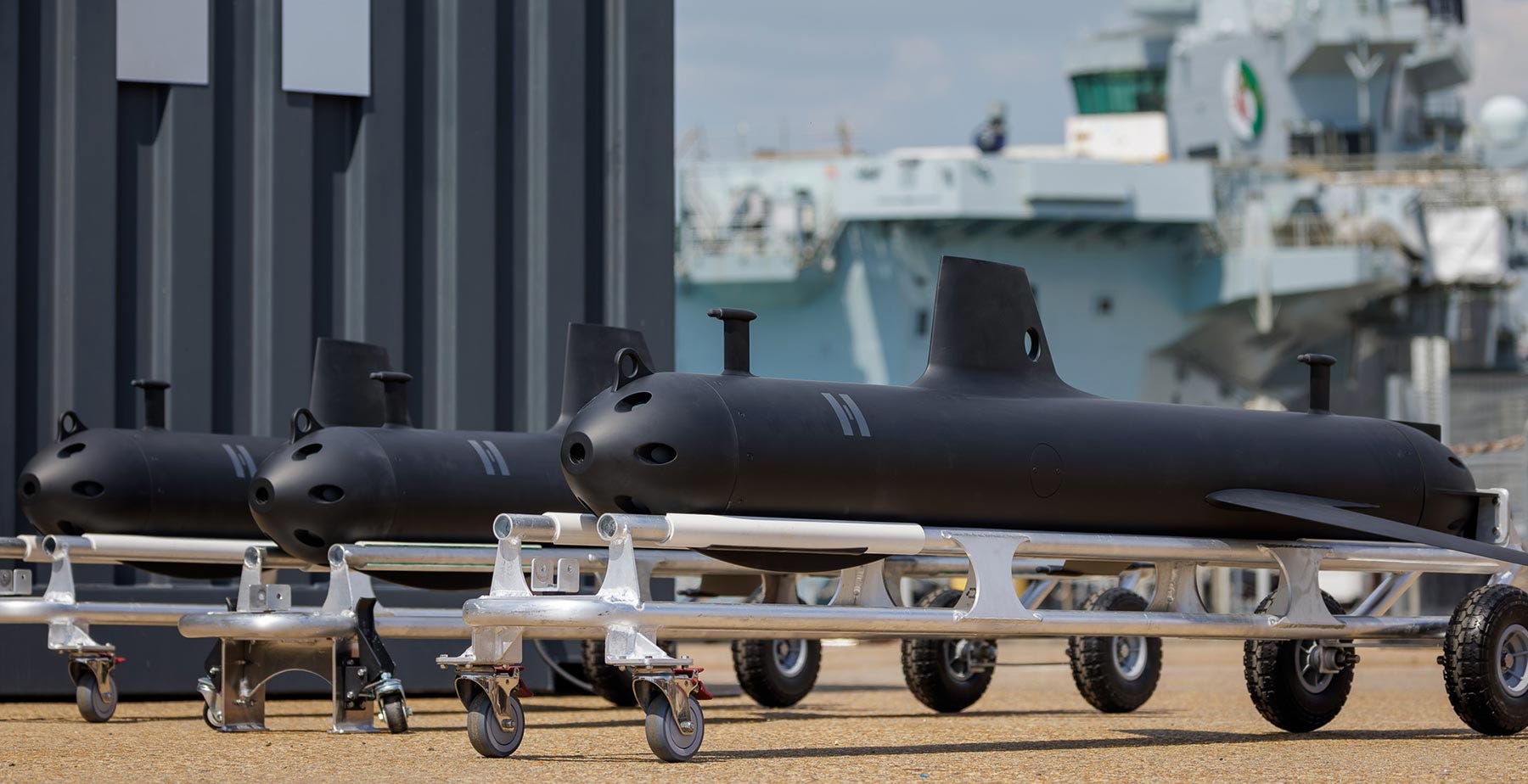
Artificial intelligence has moved from experimental add-on to a central determinant of military advantage. Nations are now competing not only in platforms and firepower, but in how quickly and reliably their forces can interpret complex environments, coordinate across domains and act under pressure. What distinguishes defence AI from its civilian counterpart is not sophistication alone, but the demands of contested, adversarial conditions: systems must operate through cyber disruption, electronic interference and incomplete information, delivering insight without eroding human judgment or legal responsibility. Across NATO and allied democracies, this shift is reshaping investment, doctrine and procurement priorities, as governments look to integrate commercial innovation while hardening it for operational use. For professionals who follow the intersection of technology, security and strategy, understanding this transition is becoming essential. It influences capability development, industrial direction and the tempo at which modern militaries can credibly deter and respond. This report examines the forces now driving defence AI forward and the implications for those who must navigate its strategic and operational consequences. Subscribers gain access to the full analysis.