

Introduction
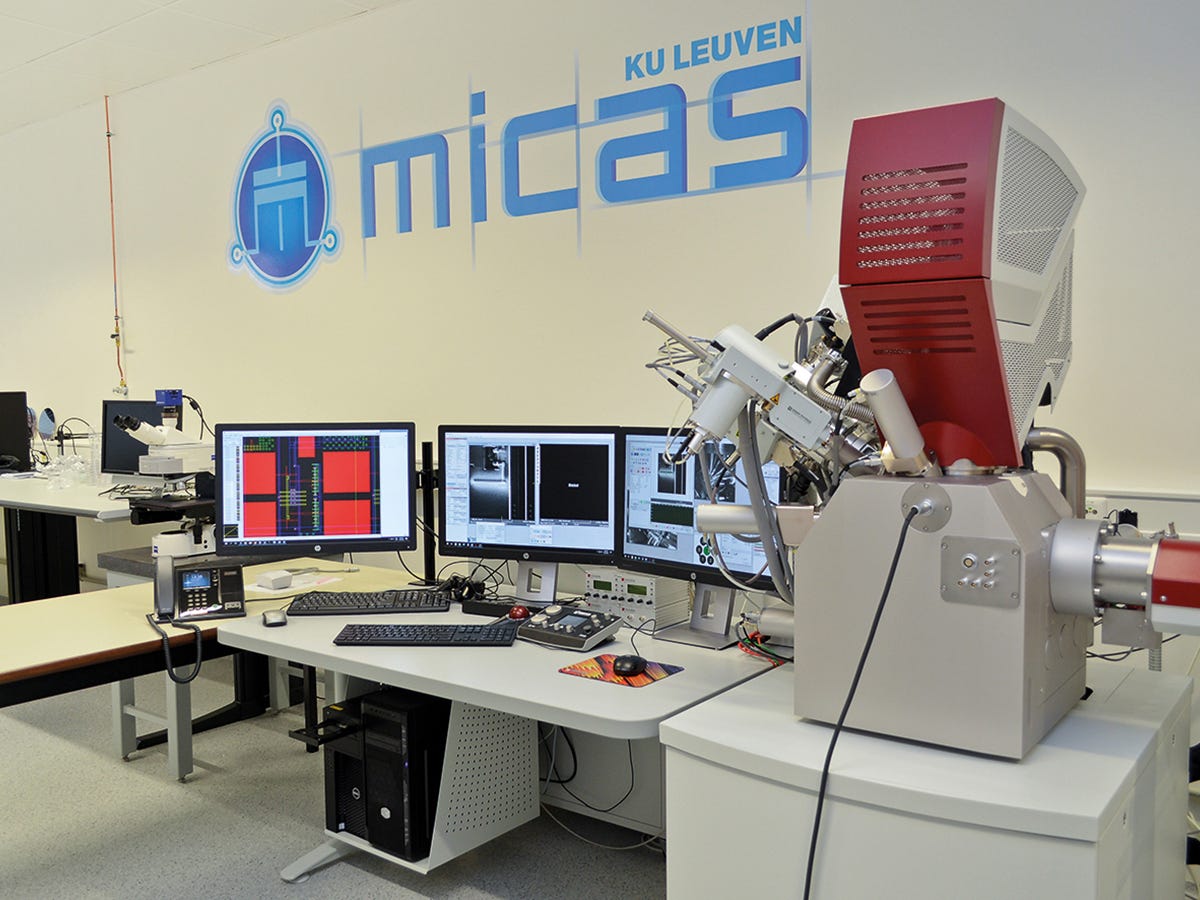
In the heart of Belgium, a small research-driven organization is quietly shaping Europe’s high-tech future. MICAS – a microelectronics center at KU Leuven – is not a household name, yet its innovations power critical systems from satellites to medical devices. This academic hub has spun off multiple companies that design specialized chips, helping Europe reduce reliance on foreign semiconductor suppliers. At a time when the EU aims to double its share of global chip production from 10% to 20% by 2030, MICAS exemplifies the continent’s drive for technological sovereignty. By pioneering radiation-hardened circuits, precision sensors, and AI accelerators on European soil, it aligns closely with EU strategic autonomy goals. The following analysis explores how MICAS and its spin-offs contribute to European defense and dual-use capabilities – bolstering NATO interoperability, enhancing deterrence, and strengthening supply chain resilience – all while rooted in a collaborative university ecosystem. This deep dive will reveal an uncelebrated but crucial asset in Europe’s quest for technological independence.