

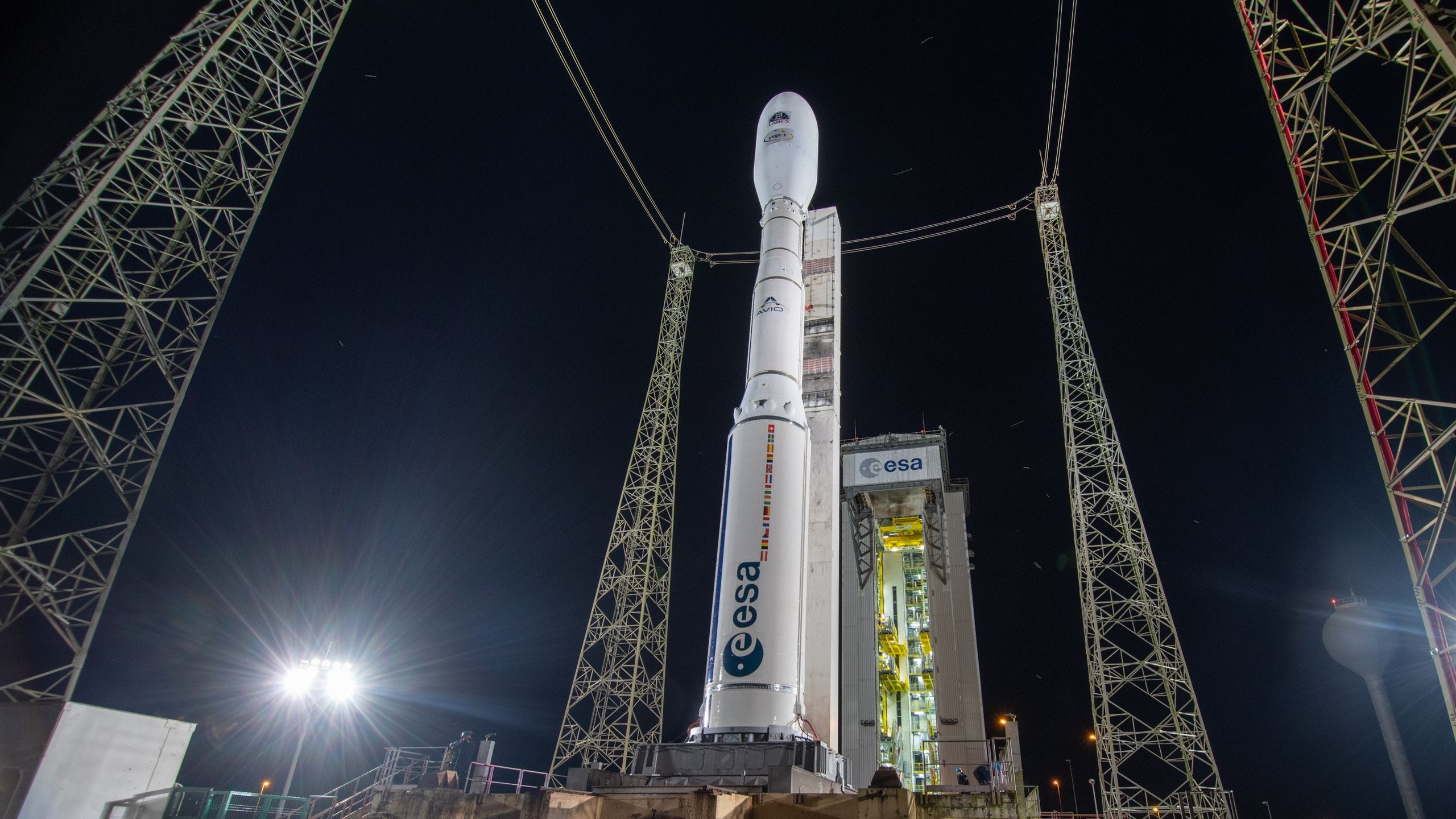
Europe’s ability to act autonomously in space rests on a broad industrial base spanning launch systems, satellites, critical components, and downstream services. This research finds five key strengths of the European space industrial ecosystem. First, Europe has established independent access to space through its launch vehicles Ariane and Vega, reducing reliance on foreign launchers[1][2]. Second, European industry leads in sophisticated satellite systems – for example, the Galileo navigation constellation and Copernicus Earth observation program – which are recognized worldwide for high performance and support Europe’s strategic autonomy[3][4]. Third, Europe possesses niche technological excellence in areas like atomic clocks, optical instruments, and satellite propulsion; European-built payloads (e.g. Galileo’s ultra-precise clocks) and sensors set global benchmarks[5][6]. Fourth, a vibrant cohort of innovative small and mid-sized companies (SMEs) has emerged, contributing agility and novel solutions in launch services, small satellites, and downstream applications. Fifth, robust institutional support – including EU programs (€14.88 billion under the 2021–2027 space budget[7]) and coordinated investments by ESA and national agencies – underpins this industrial base, aligning it with Europe’s policy goals for security, climate, and digital transition[8][9].