

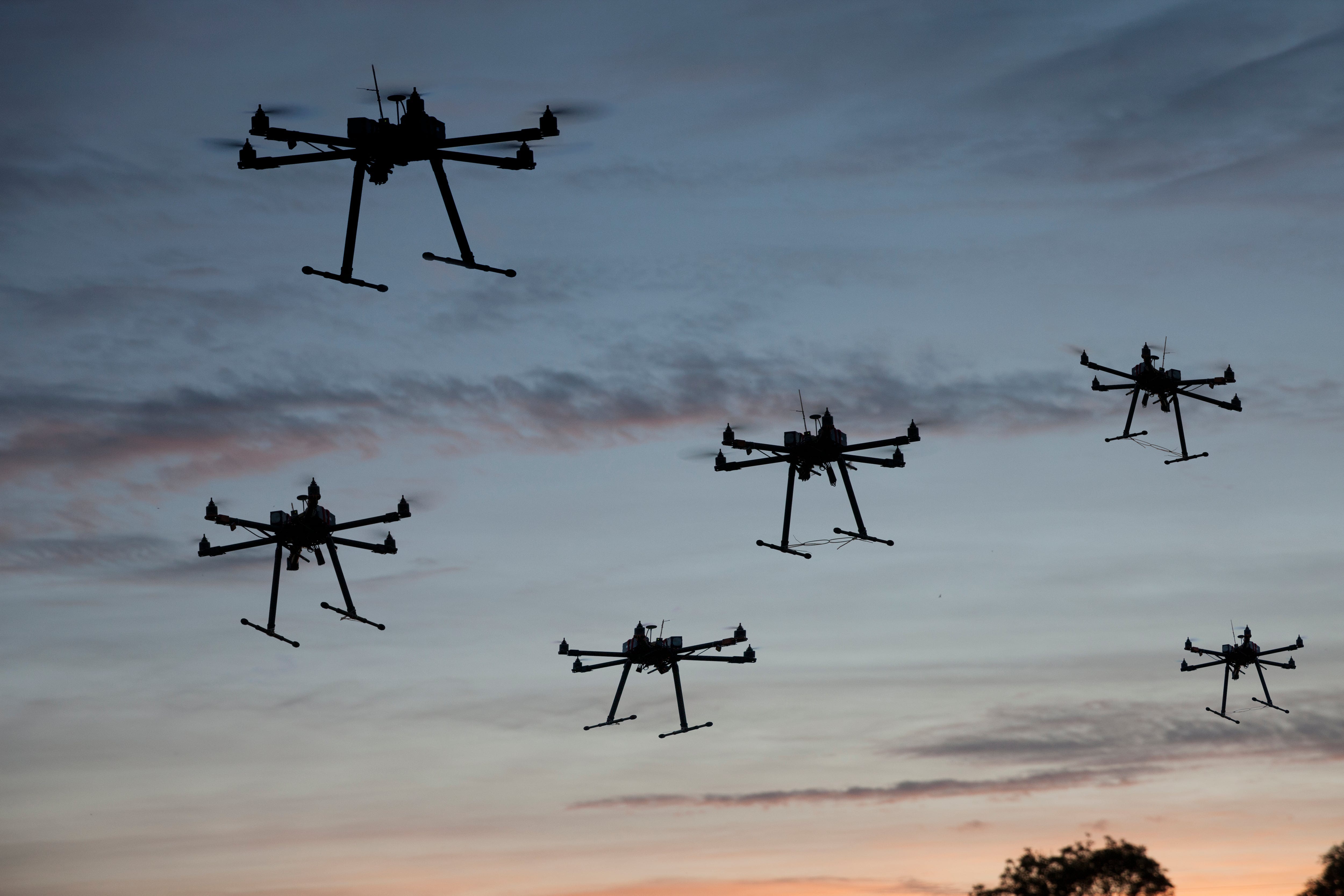
Russia’s persistent drone incursions are designed less to cause physical damage than to probe the cohesion and endurance of Western defense. Each low-cost drone launched by Moscow forces NATO states to mobilize expensive missiles or fighter sorties, reinforcing a cost-exchange imbalance that risks undermining the sustainability of European defense commitments. The challenge is no longer only technical—interceptors can be built—but fundamentally economic and political. Unless Europe fields affordable counter-UAS systems that can restore cost parity, parliaments and publics will increasingly question the logic of devoting millions to neutralize threats worth a fraction of that amount.
To address this asymmetry, we have carried out a structured mapping of European companies and technologies capable of delivering low-cost C-UAS solutions. Particular attention has been given to mid-cap firms—the backbone of Europe’s defense industrial base—that develop critical sensors, effectors, and integration platforms. Alongside them, specialized small companies and startups provide essential subsystems, from programmable fuzes to AI-driven perception software, while primes incorporate these capabilities into layered architectures. The mapping spans soft-kill electronic measures, hard-kill interceptors, and directed-energy technologies, highlighting where Europe possesses independent capacity and where dependencies remain.
This industrial mapping, aligned with the broader database Defence Finance Monitor is building, provides a valuable reference for investors, policymakers, and prime contractors. It links the strategic imperative of affordable defense with concrete industrial pathways, ensuring that Europe can both deter and defend against drone threats without eroding the political and financial foundations of its security.