

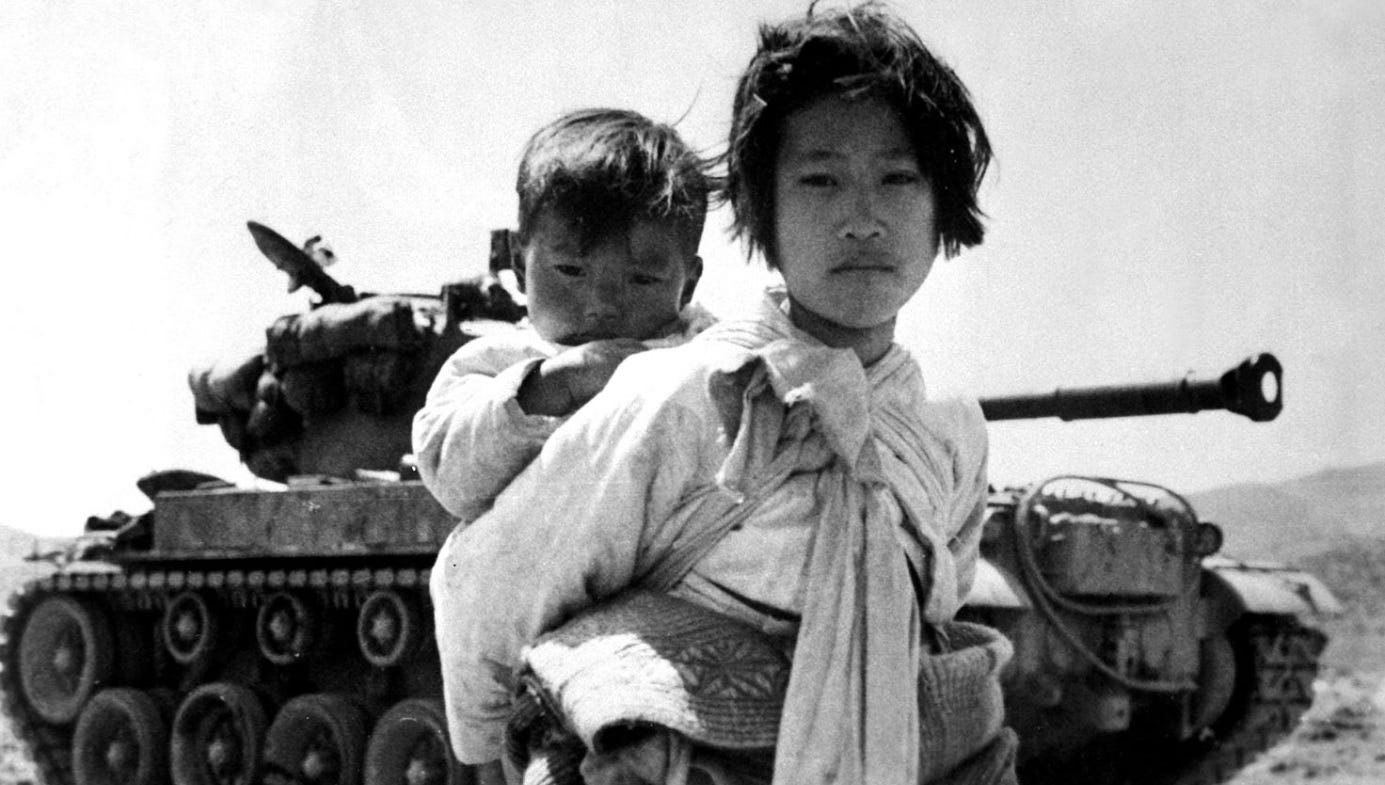
One of the most significant interpretive issues of the Cold War concerns the nature of peripheral conflicts that marked the post-1945 international order. The label of “proxy wars” has become conventional to describe conflicts such as Korea, Vietnam, the Middle East, and Afghanistan. According to this view, the superpowers deliberately used local theatres as indirect instruments to test one another’s strength while avoiding direct confrontation. Yet this perspective risks oversimplifying historical dynamics that were in fact more complex. In many cases, it was local logics—national rivalries, decolonization struggles, territorial disputes, ideological divisions—that triggered the outbreak of war, dragging the superpowers into conflicts they had not planned. Only afterwards did the confrontation between Washington and Moscow provide a strategic framework and amplify their significance. Rather than stages managed from above by the superpowers, these wars were conflicts whose origins lay in local agency. The more accurate image is that of the tail wagging the dog: regional conflicts dictating the rhythm of global rivalry, forcing great powers to engage lest they risk a loss of credibility.