

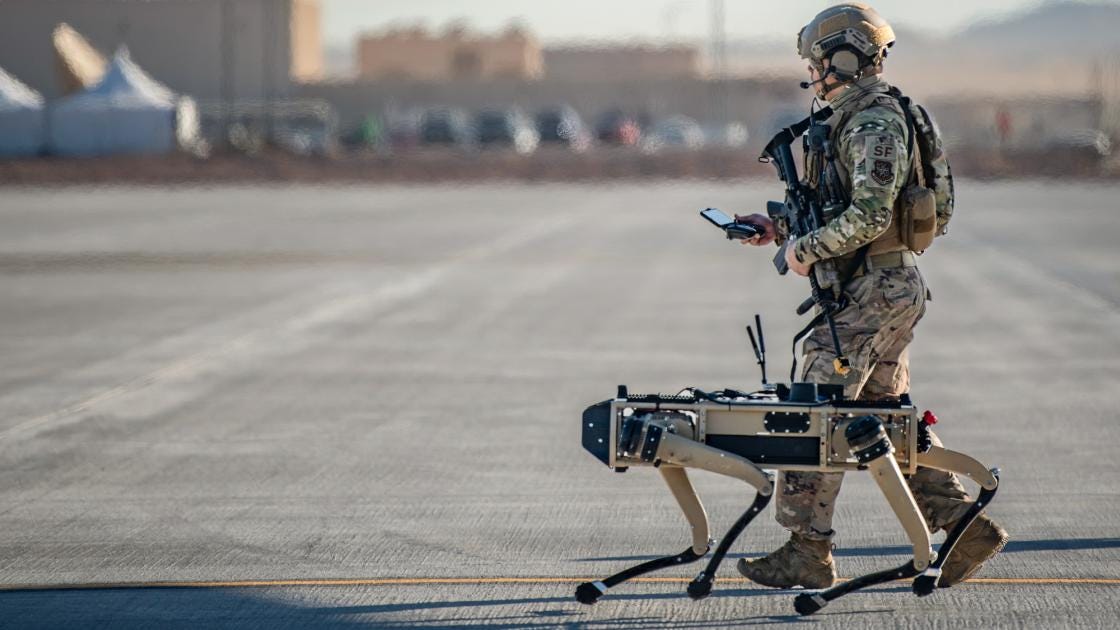
Autonomous weapons are no longer confined to science fiction — they are entering procurement pipelines and reshaping the defence industry. These systems, often described as “killer robots,” are designed to identify and strike targets without direct human control, raising unprecedented ethical, legal, and strategic dilemmas. Beyond the moral debate, however, lies a new political economy of warfare, where artificial intelligence, robotics, and data-driven targeting create markets with enormous growth potential. Governments see these technologies as tools to reduce casualties and increase battlefield efficiency, while contractors regard them as profitable commodities in a fast-expanding sector. For institutional investors, this creates a dual reality: high-value opportunities intertwined with reputational and regulatory risks. The arrival of lethal autonomous weapons signals not only a technological revolution but also a financial one, where automation becomes the driver of both strategic power and capital accumulation. Automated warfare is not the future — it is the emerging reality of twenty-first-century defence finance.