
Italy’s industrial landscape is undergoing a significant transformation with strategic implications for both the defence sector and the broader European mobility market. The separation of Iveco Group into two distinct components—defence and commercial—culminated in an unprecedented double acquisition: the defence division acquired by Leonardo, and the commercial vehicles business taken over by Tata Motors. This dual transaction marks a pivotal moment for Italian industrial policy, raising questions about national control of strategic capabilities, foreign investment governance, and the future of Italy’s land systems sector. The move comes amid growing attention across Europe to defence industrial consolidation and the reshoring of critical assets, particularly in light of the Ukraine war and broader geopolitical realignments.
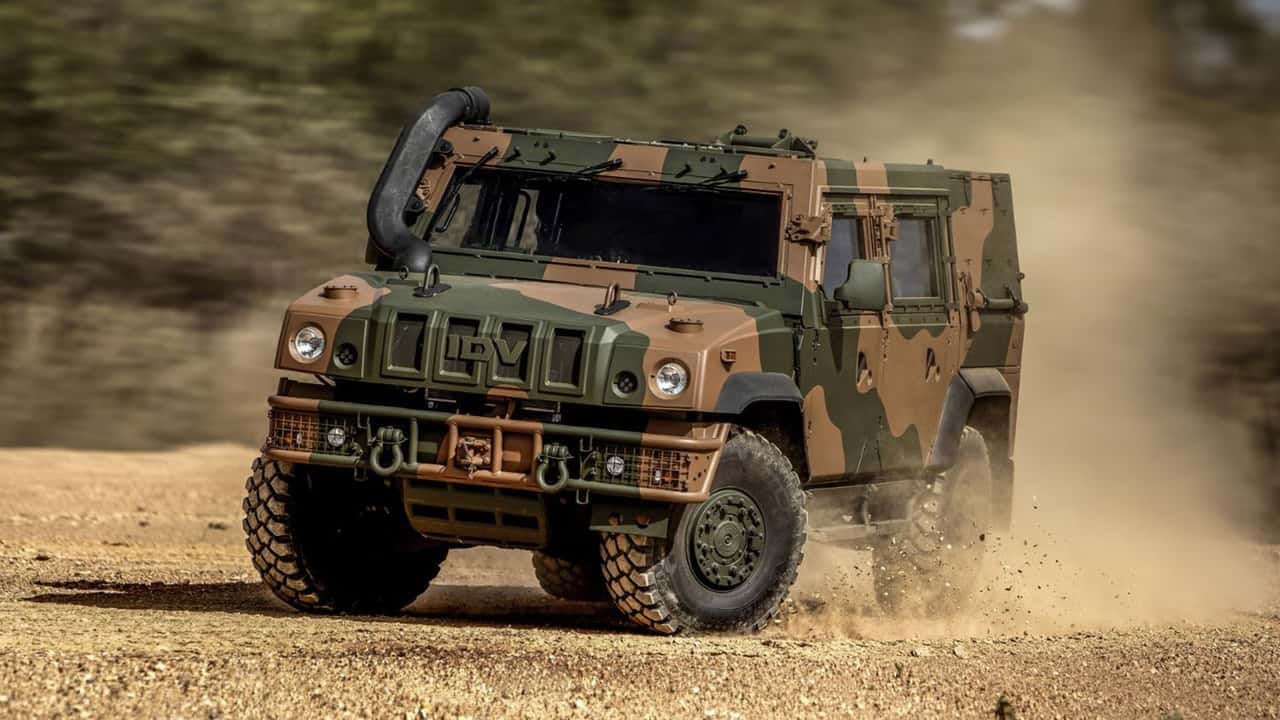
As reported by Reuters on July 31, 2025, Tata Motors has acquired the commercial vehicle segment of Iveco for €3.8 billion, while Leonardo has taken over Iveco Defence Vehicles (IDV) at an enterprise value of €1.7 billion. The deal triggered a 6% drop in Iveco's share price on the Milan stock exchange, despite Tata launching an all-cash tender offer at €14.10 per share. Deutsche Bank commented that the offer represents a moderate premium of 3–6% over the previous day’s closing price. The Italian government welcomed the deals as examples of high-quality foreign investment, but signalled it would monitor the situation to ensure protection of jobs, technology chains, and national interests. Trade unions, particularly FIOM and UILM, criticised the lack of consultation and voiced concerns about potential layoffs and plant closures.
The division of Iveco reflects diverging industrial logics between defence and commercial vehicle markets. Tata’s acquisition reinforces its position as a global player in heavy transportation and logistics vehicles, with potential synergies in electric and autonomous trucks. Leonardo’s purchase of IDV, on the other hand, aligns with a wider strategic goal to consolidate national control over land-based military platforms. By internalising production of armoured vehicles, troop transporters, and protected mobility solutions, Leonardo strengthens its capacity to offer integrated land systems to NATO and EU customers. This move also positions the company to better compete with European peers such as Rheinmetall, KNDS, and Patria. The industrial integration of IDV could facilitate economies of scale, unified R&D pipelines, and streamlined procurement responses to Italian and allied requirements.
This strategic realignment also reflects a broader European trend towards defence sector consolidation. With increasing pressure to meet NATO spending benchmarks and to reinforce European defence autonomy, governments are prioritising national champions with the scale and coordination capacity to compete globally. The integration of IDV into Leonardo’s structure echoes similar moves in Germany, France, and the Nordics. Moreover, the Italian Ministry of Defence is expected to ramp up procurement in protected mobility, logistics, and counter-IED platforms—areas where Leonardo, through IDV, will now have a stronger footprint. However, successful integration will depend on managing cultural differences, rationalising product lines, and retaining key engineering and manufacturing competences during the transition.
The acquisition also has implications for European defence industrial cooperation. As EU-level initiatives such as the European Defence Fund and the Strategic Compass promote cross-border interoperability, Leonardo’s expanded land systems division may serve as a platform for multinational projects. Potential collaborations could emerge with Hungary, Poland, and other countries seeking to modernise their land forces with European solutions. At the same time, tensions may arise with companies like KNDS or Rheinmetall, as competitive dynamics shift. The success of the IDV integration will likely depend on Leonardo’s ability to balance national priorities with international partnerships, leveraging its expanded portfolio to secure long-term export contracts and collaborative R&D programmes.
From a governance perspective, the deal raises questions about transparency and stakeholder inclusion. The unions’ protest over the lack of consultation reflects persistent concerns about industrial policy decision-making in Italy. Although government officials framed the transactions as positive, political attention will remain high, especially if employment levels or regional production capacities are affected. The outcome of upcoming meetings between the Ministry of Industry, trade unions, and company representatives will be closely watched. The broader lesson is that asset reallocation in strategic sectors cannot be treated solely as financial transactions; they require political legitimacy, social responsibility, and alignment with national strategic objectives.
Ultimately, the dual acquisition of Iveco’s components by Tata and Leonardo is not just an industrial reorganisation—it represents a strategic realignment in Italy’s posture towards both defence sovereignty and global industrial integration. Leonardo strengthens its capacity to respond to growing demand for land-based defence solutions, while Tata gains access to European market channels and technology assets. The transaction may prove a catalyst for further industrial concentration in Italy’s defence sector, reshaping the competitive landscape in Europe. Whether this shift reinforces or weakens national capabilities will depend on the coherence of future policy choices and the quality of execution in the months ahead.