

As public funding for defense, space, and dual-use technologies expands across Europe and allied democracies, a growing number of companies are gaining prominence on geopolitical grounds. But does this translate into financial value? Can a company that plays a critical role in national security or technological sovereignty also generate consistent returns for long-term investors? Or are we confusing policy-driven importance with scalable business fundamentals? This article explores when and how strategic relevance converges with true financial performance—and why understanding that distinction is essential for building resilient portfolios in an era of systemic transformation.
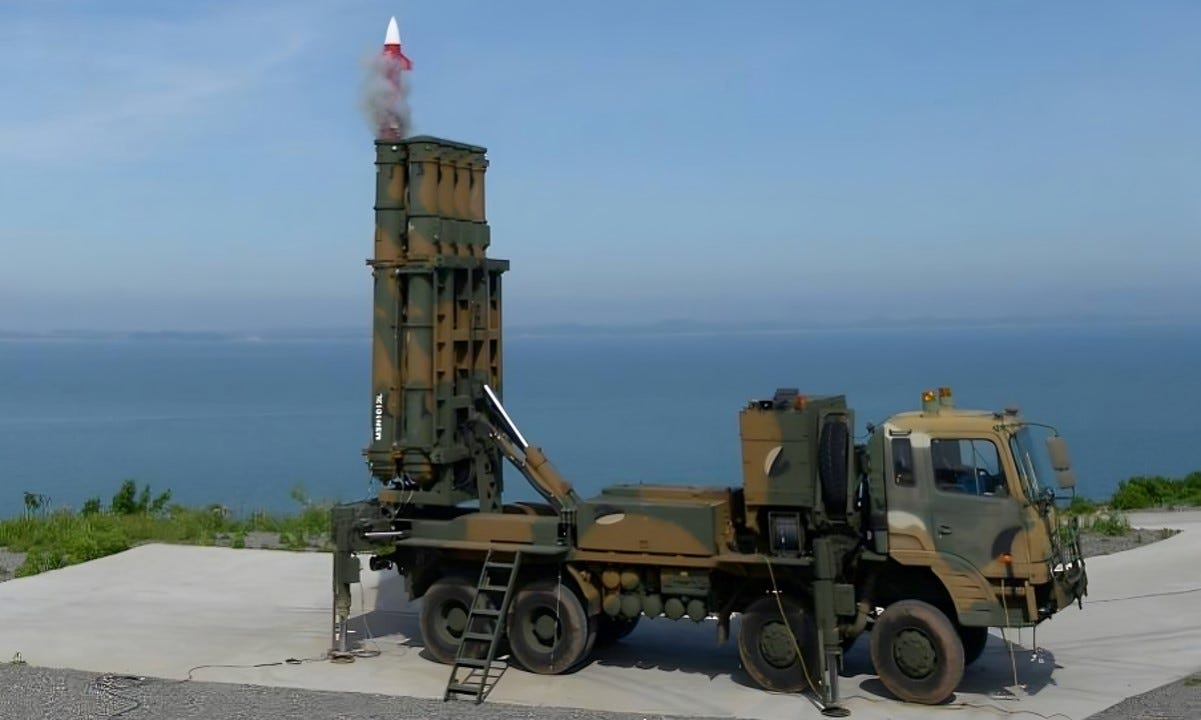
South Korea's Cheongung-3: Strategic Competition and Air Defense Modernization
South Korea’s air defense architecture is undergoing a significant transformation, driven by the strategic imperatives posed by regional threats and technological innovation. The advancement of missile capabilities in North Korea, combined with broader regional tensions involving China and the Indo-Pacific, has prompted Seoul to accelerate the development of a multi-layered, domestically anchored air defense system. Within this framework, the Cheongung-3 program represents a major milestone. Positioned as a next-generation solution to safeguard critical infrastructure and population centers, it reflects South Korea’s ambition to reduce reliance on foreign systems while consolidating national industrial capabilities. The competition between major defense contractors to secure roles in this program also reveals the evolving dynamics of the country’s military-industrial complex, which is increasingly influenced by export potential, integration with allied systems, and internal technological maturity.
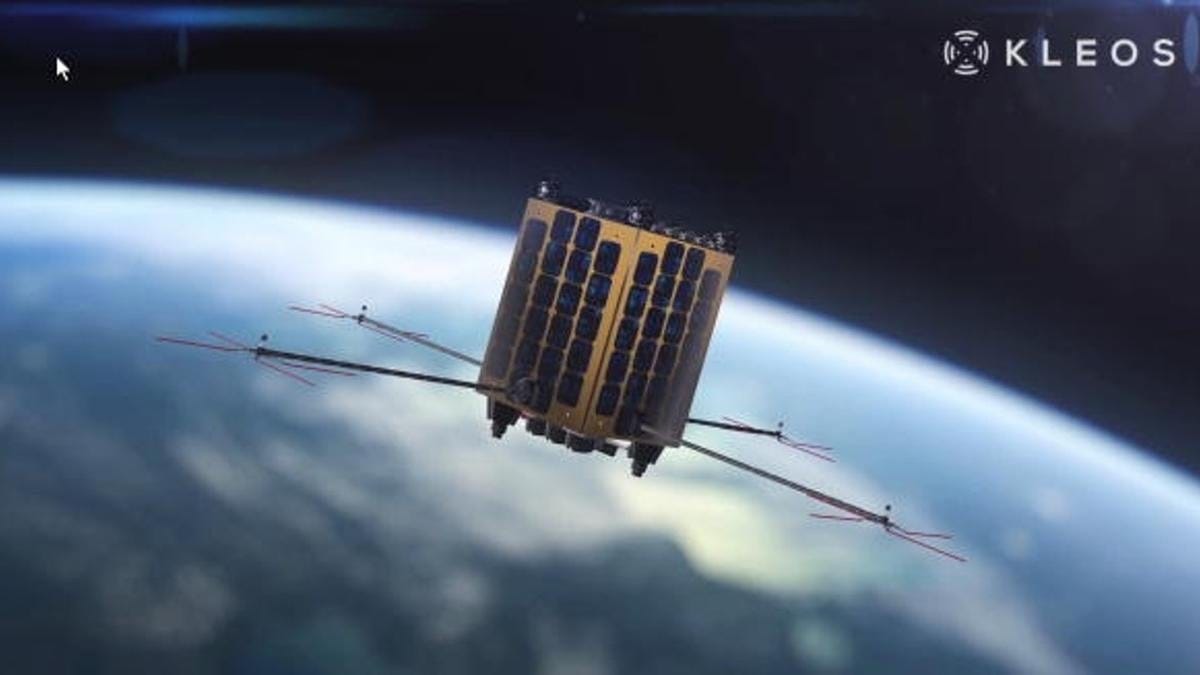
Kleos Space: Strategic-Technological Analysis
Kleos Space S.A. is a Luxembourg-based startup that has swiftly become a noteworthy player in Europe’s drive for strategic autonomy in defense technology. Founded in 2017 amid Luxembourg’s ambitious space-sector expansion, the company operates a constellation of small satellites to collect radio-frequency (RF) signals from orbit. By geolocating RF transmissions from ships and illicit actors “running dark” (for example, vessels that disable their Automatic Identification System), Kleos delivers actionable geospatial intelligence to uncover hidden activities at sea and on land. This novel data-as-a-service approach augments traditional imagery and surveillance, proving especially useful when optical or radar satellites are thwarted by weather, distance, or deliberate obfuscation. As European institutions and NATO allies seek to bolster multi-domain situational awareness and reduce reliance on non-European suppliers, Kleos exemplifies the innovative edge of Europe’s New Space ecosystem. By providing European governments and partners with an independent source of maritime domain awareness and signals intelligence, this small company is helping strengthen collective defense, deterrence, and supply chain resilience in line with EU and NATO strategic priorities. The analysis below examines Kleos Space’s corporate structure, technology portfolio, and strategic contributions to European defense autonomy in detail.
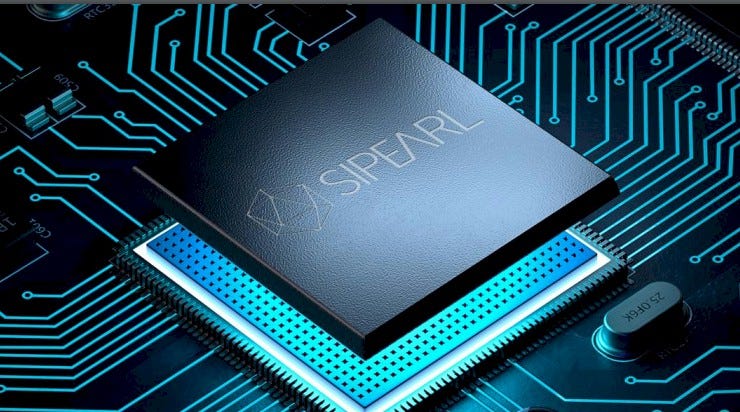
SiPearl: European High-Performance Processor Driving Strategic Autonomy
European leaders have long dreamed of creating a home-grown microprocessor to free the continent’s supercomputers from reliance on foreign technology. That vision is now coming to life in France, where startup SiPearl is designing the brains for Europe’s next-generation exascale supercomputers. SiPearl’s first chip, code-named Rhea, promises to deliver world-class high-performance computing (HPC) power without the hidden “backdoors” or kill-switches that European officials fear may lurk in imported hardware. Born from a pan-European initiative, this young company has quickly become a linchpin in Europe’s technological sovereignty efforts. SiPearl’s processors are poised to anchor critical systems in climate modeling, artificial intelligence, and even defense simulations – all with energy efficiency and security at the forefront. The following analysis explores how SiPearl’s technology and strategy contribute to European strategic autonomy, enhanced deterrence, and a stronger transatlantic defense posture.
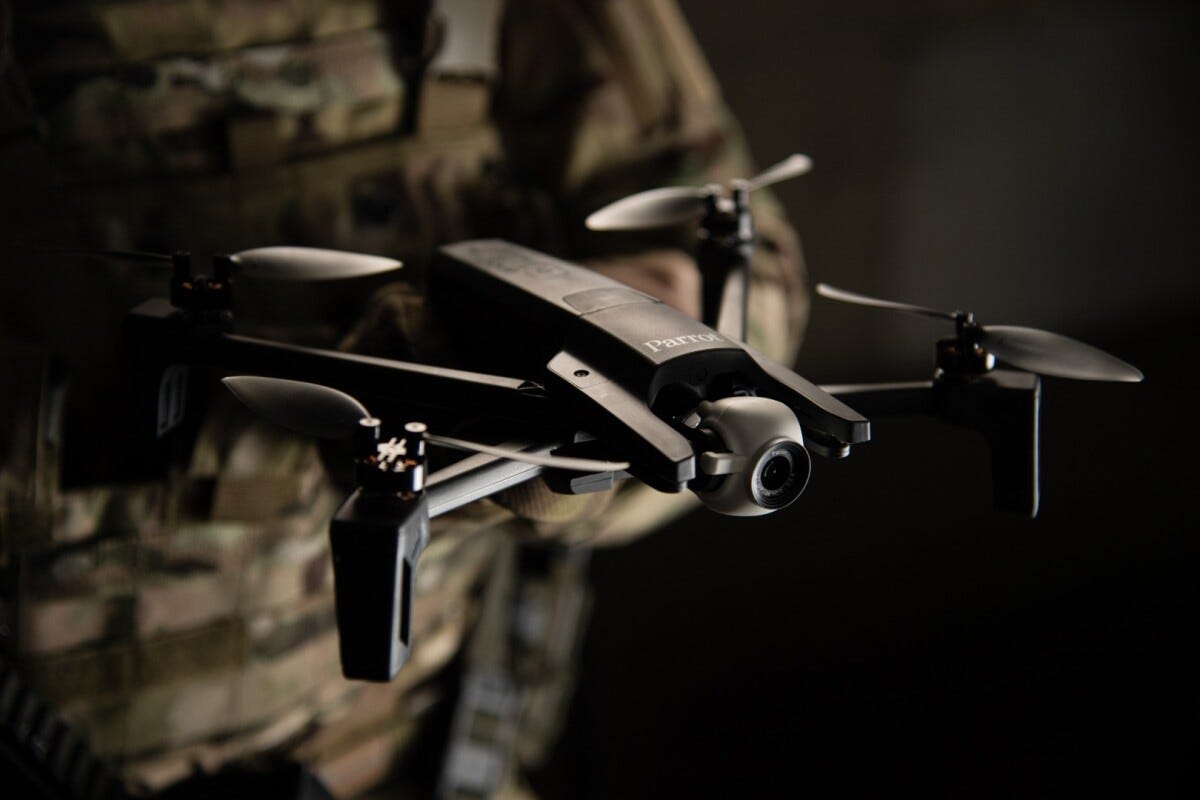
Parrot: Strategic-Technological Analysis (France)
Parrot is a trailblazer in Europe’s drone industry, transforming from a consumer gadget maker into a strategic asset for defense and security. Founded in France in 1994, this company has steadily built a reputation as Europe’s answer to the dominance of foreign (especially Chinese) drone suppliers. Today, Parrot’s lightweight unmanned aerial systems are not just high-tech toys – they are dual-use platforms trusted by armed forces and government agencies on both sides of the Atlantic. With its headquarters and R&D in Paris, Parrot blends civilian innovation (like smartphone-grade sensors and open software) with military-grade robustness and cybersecurity. The result is a family of micro-drones that can be deployed in under a minute, provide day/night tactical surveillance, and meet stringent European privacy and security standards. As EU nations push for technological sovereignty in critical sectors, Parrot stands out by offering home-grown drone capabilities that strengthen Europe’s strategic autonomy and reduce reliance on non-allied suppliers. It’s a compelling story of a European tech company adapting to geopolitical needs – one that is drawing interest from NATO militaries and defense planners alike.