

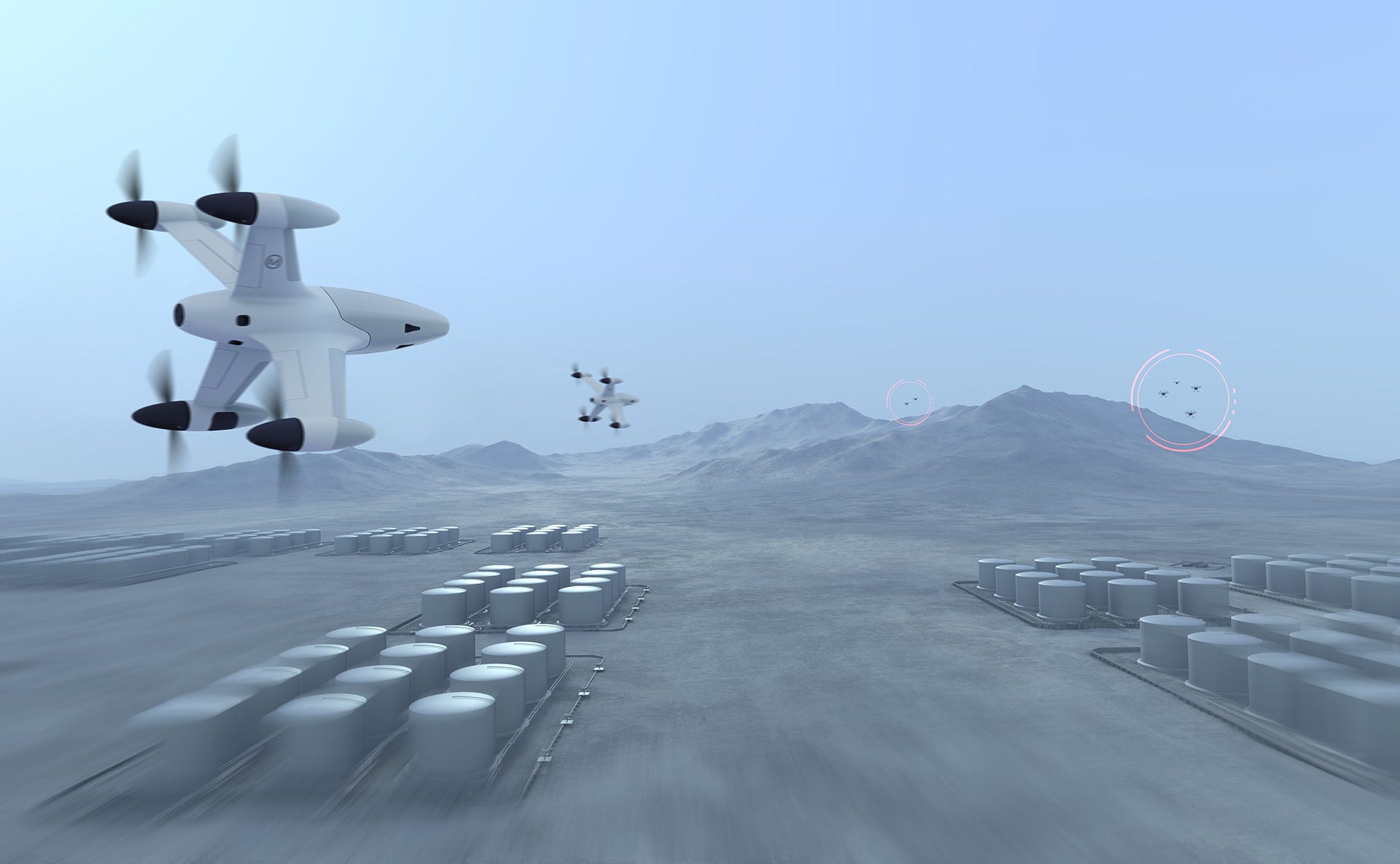
Across Europe, the rapid proliferation of unmanned aerial systems has forced a structural rethinking of air and territorial defence. What was once an emerging technical concern has become a strategic priority, as drones—cheap, adaptive, and often autonomous—are reshaping the balance between offence and defence in modern warfare. The European Commission’s Defence Readiness Roadmap 2030 situates this challenge at the centre of a broader transformation, linking technological innovation, industrial policy, and security integration. Within this framework, the European Drone Defence Initiative (EDDI) stands out as the most tangible expression of a new operational philosophy: a networked, multi-layered system of sensors, software, and effectors designed to protect European airspace against evolving drone threats. Rather than building a static “drone wall,” the EU aims to connect national capabilities—radars, jammers, interceptor drones, and command systems—into a coherent architecture aligned with NATO standards. The initiative reflects both strategic urgency and industrial ambition: it is as much about safeguarding European skies as it is about consolidating a continental defence-industrial base capable of scaling, innovating, and responding at the tempo of technological change.