

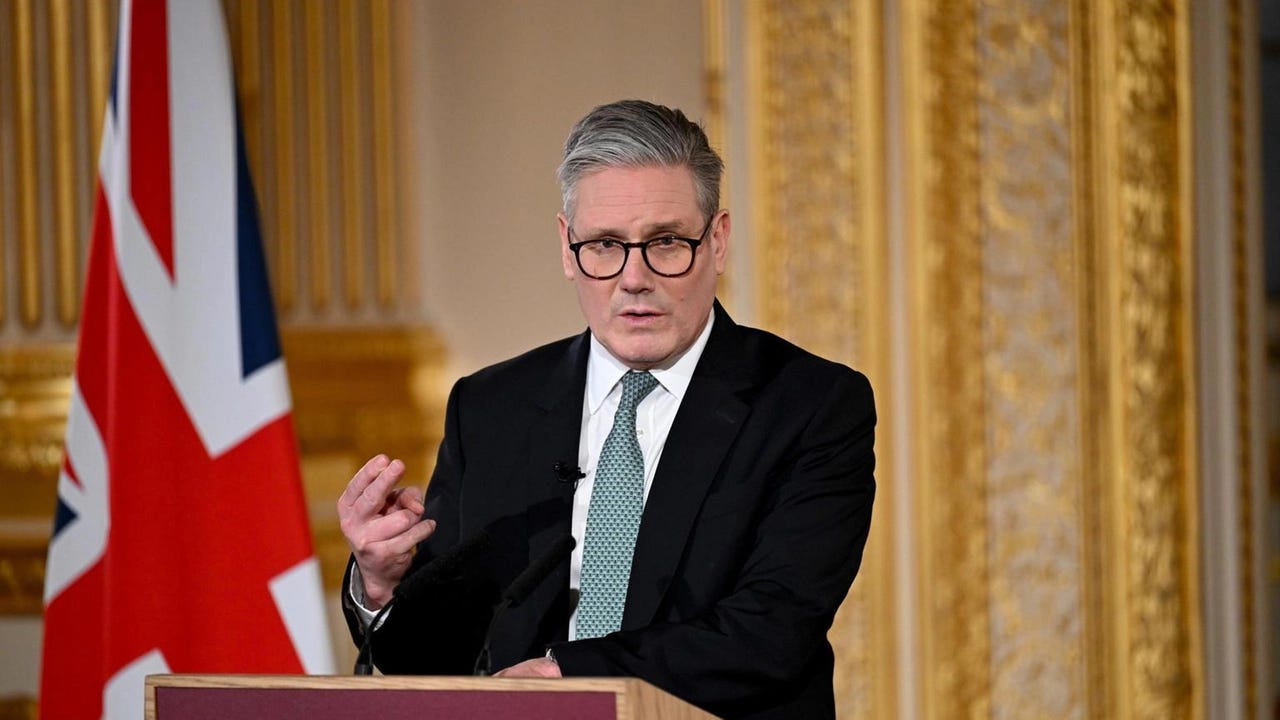
Prime Minister Keir Starmer (who took office after the 2024 election) has pledged a “defence dividend” to the British public, vowing to raise spending to 2.5% of GDP by 2027 – the UK’s highest level since the Cold War. Marking VE Day’s 80th anniversary, Starmer cast the uptick as a boon for jobs and industry, announcing a £563 million contract for Rolls-Royce to service RAF Typhoon jets as a tangible example. He argues higher military outlays can “rebuild our industrial base” while strengthening security. This stance reflects rare cross-party consensus: even amid domestic fiscal pressures, Britain’s leadership (both Labour and Conservative) sees more defence spending as vital given U.S. signals that Europe must bear more of its defence burden. The UK is already one of Europe’s top spenders; hitting 2.5% by 2027 (and a longer-term 3% goal) will further cement that position. Importantly, the “defence dividend” messaging suggests a policy shift – treating defence not just as expenditure but as an investment in high-tech manufacturing, innovation, and regional employment. Internationally, the UK’s commitment shores up NATO and may nudge others to follow suit in exceeding the 2% benchmark.